
Are snails and slugs the same thing?
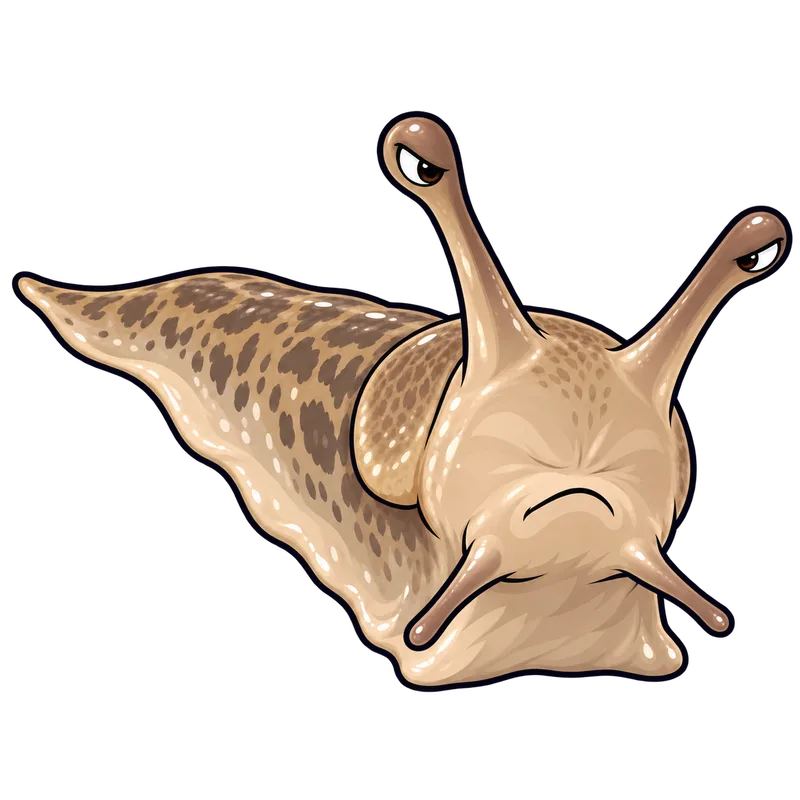
Snails and slugs are not the exact same thing, though they are close relatives with remarkably similar habits. Snails carry a hard, calcium-rich, spirally coiled external shell large enough to enclose their entire body, whereas slugs are gastropods whose shells have been lost, reduced to small granules, or internalized.
What is actually going on
You walk out to the garden early on a damp Tuesday morning, coffee cup in hand, and notice your prized hostas look like they ran through a paper shredder. Right next to the shredded leaves, a glistening, silvery slime trail traces a path across the soil. You spot the culprit clinging to the underside of a planter, but your neighbor calls it a snail while your gardening book calls it a slug, and now you wonder if you are dealing with two entirely different pests or just one creature with a shifting identity.
To answer the question plainly, snails and slugs are not the exact same thing, but they are close relatives with remarkably similar habits. Both creatures belong to the biological class Gastropoda within the phylum Mollusca. They share the same soft bodies, the same nocturnal lifestyles, and the exact same appetite for your tender garden greens. From an evolutionary perspective, slugs are gastropods whose shell has been lost, reduced to small internal granules, or internalized into a small plate, whereas snails retain an external, calcium-rich, spirally coiled shell large enough to enclose their entire body.
The main difference between them comes down to architectural baggage. A snail carries a hard, coiled external shell wherever it goes, much like a traveler hauling a rigid motorhome on its back. A slug travels light. It has no visible external shell, though some species retain a tiny, hidden remnant tucked away beneath their skin. A popular misconception claims that slugs are just young snails that have not grown their shells yet, but that is false. A slug never grows an external shell no matter how old it gets, and a baby snail hatches from its egg with a miniature shell already in place.
Because neither creature wears heavy armor that traps moisture effectively, both are prone to drying out in the sun. This shared vulnerability means they spend the bright daylight hours hiding out of sight under damp rocks, fallen logs, or overturned flower pots. When evening rolls around, they emerge from their cool retreats to feed on your plants using a specialized mouthpart that acts like a microscopic file. Both organisms inflict identical plant injury by scraping foliage, stems, flowers, and low-hanging fruit.
How to tell for sure
Telling them apart usually takes nothing more than a quick look with the naked eye. If the pest is hauling a hard, spiral shell on its back that it can squeeze entirely inside when threatened, you are usually looking at a snail. If it is an elongated, soft-bodied creature sliding along without any hard covering on its back, you usually have a slug. Examining leaf undersides or small juvenile specimens with a 10x hand lens allows detection of tiny newly hatched individuals and morphological features on the mantle.
You can also look for the calling cards they leave behind in the landscape. Both snails and slugs produce thick mucus that dries into a shiny, silvery trail across leaves, paving stones, and soil. The damage they inflict on plants usually appears as large, ragged holes chewed into leaf margins or low-hanging fruit, rather than the tiny pinprick punctures caused by insects with chewing mouthparts.
When you need to clear away barriers, do not rely on common garden myths like diatomaceous earth for outdoor control. Popular garden claims frequently recommend it as an abrasive dust, but university evaluations demonstrate that its particle abrasion requires completely dry conditions. In outdoor settings or humid climates, ambient moisture invalidates the material, rendering it ineffective at killing or repelling mollusks.
What usually comes next
Once you confirm you are dealing with a snail or slug problem, your best immediate move is disrupting their daytime hiding spots through basic cleanup and simple physical removal. Chemical baits have a role to play, but clearing away their shady, damp shelters stops the trouble right at the root.
Take a walk around your garden beds and clean up thick leaf piles, discarded weeds, stray lumber, and rocks where these moisture-loving pests spend their afternoons. Without a dark, humid place to dodge the drying sun, many of these creatures simply cannot survive out in the open. You can also set up low-tech traps by laying down hollowed-out citrus peels, overturned melon rinds, or flat boards on damp soil when evening approaches. Check those spots every single morning, and drop any hidden snails or slugs you find into a bucket of soapy water or a jar of seventy percent rubbing alcohol.
If you prefer a hands-on approach, you can step outside after dark with a flashlight and pick them right off your plant leaves by hand. When you decide to use store-bought bait pellets, the rules say you need to water the soil lightly in the afternoon and then scatter the granules thinly and evenly as evening falls. Never dump bait in messy piles, and keep the sprinklers off for at least twenty-four hours after putting it down. Iron phosphate baits work as a stomach poison that stops them from eating right away, and they usually die in three to five days while remaining mostly safe for pets and wildlife. On the other hand, metaldehyde bait is very dangerous and toxic to dogs, cats, and birds, so you must spread it strictly on the bare soil according to the label directions and keep it completely away from edible plant parts.
When to get help
Most backyard battles with snails and slugs respond just fine to basic cleanup and careful baiting, but some situations really call for outside backup. If you choose to use synthetic chemical baits, remember that products made with metaldehyde can poison dogs, cats, and local wildlife quite easily. If a pet accidentally eats metaldehyde, get to an emergency veterinary clinic or call a poison control center right away without waiting around. On top of that, mesurol baits are strictly forbidden for use around any food crops you plan to eat because of chemical residue risks.
You should also bring in a professional when you are facing heavy crop damage, significant nursery losses, or an enormous invasion of unusually large or strange-looking snails and slugs. In those instances, reach out to your local university agricultural extension office or your state department of agriculture. They can sort out the exact identification, check for regulated quarantine pests, and guide you on the right rules for your property.