
Are slugs good for a garden?
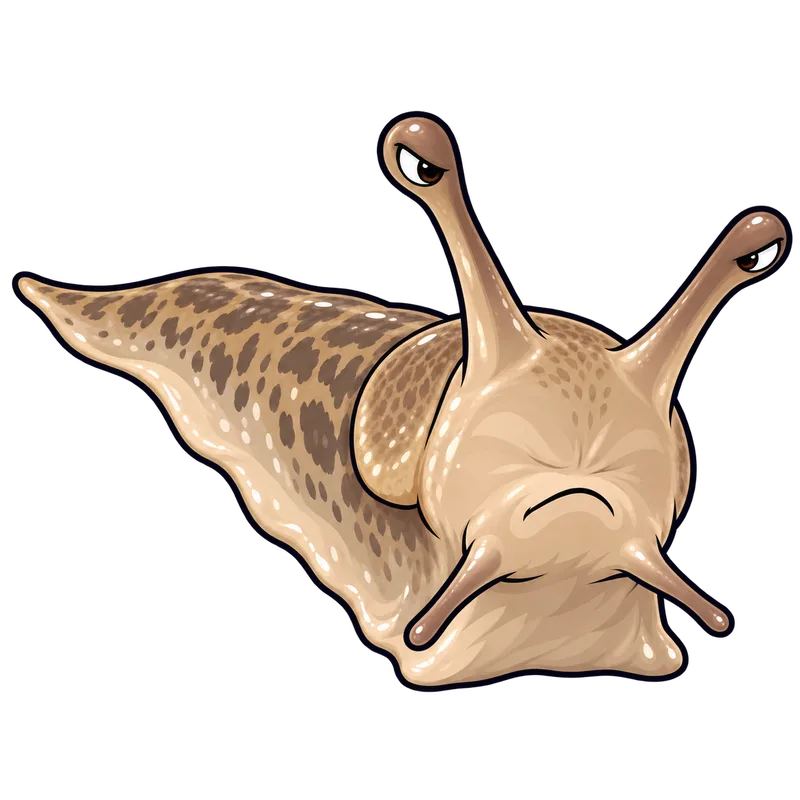
No, terrestrial slugs are not good for a garden because agricultural extension services and university horticulture departments classify them strictly as destructive herbivorous pests. Instead of helping the soil, these soft-bodied creatures chew ragged holes in foliage, sever young stems, feed on roots, and ruin ripening fruit.
What is actually going on
You walk out to the garden with your morning coffee, kneel down to check the prize strawberries, and find that someone ran a miniature hole-puncher through the leaves and left your ripening fruit looking like Swiss cheese. When you flip a damp paver stone nearby, you spot the slimy culprit glistening in the shade. Naturally, you wonder if these soft-bodied visitors are doing anything useful out there in the soil, perhaps breaking down mulch or helping the ecosystem along.
The short answer is no. Agricultural extension services and university horticulture departments classify terrestrial slugs strictly as destructive herbivorous pests, not garden helpers. While general ecology books sometimes mention that various gastropods participate in decaying organic matter, your home vegetable plot or ornamental flower bed receives no such favor. Slugs chew ragged, irregular holes in foliage, sever young stems right at the soil line, feed on roots, and ruin ripening fruit sitting near the ground.
You might object that every creature must have some redeeming ecological value, especially given how common they are in damp landscapes. The reality is that their feeding habits outpace any minor role they might play in general decomposition. When populations surge in damp weather, they do not aerate soil or enrich your beds. They simply defoliate your snapdragons, ruin your strawberries, and turn your prize seedlings into a midnight buffet.
Management therefore focuses on suppression rather than conservation. Keeping your plants healthy means treating these pests for what they are: hungry herbivores that require active oversight whenever their numbers threaten your harvest. Rather than hoping they will stick to decaying leaves, you have to manage the environment and step in when damage starts piling up.
How to tell for sure
Spotting the damage is usually straightforward, even if you rarely see the creature doing the work during daylight hours. You will usually notice smooth-edged, irregular holes chewed in leaves, rasped surfaces on low-hanging fruit, and the unmistakable silvery mucous trail left behind on the soil or nearby hardscaping.
When you want to confirm who is living under your mulch, you usually have to look during their preferred shift. Slugs are nocturnal, soft-bodied, legless creatures that seek out cool, dark, damp microhabitats when the sun comes up. Turning over old boards, loose rocks, asphalt shingles, or heavy leaf litter usually reveals them huddled together in the dampness.
Distinguishing casual damage from a heavy infestation usually comes down to frequency and scale. A stray nibble here and there might be harmless wildlife, but daily defoliation and severed stems point squarely to a growing slug population. You can usually inspect rasping damage more closely with a magnifying glass if you want to see the tiny rasping marks left by their mouthparts, though home inspection usually stops at recognizing the general slime and chewing pattern.
If you need a definitive species-level identification between native gastropods and invasive agricultural pests, home inspection usually falls short. Visual observation cannot reliably separate harmless species from regulated invaders, as confirming exact species usually requires preserved specimens and specialized laboratory dissection. For everyday gardening purposes, however, exact species identification usually matters less than recognizing the damage pattern and knowing how to respond.
What usually comes next
When you decide to tackle a slug problem, your most practical decision centers on choosing a control method that protects your harvest without endangering household pets or local wildlife. Many gardeners reach for chemical baits or home remedies without considering how those products interact with weather and local fauna, which often leads to wasted effort or accidental poisoning.
Your best path forward usually involves a targeted bait containing iron phosphate, especially if you grow edible crops like strawberries and vegetables. Unlike harsh synthetic alternatives, iron phosphate acts as an immediate appetite switch that stops slugs from feeding right away, though they usually crawl underground and die three to five days later. It carries a zero-hour re-entry interval, breaks down safely into the soil, and poses very low toxicity to dogs, cats, and backyard wildlife.
Making this choice work requires getting the application steps right. You should irrigate the garden before you apply the bait, which draws the pests out from their daytime hiding spots. Once the soil is damp, scatter the bait granules thinly and evenly across the ground, treating it like feeding birds rather than piling it in mounds. Piling bait is a common mistake that creates a dangerous concentration for curious dogs while leaving the rest of your garden unprotected.
You also need to keep the bait dry for twenty-four to forty-eight hours after spreading it, meaning you should avoid overhead watering or timing your application right before a heavy rain. Along with baiting, your practical decision should include cleaning up daytime hiding spots like heavy mulch near plant crowns and modifying your watering schedule so you irrigate early in the morning rather than at night, letting the soil surface dry out before the slugs wake up for their evening forage.
When to get help
Most home garden slug problems yield to basic habitat changes and targeted mineral baits, but certain situations require outside intervention. You should contact an emergency veterinarian or poison control immediately if a pet or domestic animal ingests metaldehyde or methiocarb baits, as these specific chemical formulations cause acute neurological symptoms, muscle tremors, seizures, and rapid death.
Commercial growers, greenhouse operators, and large nursery managers facing overwhelming infestations should consult a licensed pesticide applicator or a local university extension specialist. Large-scale agricultural pressures require professional guidance to ensure proper product rotation, legal compliance, and safe handling of restricted active ingredients that do not belong in backyard plots.
If you suspect you have encountered a regulated invasive agricultural pest or a biosecurity threat that falls outside ordinary home gardening nuisances, you should contact your state department of agriculture or local extension office. These agencies can properly identify preserved specimens and provide authorized containment guidance when unusual gastropod species threaten local agriculture or native ecosystems.