Skip to content
The Pest Guide logo: an orange ant behind a magnifying glass The PestGuide

Thrips

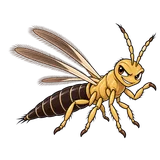
Stylized illustration of thrips

Updated · The Pest Guide · Editorial policy

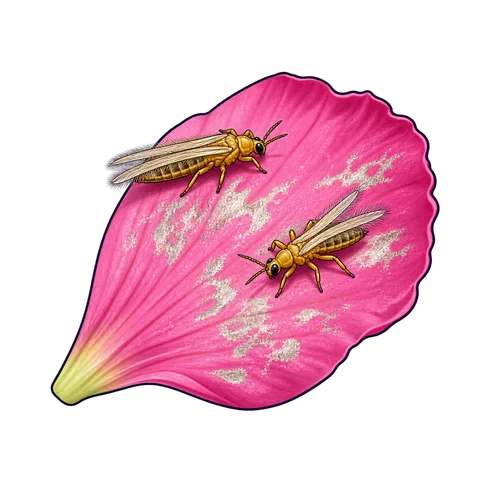
You have probably noticed these pinhead-sized bugs on your tomatoes or houseplants without knowing what they were, squinting at pale, silvery patches on the leaves while wondering where the damage came from. Thrips are united by their minute, slender bodies, rasping mouthparts, and narrow fringed wings, gathering in tight spaces like flower buds and leaf tips to drain plant sap. They spend their time hiding deep inside growing shoots and leaving behind tiny, tar-like dark spots alongside those signature silvery blotches, feeding across a massive variety of garden vegetables and ornamentals.

People often mix them up with spider mites or aphids, but telling thrips apart from the usual suspects comes down to a few obvious clues. Unlike spider mites, thrips never spin fine silk webbing across the foliage, and unlike aphids, they do not produce sticky honeydew that draws black mold. Whiteflies fly up in powdery white clouds when you disturb the plant, while flea beetles chew clean round holes through leaves instead of leaving behind rasped, bleached scars.

Explore thrips
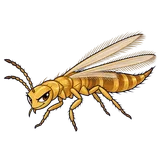
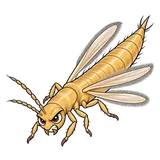
Illustration of Western flower thripsWestern flower thripsFrankliniella occidentalisIllustration of Onion thripsOnion thripsThrips tabaciIllustration of Thrips parvispinusThrips parvispinusThrips parvispinus
Questions about thrips

ThripsWhat are thrips on plants?An informational guide explaining what thrips are, how they damage plants through piercing-sucking mouthparts, and how to identify and manage infestations.ThripsHow do you get rid of thrips on plants?Learn how to effectively identify and get rid of thrips on indoor and outdoor plants using integrated pest management, physical removal, biological controls, and targeted treatmentThripsWhat are Thrips parvispinus?A plain-language guide to what Thrips parvispinus is, how to recognize thrips damage at home, what to try first, and when identification or control needs a professional.ThripsHow do you identify thrips on a Monstera?Learn how to identify thrips on a Monstera by pairing the insects' look with the silvery damage, black droppings and distorted new leaves they leave behind, plus what to do next anThripsDo thrips live in soil?Thrips do not live in soil full time, but they pupate in the top layer of soil and potting mix, which is why treating only the leaves fails. Learn how to spot them and fight both sThripsWhy are thrips in the house?An informational guide explaining why thrips appear inside homes, how to identify them correctly, what practical isolation choices to make, and when professional or regulatory helpThripsDo thrips bite people?Thrips can land on skin and cause a brief prickle, but they do not bite people. Learn how to tell thrips from real biters, what to do about them, and when to get help.ThripsWhat do adult thrips look like?Adult thrips are tiny, slender insects about 1/25 inch long with fringed wings. Learn how to spot them, tell them from lookalikes, and decide what to do next.ThripsWhat do thrips damage and black specks on leaves suggest?Learn what thrips damage and black specks on leaves mean, how to identify the pest, and what practical steps to take next.ThripsHow can you monitor thrips without assuming every black insect is a thrips?Learn how to monitor thrips accurately by looking past color and using proper identification techniques to avoid confusing them with other garden insects.ThripsWhat does Thrips parvispinus damage look like?Learn to identify and handle Thrips parvispinus damage on plants, with clear steps for inspection, cultural control, and when to call professionals.ThripsThrips parvispinus vs western flower thrips: what is different?Understand the differences between Thrips parvispinus and western flower thrips, how to identify them, and what management strategies actually work.