
What does Thrips parvispinus damage look like?
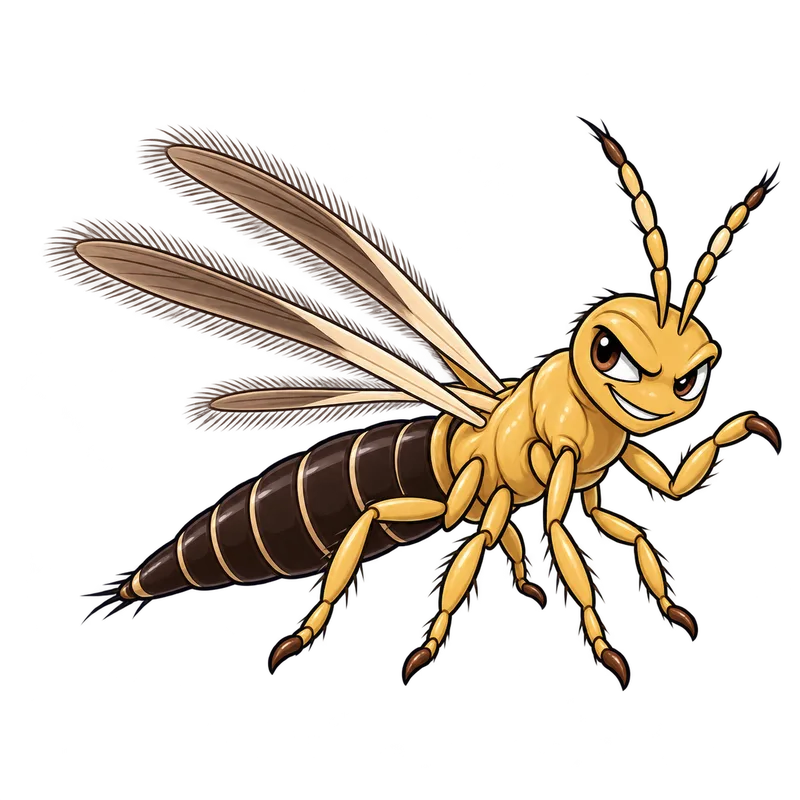
Thrips parvispinus damage looks like a dull, silvery sheen or bleached blotchiness on green leaves, accompanied by tiny, dark liquid fecal deposits that dry into shiny tar spots on the underside. As feeding continues, young leaves curl and crinkle, terminal growing points turn brown, and blossoms drop off the plant.
What is actually going on
You walk out to the back porch to check on your prized bell peppers, the ones you have been babying all season, and notice something off on the foliage. The leaves do not look chewed up like a caterpillar went to town on them. Instead, they have taken on a weird, dull sheen, almost like someone smeared silver paint across the green surface. You flip a leaf over and spot tiny, dark little specks, as if someone shook a pepper grinder over the plant while you were not looking.
What you are looking at is classic thrips damage, though pinning it down to a specific pest from visual symptoms alone is a bit trickier than most people realize. To understand why your pepper or greenhouse plant looks this way, you have to look at how these tiny insects eat. Unlike beetles or caterpillars that munch away entire chunks of leaf tissue, thrips have piercing and sucking mouthparts. They punch individual plant cells and drain out the moisture and chlorophyll, leaving behind empty air pockets.
Those empty pockets are what create that silvery, bleached blotchiness on the leaf. Because the cells are hollow, they reflect light differently. As the feeding continues day after day, the plant responds in unfortunate ways. Young leaves start to curl and crinkle at the margins, terminal growing points turn brown and wither, and blossoms often drop off before they can even set fruit. Meanwhile, those dark specks on the underside of the leaf are not dirt. They are liquid fecal deposits from the insects that dry into hard, shiny little tar spots.
How to tell for sure
The big catch here is that while you can easily tell you have a thrips problem, looking at leaf silvering usually does not tell you which exact species is causing it. This particular pepper thrips is an invasive species spreading through tropical and greenhouse environments, but its field symptoms look an awful lot like what you get from western flower thrips, melon thrips, or onion thrips. Even other unrelated pests like cyclamen mites or leafhoppers can mimic this kind of stippling and distortion.
If you want to know what you are dealing with, you usually have to step up your inspection game. Naked eyes will only spot a moving speck if you are lucky. You generally need a magnifying glass to peer closely at the leaf undersides and terminal buds. Adult thrips are slender and tiny, often sporting fringed wings, while the wingless nymphs look like little mobile grains of rice scuttling away from the light.
For a definitive species identification, you often need to trap an adult and look at its microscopic features under a lab microscope, or send a sample off to a local extension office. That may sound like overkill for a houseplant or a backyard garden bed, but it matters because some thrips species are notorious vectors for devastating plant viruses. When a thrips population carries something like a tospovirus, minor cosmetic feeding quickly turns into systemic stunting, yellow rings, and total crop collapse.
What usually comes next
Once you spot that silvery damage and confirm you have thrips through a magnifying lens, you have to make a practical decision about how to handle them without making things worse. A common mistake is grabbing a heavy chemical spray at the very first sign of damage and dousing the entire plant. Broad-spectrum sprays often wipe out beneficial insects like minute pirate bugs and predaceous mites that were quietly keeping your thrips population in check, which can trigger an even bigger outbreak a few weeks down the road.
If you are dealing with an outdoor vegetable garden or a collection of indoor plants, your first line of defense is usually physical and cultural. Prune out heavily damaged terminal buds and seal them in a bag, and give your plants a firm, gentle wash with water from a hose to physically knock the nymphs off the foliage. You can also hang bright yellow or blue sticky cards right at canopy height to catch and monitor wandering adults.
When populations get ahead of physical removal, you might turn to biorational options like insecticidal soaps or neem oil, which work on soft-bodied nymphs by disrupting their membranes or smothering them. If you are growing food crops, always check the product label for instructions on how many days must pass between spraying and eating your harvest. For severe infestations in enclosed spaces, introducing biological controls or consulting an extension professional for a targeted management plan is usually the smartest path forward.
When to get help
There are times when a backyard gardener or a greenhouse hobbyist needs to step back and let professionals take the wheel. If you suspect an invasive, highly regulated quarantine pest, or if you notice widespread blossom drop, sudden plant collapse, and symptoms pointing toward a viral infection, you should reach out to your local university extension service or state department of agriculture. Commercial growers and nurseries discovering unusual thrips outbreaks have a statutory duty to report suspected quarantine pests to the appropriate national biosecurity authorities.
Resistance is another major hurdle that calls for expert advice. Overusing a single chemical class or organic treatment can quickly lead to resistant thrips populations that laugh off your sprays. If you have rotated treatments and still find your plants covered in feeding damage and black frass spots, a professional crop consultant can help test for resistance and recommend a structured management program before your plants give up entirely.