
Thrips parvispinus vs western flower thrips: what is different?
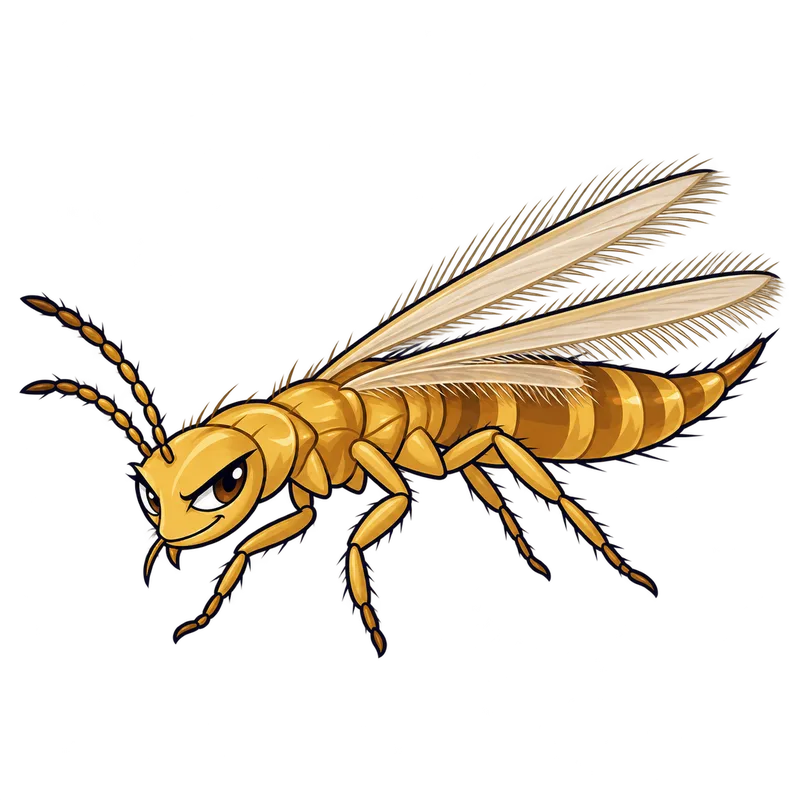
Thrips parvispinus and western flower thrips differ primarily in their feeding habits and appearance. While western flower thrips prefer blossoms, Thrips parvispinus attacks leaves and growing tips, with females measuring about one millimeter and featuring dark brown to black bodies, whereas males are smaller and entirely yellow.
What is actually going on
You walk into your greenhouse on a Tuesday morning, ready to check on your prize bell peppers, only to find the new growth at the top of the stems looking completely fried. The leaves are twisted, curled downward, and bronzed at the edges, as if someone took a blowtorch to the terminal shoots. Your first instinct might be heat stress or a terrible chemical burn. But when you look closer, you notice tiny, slender insects scurrying across the leaf undersides. You probably assume you are dealing with your old nemesis, the western flower thrips, and grab a standard soil treatment. That is usually where things go sideways.
The pest tearing up your crop is likely Thrips parvispinus, an invasive species that behaves entirely differently from the western flower thrips you are used to managing. While western flower thrips prefer to hang out in the blossoms feeding on pollen, Thrips parvispinus attacks the leaves, stems, and growing tips with brutal efficiency. To make matters more confusing, these insects display extreme sexual dimorphism, meaning the males and females look like two completely different species. The females are about 1 millimeter long with a dark brown to black body, while the males are smaller at about 0.6 millimeters and entirely yellow. If you only scout the flowers, you will miss them entirely. If you only look at the yellow males, you might mistake them for harmless immature nymphs.
Another reason this pest catches growers off guard is the sheer speed of its life cycle. Under warm conditions, it can zip from an egg to an adult in just over two weeks, churning out more than 20 generations a year. They feed by puncturing individual plant cells and sucking out the contents, creating empty air-filled spaces that turn the leaves silvery, chlorotic, and eventually scorched. This damage looks remarkably like the work of microscopic broad mites, which often leads to the wrong treatment entirely. Treating a thrips outbreak with a miticide is a waste of time and money, leaving your plants defenseless while the population explodes.
How to tell for sure
Finding out which pest you are dealing with requires a bit of field work, because relying on damaged foliage alone will usually send you down the wrong path. Start by grabbing a white sheet of paper or a plastic beat tray and holding it directly beneath your plant's terminal shoots. Tap the stems firmly a few times to dislodge whatever is clinging to the foliage. Because these insects are minuscule, you usually need a 20x hand lens or a jeweler's loupe to see what just fell onto the paper.
Look closely at the adults you dislodge. If you see dark brown or black females with lighter legs and heads alongside tiny, bright yellow males, you are looking at Thrips parvispinus. Western flower thrips, by contrast, do not have this dramatic black-and-yellow color contrast between the sexes, and they usually stay an even amber or light brown. If you find heavy leaf distortion and bronzing at the growing tips, but your beat tray turns up zero thrips, you can usually suspect something else, like broad mites, which require much higher magnification to spot.
Another clue lies in where you find them on the plant. Western flower thrips love to congregate inside open blooms and flower buds. Thrips parvispinus will certainly visit flowers, but they concentrate their efforts heavily on leaf undersides, petioles, and the newest terminal growth. If your flowers look fine but your upper leaves look scorched and curled, check the underside of those leaves before you make any assumptions.
What usually comes next
Once you confirm you are dealing with Thrips parvispinus, you can safely toss out the playbook meant for soil-dwelling pests. Because these particular thrips do not restrict their entire life cycle to the dirt below, any single-angled defense is bound to collapse. For example, plenty of growers count on beneficial nematodes sent down as a soil drench to wipe out pupating insects. That tactic functions well enough against western flower thrips, which drop exclusively into the ground to complete their transformation. But Thrips parvispinus prepupae frequently linger directly on the leaves before finally dropping, meaning a dirt-only treatment leaves an entire generation untouched on the upper tiers of the plant.
Your strategy generally demands a combination of strict cleanup habits, foliar predators, and carefully rotated chemistry. Start by clearing out broadleaf weeds near your growing spaces, since those plants act as year-round hotels for the bugs. If you bring in unrooted cuttings, inspect every batch mercilessly and think about preventative dips. On the biological side, predatory mites can police the foliage by hunting down tiny larvae and resting prepupae, while generalist predators like minute pirate bugs chip in for backup.
When populations explode and force you to reach for sprays, rotation becomes completely non-negotiable. Because these insects churn out new generations at a dizzying speed, they develop resistance to chemical classes far faster than you might expect. You cannot afford to apply the same product group over and over. You must check product labels carefully to match active ingredients to your specific crop, keeping in mind that certain potent chemicals are legally restricted to enclosed greenhouses and forbidden in open fields or nurseries.
When to get help
There are times when a DIY pest plan stops working and starts costing you your entire harvest. If you run a commercial greenhouse or a large nursery and spot an aggressive, fast-moving leaf scorch that you cannot pin down, call in a local university extension agent or a crop consultant. Invasive species are closely watched, and getting a firm confirmation helps agricultural authorities track how these bugs spread across a region.
You also want professional backup when dealing with the legal and safety hurdles of chemical applications. Agricultural sprays carry rigid rules about harvest wait times and worker re-entry windows. In commercial and public settings, choosing and applying these items legally belongs to licensed applicators who know local rules and resistance guidelines. If you handle powerful formulas, always treat the product label as the final word on safety gear and approved sites.
Lastly, if your crew handles infested plants and complains of severe skin irritation, keep in mind that thrips do not bite people or carry human diseases. Skin flare-ups usually stem from irritating plant fuzz, accidental chemical contact, or other critters like caterpillars sharing the foliage. Whenever symptoms get murky or your spray routine fails, stepping back and letting an expert inspect your setup is the smartest move you can make.