
What are Thrips parvispinus?
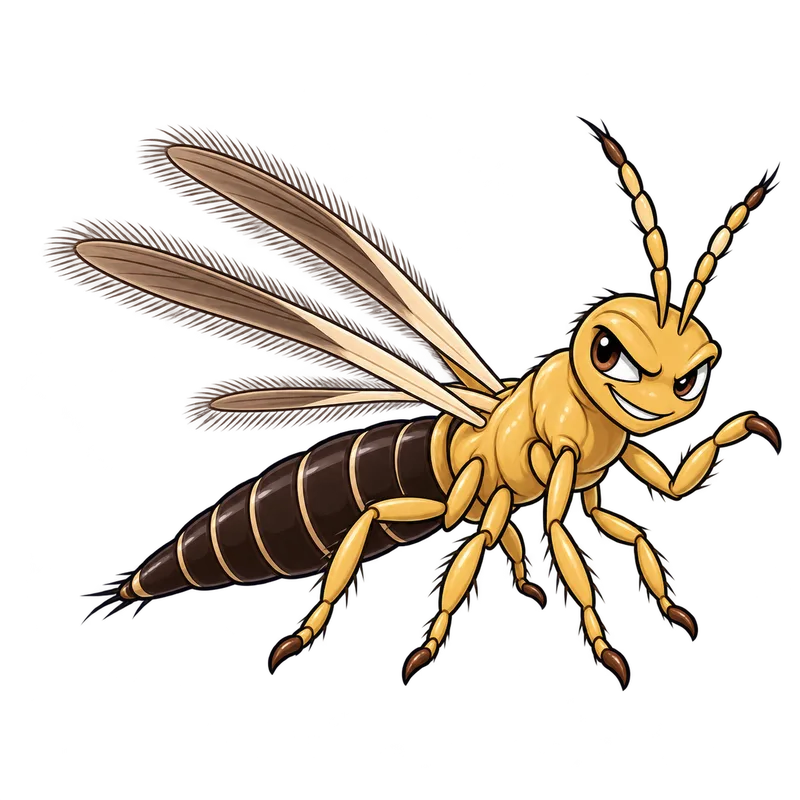
Thrips parvispinus is one species of minute, slender insects in the order Thysanoptera, often called pepper thrips. Adults grow about 1 mm long, or roughly 1/25 of an inch. Confirming this exact species at home is difficult because telling them apart from other thrips requires microscopic examination.
What is actually going on
Picture yourself watering a pepper plant on the patio, or a potted gardenia by the kitchen window, and noticing that the newest leaves look wrong. Not chewed, not holed, but oddly silvery, as if someone had rubbed tiny patches of dull foil onto the foliage. Flip a leaf over and there is a light dusting of what looks like black table pepper. If you hold still and stare, something pale and almost comically small scurries sideways and vanishes into a bud. That is usually the moment people meet the question, even if they never meet the Latin name.
Thrips parvispinus is one species in the thrips crowd, a huge group of minute, slender insects in the order Thysanoptera. In wider writing it is often called pepper thrips, which hints at the plants it has been found troubling. Adult thrips generally run about 1 mm long, roughly 1/25 of an inch, with narrow bodies and fringed wings that look like tiny feathers under magnification. They feed by piercing individual plant cells and sucking out the contents. That is why the damage turns silvery: emptied cells fill with air, and light bounces off the hollow cell walls.
One small language note, because it trips everyone up: the word is thrips whether you have one insect or five hundred. One thrips, many thrips, same spelling. Now the honest part, and it matters. Telling Thrips parvispinus apart from cousins such as onion thrips, western flower thrips, or melon thrips is microscope work, usually involving fine details of antennae and body bristles. That is not a phone photo job. The useful news is that a home gardener rarely needs the exact species. The damage, the habits, and the sensible first response are broadly similar across thrips, so you can act on thrips and leave the Latin name to a lab if it ever becomes important.
How to tell for sure
Start with the damage, because that is what you actually see. Thrips feeding leaves silvery or white blotches and stippling on leaves, sometimes a general bleached look on the worst-hit growth. On buds and growing tips, feeding causes crinkling, curling, browning at the leaf edges, and distorted flowers or fruit. Then there is the calling card: tiny black specks of liquid droppings scattered over damaged surfaces, usually easiest to spot on leaf undersides. Silvery sheen plus black pepper flecks plus distorted new growth is a strong thrips signature.
To find the insects themselves, use the oldest trick in the book. Hold white paper or a white saucer under a flower or suspect leaf and give the plant a firm tap. Thrips usually drop onto the paper, where they show up as tiny slivers that move in quick, jerky runs. Adults are slender and dark or yellowish depending on species and age. The young ones, called nymphs or larvae, are smaller, paler, and wingless, and they usually cluster where the feeding is freshest. A cheap 10x hand lens, the kind jewelers use, turns this from guesswork into a clear look, and it lives happily in a garden apron pocket next to the pruners.
Where you look matters as much as how. Thrips usually shelter on leaf undersides, inside tight buds, and deep in flower structures, so a glance at the tops of the leaves tells you almost nothing. This is also why their damage gets misread. Spider mites cause stippling too, and some viral diseases mimic the distortion. Mites usually leave fine webbing and look like moving dots rather than slivers, but the tap test and the hand lens settle most arguments before anyone reaches for a spray.
Could it be Thrips parvispinus specifically rather than a generic thrips? Possibly, but you usually cannot confirm that at home, and color alone will not do it, since thrips species overlap in appearance and individuals vary. If the exact name matters, for example because the infestation is severe, unusual, or on a commercial crop, that identification belongs with a university extension diagnostic lab or an entomologist who can examine a specimen properly.
What usually comes next
The one decision that actually matters is this: do you start with physical control and monitoring, or do you jump straight to a spray? For most home gardens and houseplants, the right first move is the boring one. Knock the population down mechanically, watch what happens over a week, and only then decide whether chemistry earns its place. Thrips run a life cycle of roughly three to four weeks in warm conditions: eggs, two active young stages, a resting stage tucked into soil or debris, then winged adults. A single day's effort never tells the whole story, because the eggs and the hidden stages are still waiting their turn. You are playing a short season here, not a single match.
The mechanical route is genuinely effective while the population is young. A firm jet of water knocks adults and nymphs off the foliage. Small potted plants can be washed with warm water and a mild insecticidal soap solution. Clearing weeds, fallen leaves, and plant debris around the bed removes the shelter where thrips ride out bad weather, and blue or yellow sticky cards hung near the canopy tell you whether numbers are rising or falling. Plenty of gardeners stop right there and never need anything else, especially outdoors, where minute pirate bugs, lady beetles, and predatory mites quietly eat thrips for a living. Free labor, no label to read.
If the numbers keep climbing, the escalation ladder runs from gentlest to strongest. Insecticidal soaps and neem-based products work by direct contact and often carry labels that allow use close to harvest, but they only kill what they touch. Miss the leaf undersides and the buds and you have mostly watered your plant. Spinosad, a fermentation-derived option, is a common next step, with a short harvest wait on food crops, though it is toxic to bees while wet. That leads to the rule nobody should break: never spray anything, organic or otherwise, onto open flowers, and time any treatment for early morning or dusk when pollinators are not working. Whatever you use, the label is the law. And rotate between products with different modes of action, because thrips are famously good at evolving resistance to whatever gets sprayed at them over and over.
You might reasonably ask, if the exact species is hard to prove, why not just spray and be done with it? Because spraying blind is how people scorch leaves, miss the insects hiding in buds, annoy the bees, and still keep the thrips. A week of tapping, washing, and reading sticky cards gives you evidence. Evidence makes the next step cheaper and usually gentler.
When to get help
Some situations outgrow the hand lens and the hose. If you are seeing severe damage across many plants, galling or distortion that looks exotic, or an outbreak on a commercial crop, collect a specimen and contact your local university extension service or state department of agriculture. Certain thrips species are regulated quarantine pests, and an unusual outbreak may need to be reported to the authorities rather than treated quietly at home. That is not paperwork for the sake of paperwork. Early reports are how invasive plant pests get contained before they become everyone's problem.
Commercial growers, greenhouse operators, and anyone managing turf or plantings at scale have another boundary to respect. Restricted-use products and systemic insecticides belong in the hands of licensed applicators, both for legal reasons and because resistance management on a production scale is a professional discipline, not a weekend project. If your garden center shelf is not solving the problem after an honest effort, a consultation with an extension agent or a licensed pest management professional costs less than a season of failed sprays.
One reassurance before you worry too much: thrips are a plant problem, not a people problem. They do not bite humans in any meaningful way and they do not transmit human diseases, though they can carry serious plant viruses from one crop to another. So if you or someone in the household has a bite, a rash, or a skin reaction you cannot explain, do not pin it on the garden. That conversation belongs with a clinician or poison control, not with an insect identification. Your plants, meanwhile, are usually salvageable with patience, a hand lens, and the discipline to look under the leaves.