
Are bark scorpions found in Florida?
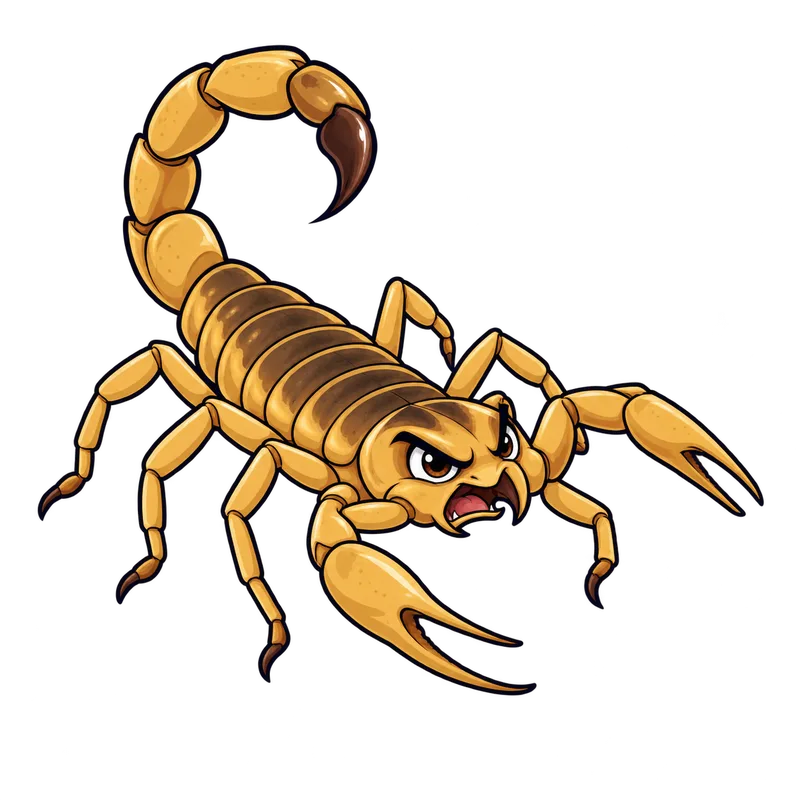
No, Arizona bark scorpions are not established in Florida. Official distribution records show no established populations of the Southwestern bark scorpion in the state, which prefers the dry heat of the Southwest. Florida does have its own native scorpions, so a scorpion found there is almost certainly one of those.
What is actually going on
Imagine walking across your living room floor in the dark to grab a glass of water, feeling that sudden, sharp pinch on your bare foot. Naturally, your mind might race to stories of venomous desert creatures, especially if you recently moved or vacationed out West. If you are wondering whether bark scorpions have made themselves at home in Florida, the short answer is no, you do not have to worry about the famous Arizona bark scorpion setting up shop in your backyard. Official distribution records show no established populations of the notorious Southwestern bark scorpion in Florida.
That does not mean the Sunshine State is entirely devoid of arachnids with stingers, of course. Florida has its own native scorpion species, but the specific creatures known as bark scorpions belong to distinct geographical regions. The Arizona bark scorpion prefers the dry heat of the Southwest, while its striped cousin ranges across various central and southern states. When people picture bark scorpions scaling interior walls or hiding under roof shingles, they are usually picturing habits tied to arid or semi-arid environments rather than Florida's unique humid ecosystems.
Why does this matter for a homeowner? Because pest panics tend to travel faster than the actual bugs. People often assume that any small scorpion sliding through a gap in a patio door is the same lethal species featured in desert survival documentaries. In reality, even if you encounter a native scorpion in Florida, its habits and potential impact on your household will look quite different from what you might read about online regarding the deserts of Arizona.
How to tell for sure
Pinpointing what kind of scorpion you are looking at usually requires more than a quick glance from across the room. Bark scorpions tend to be small and slender, usually measuring between 2 and 3 inches long, with a yellowish or light brown body. They have the classic scorpion silhouette: an elongated body, 8 legs, a pair of pincers, and a segmented tail that curls up over the back.
One behavioral clue that sets bark scorpions apart is their love for vertical surfaces. They navigate much like a person walking down a pitch-black hallway with a hand trailing along the wall. Instead of hiding strictly under flat rocks on the ground like many desert scorpions, bark scorpions climb. They can squeeze through shockingly tight gaps, often slipping behind baseboards, inside wall voids, or under loose bark on trees.
If you want to spot them at night, a specialized ultraviolet blacklight works wonders. Their exoskeletons absorb the invisible rays and glow a vibrant, neon green-blue, making them stand out against dark stucco or wooden fences.
Even so, telling one scorpion species apart from another usually requires a 10x magnification hand lens to examine tiny anatomical details like the spine under the stinger. Relying on a blurry smartphone photo or trying to diagnose the culprit from a red mark on your skin usually leads nowhere. Neither a photograph nor a skin lesion can establish a definitive species identity, since many different bugs and minor infections leave behind similar marks.
What usually comes next
When homeowners find a scorpion indoors, the instinctive reaction is often to empty every shelf and empty cans of harsh sprays into every corner. A more practical decision involves focusing on exclusion and habitat modification rather than chemical warfare. Scorpions need moisture, shelter, and an abundant food supply of smaller insects like crickets and roaches to thrive near a home.
Start by sealing up the obvious entry points. If a gap under your exterior doors is wide enough to slide a credit card through, a slender scorpion can slip right underneath. Installing firm door sweeps, caulking around window frames, and sealing gaps where plumbing lines enter the exterior walls shut down their highway system.
Outdoors, pull mulch, woodpiles, and thick leaf litter at least 20 feet away from your foundation. If you store firewood, gardening gloves, or old camping gear in a garage or shed, shake them out thoroughly before putting them on. Treating your home like a fortress against drafts works remarkably well for keeping wandering arachnids outside where they belong.
When to get help
Most scorpion stings result in localized discomfort comparable to a wasp sting, but certain situations call for immediate professional intervention. If a sting occurs in a young child, an elderly individual, or someone with a history of severe allergic reactions, call your regional Poison Control Center right away.
For severe systemic envenomation, which happens primarily with specific Southwestern species rather than typical Florida encounters, medical professionals rely on specialized treatments. Seek immediate emergency room care if the person stung begins showing signs of severe distress, such as involuntary muscle thrashing, unusual eye movements, excessive drooling, difficulty swallowing, or trouble breathing. Additionally, because any puncture wound from a scorpion breaks the skin, check whether the victim is due for a tetanus booster if they have not received one recently.