
What is a Central American bark scorpion?
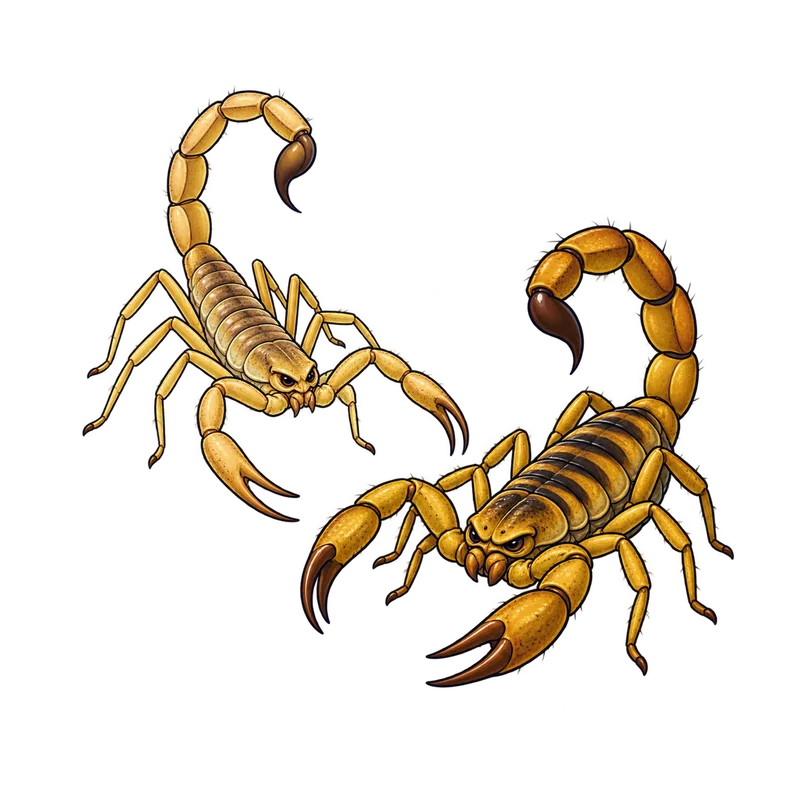
A Central American bark scorpion is a venomous arachnid with a pale and slender build, delicate pincers, and a flat profile. These nocturnal climbers are known for carrying a neurotoxic punch that acts on the nervous system to trigger involuntary muscle twitching and sweating.
What is actually going on
Picture walking into your kitchen late at night for a glass of water, switching on the overhead light, and spotting a pale, slender creature scrambling up the baseboard near the pantry. That little hitchhiker is a bark scorpion, and it belongs to a sprawling group of venomous arachnids tucked inside the genus Centruroides. Unlike heavy, thick-tailed desert scorpions that spend their days digging burrows in the dirt, these critters are built like tiny climbers. They have slender bodies, delicate pincers, and a flat profile that lets them wedge themselves behind loose tree bark, inside stone walls, or along the framing of your living room door.
If you are wondering why you are finding them indoors, you can blame a survival quirk called thigmotaxis. That is just a technical way of saying they like to keep their bodies physically touching a surface as they move, which naturally guides them along walls, baseboards, and window frames. They are strictly nocturnal hunters, meaning they spend the daylight hours hidden away and only come out when the house goes dark and quiet.
While the exact species known as the Central American bark scorpion shares the slender build and climbing habits of its North American cousins, what really catches people off guard is their venom. These scorpions carry a neurotoxic punch that acts on the nervous system. When someone gets stung, the venom can trigger a rapid-fire chemical reaction in the body. Instead of just a sore finger, a severe envenomation can cause what medical professionals call an autonomic storm, leading to involuntary muscle twitching, sweating, and restlessness. But do you really need to panic the second you spot one on the wall, or is there a calmer way to handle the situation?
How to tell for sure
Telling a bark scorpion apart from other household crawlers usually comes down to shape and movement. If you are looking at a specimen, you will usually notice it is relatively small and slender, with very narrow pincers compared to the chunky claws of ground-dwelling scorpions. Their tails are long and segmented, usually curled over their backs when resting, ending in a sharp stinger.
When you find one indoors, geography and behavior usually give them away. Bark scorpions are agile and can scale vertical walls and textured drywall with ease. If you see a pale brown or yellowish scorpion clinging upside down to your ceiling or scurrying across a bed frame, it is almost certainly a bark scorpion rather than a burrowing species.
There is also a neat trick for finding them when they are hiding. Bark scorpions have a special layer in their exoskeleton that glows a bright, neon green when you shine an ultraviolet flashlight on them in the dark. Walking your hallways at night with a blacklight is usually the fastest way to confirm whether you have a stray visitor or a hidden population.
What usually comes next
When you spot a bark scorpion on your kitchen floor, your first instinct might be to stomp on it or reach for a heavy chemical spray. Neither choice is usually your best move. If you want to deal with the immediate visitor safely, grab a wide-mouth glass container and a piece of rigid cardboard. Place the glass gently over the scorpion, slide the cardboard underneath to trap it, and carry it outside to release it well away from your foundation.
For the broader problem of keeping them out of your living spaces, your best practical decision is to tackle their pathways and hideouts. Bark scorpions slip inside through tiny gaps under doors and around utility pipes. Installing tight door sweeps, sealing up utility penetrations, and clearing away woodpiles or heavy leaf litter from the exterior walls usually cuts off their access. You can also clear away the insects they like to eat, such as crickets and roaches, so your house stops looking like an all-night diner.
If you do happen to get stung, keep calm and focus on basic first aid. Wash the sting site thoroughly with soap and clean water, apply a cool compress or ice pack wrapped in a cloth to manage the localized pain, and keep the affected limb elevated. Over-the-counter pain relievers can take the edge off minor discomfort, and you should always check when you had your last tetanus shot. Never try to cut the skin or suck out the venom, as those old movie remedies only make things worse.
When to get help
Most scorpion stings result in intense local pain that peaks and fades within a few hours, but certain situations call for immediate professional medical attention. If a young child under five years old, an older adult, or someone with a pre-existing heart condition gets stung, do not wait for symptoms to worsen. Head straight to the nearest emergency room.
You also need emergency medical help right away if the sting triggers systemic warning signs. Watch out for difficulty breathing, upper airway stridor, uncontrollable darting or rolling eye movements, excessive drooling, slurred speech, or severe muscle twitching and thrashing. Hospitals treat these severe reactions with specialized antivenom, which neutralizes the circulating venom and clears symptoms quickly.
If you are dealing with a recurring indoor population that refuses to go away, bring in a licensed pest control professional. They can conduct a thorough structural inspection, seal hidden entry points, and apply regulated treatments safely. If you ever have questions about a sting or need clinical guidance on symptoms, you can call the Poison Control Center Helpline at 1-800-222-1222 at any time of day or night.