
How can you reduce scorpion entry points around an Arizona home?
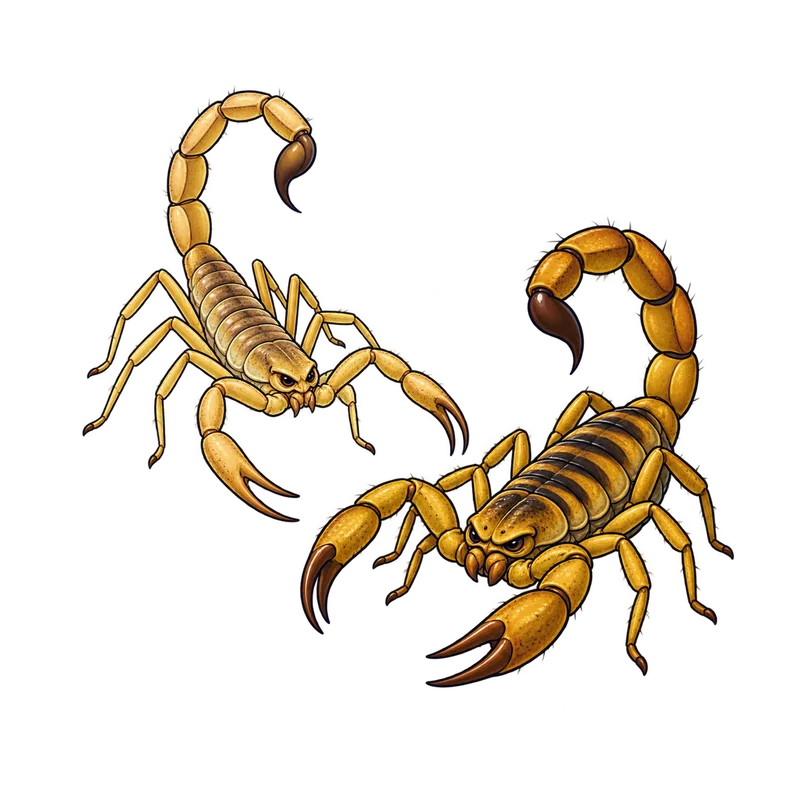
You can reduce Arizona bark scorpion entry points by sealing micro gaps around your home with durable exterior caulk and expandable foam. Install heavy brush or rubber sweeps on exterior doors to block drafts, repair torn window screens, and clear away debris like firewood from your foundation walls.
What is actually going on
Picture stepping out onto the back patio in Tucson after sundown, reaching down to grab a garden hose, and spotting a pale, slender scorpion scuttling away from the damp rubber coil. It is a startling reminder of what they do best. They live right at the edge of the desert, and when the summer heat climbs or the yard dries out, they look for somewhere cooler and more humid. Your house is essentially a climate-controlled fortress, and they are trying to find the weak spots in the walls to move right in.
People usually assume that spraying a bit of perimeter pesticide will solve the problem once and for all, but that misses how these creatures actually move. Scorpions do not barge through wide-open spaces; they exploit tiny structural flaws. Because they have remarkably flat, flexible bodies, they can squeeze through micro-gaps that look far too narrow to support anything living. If a gap beneath a door lets in a sliver of daylight, or if an exterior wall crack gives them purchase, they will use it.
To keep them out, you have to think like a desert arachnid. Scorpions rely on a behavior called thigmotaxis, which means they prefer to keep their bodies touching solid surfaces at all times. They do not wander across the middle of a room for fun. Instead, they travel along baseboards, follow foundation lines, and hug walls. That makes physical exclusion your strongest defense. You are not just sealing a house; you are cutting off their travel lanes and blocking every tiny architectural opening they use to slip inside.
How to tell for sure
If you are wondering what kind of guest you are dealing with around an Arizona home, you are usually looking at the Arizona bark scorpion. It is small, slender, and pale tan or yellowish-brown, and unlike other ground-dwelling species, it loves to climb. You might spot one scaling a stucco exterior wall, crawling up a block fence, or hanging out near the top of a ceiling corner indoors.
Confirmation usually comes down to two very reliable everyday methods. First, you can look for their general shape and behavior, such as their slender pincers and their habit of clinging tight to vertical surfaces. Second, you can use a portable ultraviolet flashlight emitting at 365 nanometers after dark. When that light hits a scorpion in the yard or along the patio, the cuticle in its exoskeleton absorbs the light and re-emits it as a brilliant, unmistakable neon green glow. It turns a frustrating nighttime search into an effortless spot-check.
One thing worth keeping straight is where identification stops. If you find a scorpion crushed flat beneath a shoe or torn apart by a pet, positive identification becomes nearly impossible. More importantly, never try to identify a pest from a mark on your skin. A mysterious red welt or a morning puncture might look dramatic, but skin reactions can come from anything from a bacterial infection to a chemical irritation, and guessing the culprit from a sting mark is a recipe for a false alarm.
What usually comes next
Once you decide to stop letting uninvited guests walk through your walls, the next logical move is a careful walk around the outside of the house with a tube of durable sealant and a sturdy door sweep in hand. You can start right at ground level by checking every exterior door. If you can slide a coin beneath the door threshold, or if daylight peeks through the corners, you need a heavy brush or rubber sweep that makes solid, continuous contact with the floor.
Next, trace the utility lines where electrical wires, copper pipes, and outdoor faucets punch through the structure. Fill those gaps with foam backing rod or expandable foam, then seal the outer seams with flexible exterior caulk. Look up toward the windows, sealing any cracked caulk along the frames and making sure your window screens fit flush without torn mesh.
Finally, tidy up the perimeter. Pull firewood, decorative rocks, and stacked lumber at least 20 feet away from the foundation walls. Trim shrubbery so it never touches the roof or siding, and fix any leaky outdoor faucets or air conditioner condensation lines. Scorpions are drawn indoors largely by the promise of moisture and prey like crickets and roaches, so drying out the perimeter and starving out their food source finishes the job you started with the caulk gun.
When to get help
Most minor encounters with desert scorpions call for nothing more than a glass jar, a piece of stiff cardboard, and a careful relocation to the far corner of the yard. But you should know where the boundaries lie. If you get stung, wash the site with soap and water, apply a cool compress, and call the Arizona Poison and Drug Information Center at 1-800-222-1222 for calm, expert triage.
Severe envenomations are a different story entirely. If a sting leads to serious symptoms like trouble breathing, uncontrollable muscle twitching, frantic eye movements, or excessive drooling and foaming at the mouth, forget home remedies and call emergency services immediately. These signs indicate severe neurotoxic activity that requires rapid medical evaluation and specialized antivenom treatment at a hospital.
You should also bring in a licensed pest control professional if you are facing a high-density infestation that refuses to clear up despite your best exclusion efforts, or if your property features complex multi-story architecture and extensive block walls that require specialized mechanical barriers. Letting an expert handle the heavy-duty structural sealing or chemical barrier work ensures your home stays secure without guesswork.