
How do you get rid of scorpions in a house?
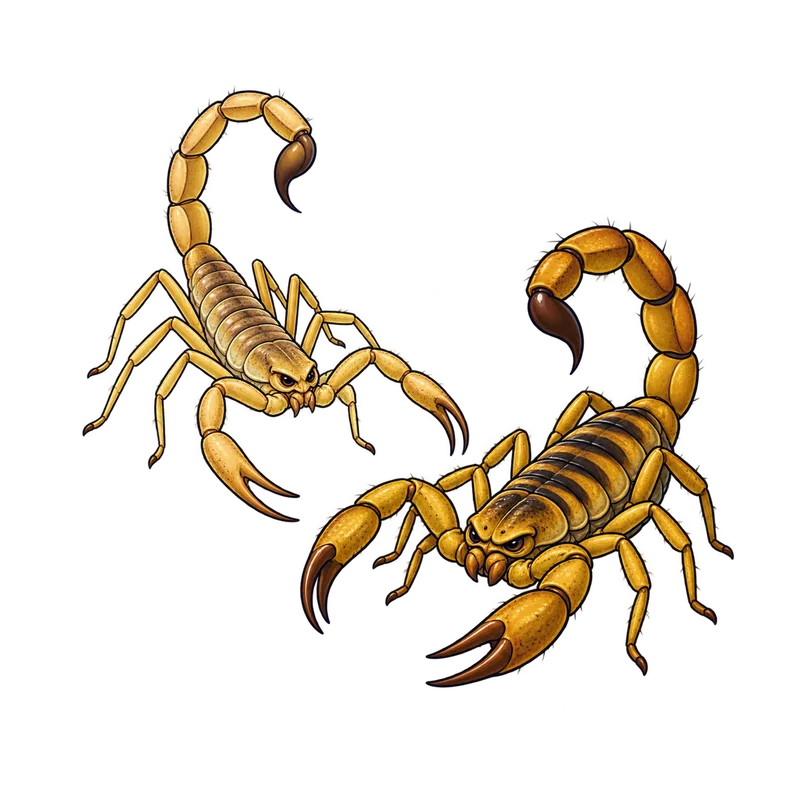
To get rid of scorpions in a house, you need to seal entry gaps like door seals and pipe penetrations, remove their food sources like crickets and roaches, and trap them with a jar and index card. If you keep finding them indoors or spot tiny juveniles pointing to a hidden nest, call a licensed pest control professional.
What is actually going on
You step out of bed in the dark to grab a glass of water, your bare foot hovering an inch above a pale, slender creature with a curled tail tapping against the baseboard. Finding a scorpion indoors usually sends a jolt of pure panic through anyone, but before you start tearing the house apart, you need to understand why it is there. Scorpions do not move into your living room to nest in the open. They are nocturnal sit-and-wait predators that spend their days hidden in cool, narrow microhabitats like wall voids, crawlspaces, or unsealed storage boxes. They wander inside because an exterior door seal failed, a utility pipe penetration left a gap, or a thriving population of crickets and cockroaches drew them in.
Once inside, a scorpion travels much like a person navigating a dark hallway late at night. They rely on an instinct called thigmotaxis, which simply means they keep continuous tactile contact with vertical surfaces. Instead of strolling across your open carpet, they hug the wall bases, crawl behind baseboards, and slide along cabinet toe-kicks. They possess flat bodies that allow them to slip through impossibly tight spaces. If you can slide a standard plastic credit card under your back door or through a crack around a utility pipe, a bark scorpion can easily slide through right behind it.
How to tell for sure
Identification comes before control, and you usually need to look closely at what you are dealing with before deciding your next move. In North America, indoor encounters typically involve bark scorpions. The Arizona bark scorpion is small and slender, measuring roughly 34 to 54 mm in total adult length with pale yellow-tan coloring and unusually thin pincers. Unlike most ground-dwelling species, these creatures are skilled climbers that scale rough walls and hang upside down on ceilings or beneath furniture. Further east and across eleven states, you are much more likely to encounter the striped bark scorpion, which grows a bit larger and features two dark longitudinal stripes down its abdomen and a dark triangular mark over its head.
A common belief is that you can just spray a standard household pesticide and solve the problem overnight, but that usually fails. Scorpions have a thick, waxy cuticle that resists chemical absorption, and they tend to walk with their bodies elevated on their tarsal claws, minimizing contact with treated surfaces. If you want to find them reliably, wait until after dark and take a walk around your home perimeter and dark rooms with a 365 nm long-wave ultraviolet flashlight. In normal light, a tan bark scorpion blends smoothly into stucco or concrete, but under this specific blacklight, its exoskeleton glows a vivid, bright neon green against the dark wall, instantly giving away its position.
What usually comes next
People dealing with a few uninvited guests usually wonder if they should call a professional right away or try to tackle the job themselves. Seeing a stray adult without vulnerable infants sleeping nearby generally calls for a steady program of sealing gaps and cleaning up. You are much better off stopping them at the entry points and removing their dinner sources than you are dumping a bottle of chemical spray on the carpet.
Put thick rubber door sweeps on every exterior and garage door to shut down floor level gaps, and seal window frames and pipe entries with durable outdoor caulk. Stuff larger wall openings with copper mesh before you seal them up. On the inside, get laundry and shoes off the floor and pull your bed frames away from the baseboards. Knock out the indoor cricket and roach populations so the scorpions go hungry and move along. When you find one crawling across the tile, skip the slipper smash and never try to grab it with your bare fingers. Reach for a wide glass jar and a sturdy index card instead. Drop the glass right over the bug, slide the card underneath, flip it over, and carry it outside. Finding baby scorpions inside changes the equation entirely, though, since tiny young ones mean there is a breeding nest hidden somewhere inside your walls.
When to get help
There are times when sealing gaps and turning over jars simply will not cut it, and you need to bring in outside muscle. Call a licensed pest control professional if scorpions keep showing up inside despite your best sealing efforts, or if you spot those tiny juveniles that hint at a hidden nest tucked away in an attic or wall void where a surface spray cannot touch them.
Medical emergencies require fast action of a very different kind. If someone gets stung, wash the spot with soap and water, hold a cold compress against it for twenty minutes, and call your regional Poison Control Center at 1-800-222-1222 to sort out the symptoms. You need to call 911 or head to the emergency room immediately if the person stung is a young child or if the sting triggers serious whole body reactions. Those danger signs include wild muscle twitching, rolling eyes, heavy drooling, slurred speech, and any trouble breathing. In regions where venomous bark scorpions thrive, houses with infants under five, elderly family members, or anyone with compromised health need professional pest control on speed dial to keep high-risk areas secure.