
Why are scorpions found in bathrooms or sinks?
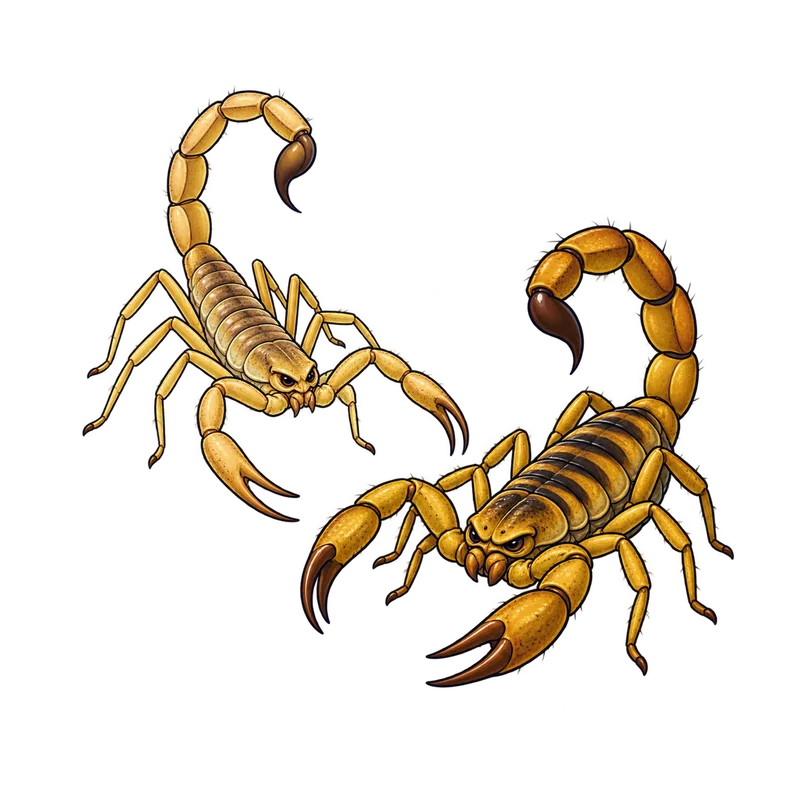
Scorpions end up in sinks and bathtubs because they fall in from above during their nocturnal travels after hunting for water or insects along walls. The Arizona bark scorpion and other species cannot climb out because their tiny clawed feet lack traction on smooth porcelain or ceramic surfaces.
What is actually going on
Picture walking into the bathroom at six in the morning to brush your teeth, flipping on the light, and spotting a pale, slender scorpion pacing frantically at the very bottom of the smooth porcelain sink. It is a startling wake-up call, and your first thought is probably wondering how on earth it climbed up through the drainpipe overnight.
As it turns out, the scorpion did not swim up through the plumbing or emerge from the sewer lines at all. Scorpions end up in sinks and bathtubs simply because they fall in from above during their nocturnal travels. When a scorpion comes out at night to hunt for water or insects, it relies on a built-in behavior called thigmotaxis, which is just a fancy way of saying it likes to keep its body pressed against a solid surface while it moves. Think of the way you might walk down a pitch-black hallway with one hand trailing along the wall to guide your steps.
The scorpion follows baseboards, hugs walls, and scuttles along the backsplashes of your bathroom counters. Sooner or later, its path takes it over the rim of a sink or a bathtub. Once it steps over that edge, gravity takes over. The scorpion tumbles to the bottom and quickly realizes it is trapped for good. Its tiny clawed feet cannot get any traction on smooth porcelain, polished glass, or ceramic enamel, leaving it stranded like someone wearing slick-soled shoes trying to climb up a wet glass slide.
How to tell for sure
If you live in the American Southwest or parts of the central United States, the visitor in your sink is usually one of a couple of common bark scorpion species. The Arizona bark scorpion is the one that tends to cause the most worry because it is agile enough to climb textured walls and ceilings, and its sting packs a serious punch. It usually measures about an inch and a half to two inches long, with a slender, pale yellowish-tan body. The striped bark scorpion is even more widespread across several states and features a distinctive dark triangle on its head with two dark stripes running down its back.
People sometimes mistake harmless lookalikes for scorpions in these damp spaces. Camel spiders, which are actually non-venomous arachnids with large jaws, occasionally wander inside, though they lack the signature segmented tail and stinging stinger. Long-legged harvestmen, commonly called daddy long-legs, also show up in humid corners, but they do not have stingers or venom either. A true scorpion usually gives itself away by its segmented tail curled over its back and the bulbous stinger at the tip.
What usually comes next
When you spot a scorpion trapped in the basin, your main job is to stop more of them from finding an indoor route. Chemical bug sprays rarely solve the problem on their own if the structural gaps are left wide open. You need to focus on exclusion, which means sealing off the hidden highways scorpions use to get inside in the first place.
Take a flashlight and look underneath your bathroom vanity and kitchen sink. You will often find unsealed gaps around the copper or PVC water pipes and drain lines where they punch through the wall or floor. Those dark gaps act as open doors for wandering pests. Filling those openings with silicone caulk or expanding foam cuts off the primary pathway from the wall voids and crawlspaces directly into your living areas. It is also wise to check the exterior doors of your home and install heavy-duty door sweeps so there is no gap at the threshold for a stray scorpion to crawl underneath.
When to get help
Most scorpion stings result in localized pain and swelling that you can manage at home by washing the area with soap and water, applying a cold compress, elevating the limb, and taking over-the-counter pain relievers. However, certain situations demand immediate medical intervention. If a child under the age of five, an elderly individual, or a pregnant person is stung, or if anyone begins showing systemic signs of severe envenomation, you need to act fast.
Watch for red flag symptoms like uncontrollable eye movements, excessive drooling, slurred speech, difficulty swallowing, or severe muscle twitching and thrashing in the limbs. These are signs of a serious neurotoxic reaction that requires professional medical evaluation. The Poison Help Line at one eight hundred two two two twelve twelve is available around the clock to give you guidance when a sting occurs. In severe cases involving dangerous bark scorpions, hospital doctors use specialized intravenous antivenom to reverse systemic symptoms safely. If indoor scorpion sightings continue despite your best efforts to seal up plumbing penetrations and clean up around the house, reach out to a licensed pest control operator to inspect your structure and handle the exclusion work professionally.