
How dangerous is bark scorpion venom?
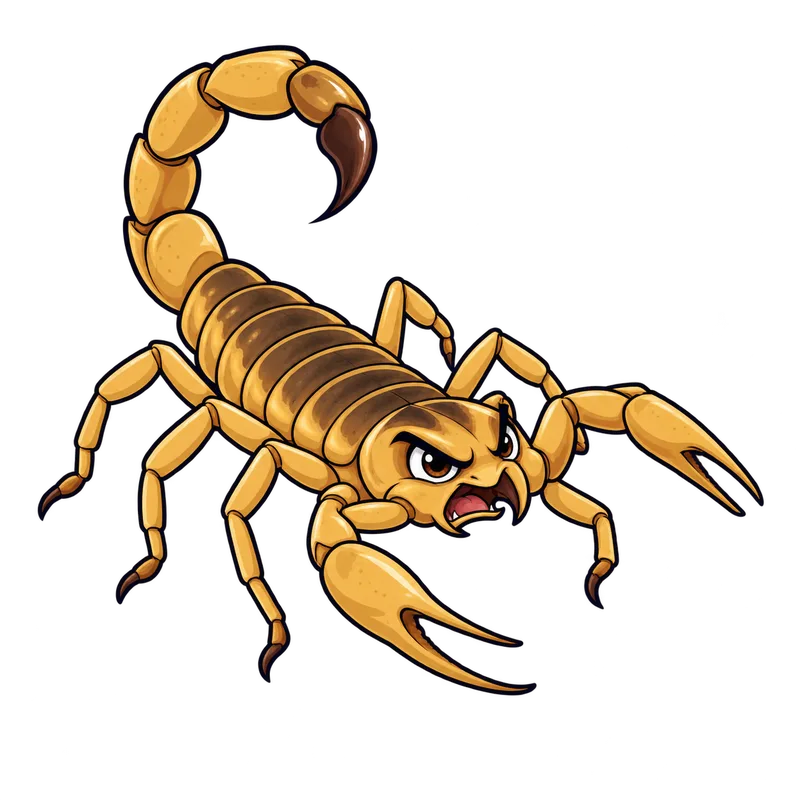
Arizona bark scorpion venom is dangerous because potent neurotoxins scramble how nerves fire, triggering wild muscle twitching, drooling, and erratic eye movements. The danger level depends heavily on age, with young children under five facing a severe risk of neurological distress that requires emergency medical care and antivenom.
What is actually going on
Picture walking down your dimly lit hallway in Phoenix around midnight, barefoot, and suddenly stepping on something that feels like a hot needle driven straight into your heel. You flick on the light, expecting to see a crushed bee or at least a swollen red welt. Instead, you find nothing. The skin looks entirely normal, yet the burning pain is climbing up your ankle like fire. That ghost burn is the calling card of the Arizona bark scorpion, and it catches people off guard because the venom does not act like a typical insect sting.
While most bark scorpion stings in healthy adults produce intense local pain and numbness that fade with basic first aid, envenomation by the Arizona bark scorpion packs a very different punch. The venom contains potent neurotoxins that scramble how your nerves fire. Instead of staying local, these toxins trigger a systemic crisis across your nervous system. In plain terms, it causes a simultaneous storm in both the sympathetic and parasympathetic systems. Your body goes into overdrive, leading to wild muscle twitching, drooling, trouble swallowing, and erratic eye movements.
The danger level depends heavily on who gets stung and where. In healthy adults, the reaction usually stays confined to the limb, feeling like an uncomfortably severe sunburn. But for young children under the age of five, the math changes completely. Because a toddler has a much smaller body mass, the same amount of venom delivers a far heavier internal dose. They are the ones who can quickly spiral into severe neurological distress, requiring emergency medical care and antivenom to calm the nervous system down.
How to tell for sure
Figuring out what just happened usually starts with knowing your geography, because not all bark scorpions are created equal. If you are living across parts of Texas, Oklahoma, or Missouri, you might run into the striped bark scorpion. Its sting usually results in a sharp sting and a red welt, much like a wasp, and systemic neurotoxicity does not happen. But if you are in Arizona, southern Nevada, or parts of the New Mexico desert, you are dealing with the Arizona bark scorpion, which is the only species in North America whose venom regularly causes severe systemic neurotoxicity.
When you are trying to identify the culprit at home, you will usually just see a slender, pale tan or yellowish scorpion, typically one and a half to three inches long, scurrying along a baseboard or hiding in a shoe. If someone has been stung, you can usually look for specific clues. A mild to moderate sting brings intense burning pain and hyperesthesia, which means the skin feels hyper-sensitive. Doctors use a simple tap test for this. If tapping lightly on the sting site causes a sharp, disproportionate jolt of pain, that points right to a bark scorpion.
You usually can not rely on visual marks on the skin because, unlike a brown recluse bite or a bee sting, bark scorpions rarely leave visible swelling or tissue damage. If the reaction is staying mild, you will notice pain and tingling confined to the limb. If it is escalating into a systemic envenomation, you will typically see symptoms remote from the sting site within thirty to ninety minutes. This includes restlessness, uncontrollable muscle shaking, roving or darting eye movements, and excessive drooling or trouble managing saliva.
What usually comes next
When an adult takes a hit in a region known for dangerous species, the immediate question usually comes down to whether to wait it out on the couch or head straight for the emergency room. For a mild sting where the discomfort stays right where the tail struck and you can still swallow and move your fingers or toes without trouble, basic first aid is usually enough. Wash the skin with plain soap and water, put a cool compress on the spot for ten to fifteen minutes every hour to dull the burn, and prop the limb up. Over-the-counter pain relievers can take the edge off, but you should still dial your local Poison Control center to talk through the symptoms with someone who knows what to look for.
That wait and see approach goes right out the window when the victim is a small child or when strange symptoms start popping up. A parent staring at a crying toddler who just tangled with a scorpion does not have the luxury of guessing. If a young kid takes a sting, or if a grown-up starts showing those red-flag neurological signs like slurred speech, jerking limbs, or eyes darting around the room, home remedies are entirely off the table.
You also need to ignore the old wives' tales that still float around the internet. Never slice open the skin, never try to suck the venom out with your mouth or a suction tool, and keep ice away from direct contact with the flesh since extreme cold can damage the tissue further. Antivenom is the gold standard for severe systemic cases, turning what used to be a terrifying multi-day stay in intensive care into a remarkably fast turnaround, but it belongs exclusively in the hands of medical professionals in a hospital setting.
When to get help
Knowing the exact moment to pack up and head for the hospital can keep a scary household accident from turning into a real emergency. You need to call for an ambulance or drive straight to the nearest emergency department if the person who got stung is under five years old, an older adult with a history of heart trouble, or anyone showing signs of that nervous system overload we talked about.
Keep a close eye on the victim for specific red flags that demand an urgent trip. If the person starts experiencing involuntary muscle twitching or jerking in their arms and legs, that points straight to severe nervous system stimulation. If their eyes begin darting or rolling around on their own, or if they start drooling heavily because their throat muscles refuse to cooperate, those are classic warnings of cranial nerve trouble. Any sign of trouble breathing, wheezing, or a harsh, high-pitched sound when inhaling means you need professional medical help right this second.
Hospital teams in areas where these scorpions live manage severe reactions using specialized antivenom that neutralizes the circulating neurotoxins in short order. If you ever find yourself sitting at the kitchen table wondering if a sting warrants a midnight hospital run, calling Poison Control puts you on the phone with specialists who can triage your exact situation and give you a straight answer on whether to stay put or hit the highway.