
Are bark scorpions found in Texas?
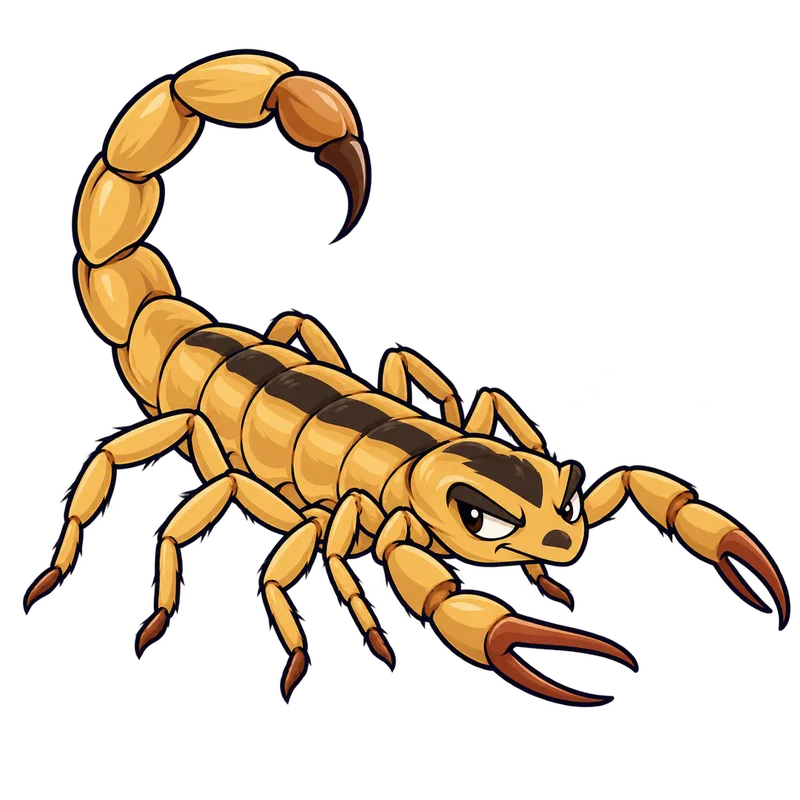
Yes, bark scorpions of the genus Centruroides are definitely found in Texas. The striped bark scorpion lives across most of the state, thriving in everything from suburban yards to rocky outcrops. They grow to about two and a half inches in total length with a pale yellow to brown body.
What is actually going on
You are standing in the kitchen late at night, barefoot, pouring a glass of water when you flick on the overhead light. Down by the baseboard, scurrying toward the gap under the pantry door, is a slender creature with an arched tail and long, thin pincers. If that happened in Texas, you are likely looking at a bark scorpion, and your immediate instinct is probably to wonder if you need to pack your bags or call an ambulance.
Yes, bark scorpions of the genus Centruroides are definitely found in Texas. In fact, the striped bark scorpion, known scientifically as Centruroides vittatus, is right at home across most of the state. They are native to the southwestern United States and thrive in everything from suburban yards in Central Texas to rocky outcrops in the western part of the state.
You might hear the term bark scorpion and instantly think of the notorious Arizona bark scorpion, which frequently makes headlines for its potent neurotoxic venom. That is a completely fair concern, but it helps to separate reputation from geography. The Arizona species is concentrated primarily in its namesake state and surrounding deserts, whereas the Texas striped bark scorpion has a much milder venom profile. While its sting packs an immediate, sharp punch, it rarely causes the dramatic systemic emergencies associated with its western cousin.
Why do they end up inside houses anyway? Scorpions have a natural behavioral tendency called thigmotaxis, which means they prefer to keep their bodies pressed against solid surfaces. When they move through your home, they are not plotting an ambush. They are simply sliding along baseboards, squeezing through tight wall cracks, and hugging the edges of rooms because it makes them feel secure from predators.
How to tell for sure
If you spot one on your living room floor, confirmation comes down to a few distinct physical traits you can usually spot without needing a microscope. The striped bark scorpion typically grows to about two and a half inches in total length, featuring a slender, pale yellow-to-brown body. Look closely at the top of its head, and you will usually see a dark triangular mark over the eye area, accompanied by two dark parallel stripes running down the length of its back.
A common doubt people raise is whether they might be looking at a harmless bug or a different kind of arachnid altogether. Homeowners frequently mistake wind scorpions, also known as camel spiders, for actual scorpions. Camel spiders have large pincer-like mouthparts, but they completely lack venom glands and stingers, meaning they are entirely harmless. True scorpions always carry that segmented tail ending in a bulbous stinger.
If you want to play detective after dark, you can use an ultraviolet blacklight flashlight. The exoskeleton of a bark scorpion contains compounds that make it fluoresce a bright neon yellow-green under UV light. Sweeping a blacklight along your exterior foundation or dark basement corners transforms them into glowing green beacons against the dark background.
What usually comes next
Finding a scorpion indoors usually triggers a rush to empty every can of bug spray in the garage, but chemical treatments alone rarely solve the underlying issue. Your most practical decision is whether to focus on physical exclusion or call in professional help. If you see just one or two individuals, the situation usually calls for habitat modification rather than an emergency extermination.
Start by sealing the obvious entry points. Install sturdy door sweeps that firmly contact your thresholds, check the weatherstripping around exterior doors, and caulk utility pipe penetrations and weep holes. Outside, pull woodpiles, heavy brush, and loose stone stacks away from your home foundation, as these serve as prime daytime hiding spots.
When you encounter a single scorpion indoors, you do not need to panic or smash it with a heavy boot. You can safely capture it by placing a wide-mouth glass jar or a clear plastic container directly over the animal, sliding a stiff piece of cardboard underneath the rim, and flipping the container over. That allows you to carry it outside and release it far away from your back door without risking a sting or spraying chemical residues across your kitchen floor.
When to get help
While most Texas striped bark scorpion stings result in localized pain, a red welt, and minor numbness that fades within fifteen to twenty minutes, certain situations demand immediate medical intervention. If you or someone in your home gets stung, basic first aid involves washing the site thoroughly with soap and water, applying a cool compress for ten to fifteen minutes, elevating the limb, and taking an over-the-counter pain reliever if needed.
Call your regional Poison Control Center right away for professional guidance on monitoring the symptoms. Never cut the skin, attempt to suck out venom, or apply a tourniquet, as those traditional home remedies only worsen tissue damage.
You need to bypass home care and seek emergency medical attention or call nine-one-one immediately if red-flag symptoms appear. These include cranial nerve dysfunction such as uncontrollable roving eye movements, blurred vision, slurred speech, excessive drooling, or difficulty swallowing. Somatic neuromuscular issues like severe muscle twitching, body jerking, or respiratory distress also require emergency care. High-risk groups, including children under five years of age, elderly adults, and anyone showing signs of a severe allergic reaction like facial swelling or throat tightness, must be evaluated by a qualified clinician without delay.