
Carpenter ant frass vs termite frass: what is different?
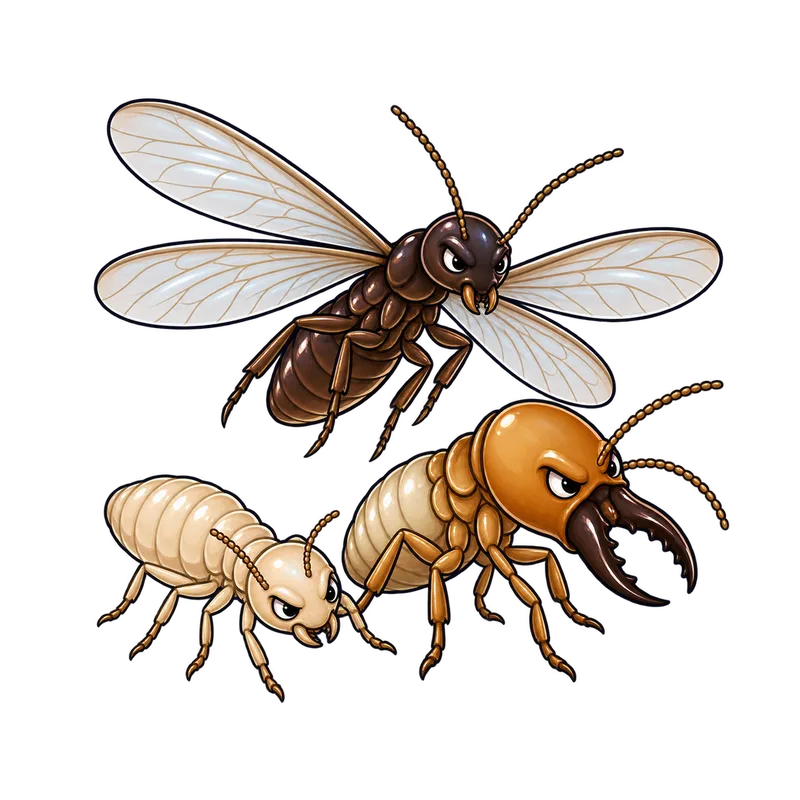
Carpenter ant frass is a messy pile of raw wood shavings and insect parts because those ants do not digest timber. Drywood termite frass consists of hard, uniform, six-sided pellets that look like tiny sand grains because those termites actually digest wood. Subterranean termites leave no loose frass, using liquid waste and soil for mud tubes instead.
What is actually going on
You are sweeping the floor near the basement stairs and spot a tiny pile of debris that was not there last week. Your first thought is that someone left behind a bit of sawdust from a weekend project. Your second thought, usually accompanied by a drop in your stomach, is that something inside the house is eating the framing.
The short answer comes down to what the insects are doing with the timber. Carpenter ant frass is not waste at all. It is a messy pile of raw wood shavings, fibrous dust, and discarded insect parts. Termite frass, on the other hand, is actual fecal material. Drywood termites drop hard, uniform, six-sided pellets that look like tiny sand grains. Subterranean termites leave no loose dry frass at all, using liquid waste mixed with soil to build mud tubes over foundation walls.
Why is there such a massive difference in what they leave behind? It boils down to biology. Carpenter ants do not eat wood. They chew through structural timber strictly to hollow out room for their growing colony. Because the wood never passes through their gut, the fibers come out shredded and dry, much like the shavings from a pencil sharpener. As the ants clean their gallery walls, they push these shavings out of narrow openings, along with the remains of dead ants.
Termites actually digest wood cellulose for food. Drywood termites live inside structural timber with very low moisture content. To survive in an arid environment, their bodies extract every possible drop of water from their food before expelling it. Muscular pads in their hindgut compress the waste, shaping each pellet into a tiny barrel with six indented sides. Subterranean termites take a completely different path. They nest below ground, require constant humidity, and turn their liquid waste and soil into earthen mud tracks to protect themselves while foraging above ground.
How to tell for sure
If you scoop up a small sample of the mystery pile, a few basic details will point you in the right direction. Carpenter ant debris looks like a mini construction scrap heap. You will usually see light-colored, fibrous wood shavings mixed with dark, crushed insect parts like ant legs or mandibles. The pile is irregular and flakes apart easily when disturbed.
Drywood termite frass looks almost manufactured. It consists of hard, elongated pellets that are uniform in size and shape. Each pellet features six concave, indented sides. Their color ranges from light cream to dark brown. Because these pellets are dry and hard, they roll easily between your fingers like coarse sand.
If you suspect wood-boring beetles instead, a quick tactile test clears up the confusion. True powderpost beetle dust feels silky and smooth, like baking flour. Anobiid beetle frass feels gritty, similar to fine cornmeal, because it contains tiny oval pellets. False powderpost beetle waste feels coarse and powdery, reminiscent of dry laundry detergent.
You can also learn a lot by looking at the wood surface directly above the pile. Drywood termites push their pellets out through small, round kick-out holes. Carpenter ants discard their refuse through narrow, elongated window slits carved into the timber. If you happen to open a piece of damaged wood, carpenter ant galleries are sandpaper-smooth and immaculately clean. Drywood termite galleries are also clean, though you may find loose pellets in corners. Subterranean termite galleries run strictly along the soft wood grain, and the walls are plastered with soil and dark fecal spots.
What usually comes next
Before jumping to conclusions or calling for emergency treatments, you need to verify whether the debris represents an active colony or just old history. Drywood termite pellets are remarkably durable. They can sit trapped inside wall cavities for years after an infestation has died, only to sift out through a crack in the baseboard when someone slams a door.
To test for active excavation, sweep or vacuum up the existing pile completely. Wipe the wood surface clean, tape a sheet of dark paper directly underneath the suspected exit point, and leave it alone for a few days. If fresh wood shavings or geometric pellets land on the paper during that window, you have an active infestation that is currently expanding its galleries.
Keep in mind that gallery overlap occasionally creates confusing evidence. Carpenter ants are opportunistic nesters and frequently move into vacant galleries left behind by termites. When the ants clean house, they dump old termite pellets out of the wall alongside their own freshly shredded wood shavings, producing a bizarre mixed pile.
While evaluating the situation, you can take practical steps to make your home less appealing to wood-destroying insects. Eliminate direct wood-to-soil contact everywhere around the exterior perimeter. Fix plumbing drips and roof leaks, as moisture softens wood and attracts carpenter ant queens. Store firewood away from the foundation, elevated off the ground.
When to get help
Finding active termite frass or subterranean mud tracks generally means it is time to involve a licensed pest control professional. Subterranean and drywood termite control usually requires specialized equipment, termiticide soil barriers, or structural fumigation that go well beyond household do-it-yourself options.
Take time to check the structural integrity of any compromised timber. Firmly tap exposed joists or window frames with the plastic handle of a screwdriver. Healthy wood produces a solid thud. If the wood sounds hollow, gives way under light finger pressure, or shows visible sagging along structural beams, the load-bearing capacity has been damaged. Structural timbers that have lost significant strength must be reinforced or replaced by a qualified contractor.
Safety should always dictate your choices around chemical treatments. Never attempt to mix, apply, or improvise with commercial-grade restricted-use termiticides. Always read and follow product labels to the letter, as misapplication can compromise indoor air quality or contaminate local soil and groundwater.
Health boundaries are equally important. Never attempt to diagnose bites, skin rashes, or sudden allergic reactions based on an insect sighting in the house. If anyone exhibits skin symptoms or systemic illness, consult a medical doctor or contact a regional poison control center right away. Finally, if you discover protected wildlife occupying the same structural space as the wood-destroying insects, consult your state or regional wildlife agency before initiating any pest control or structural repairs.
Recognizing the clear differences between raw wood shavings and hard fecal pellets takes the guesswork out of structural pest signs. Once you know whether you are looking at carpenter ant waste, drywood termite drops, or mud tracks, you can test for active movement, address moisture issues, and make an informed choice about calling in a professional.