
How do you get rid of silverfish in the house?
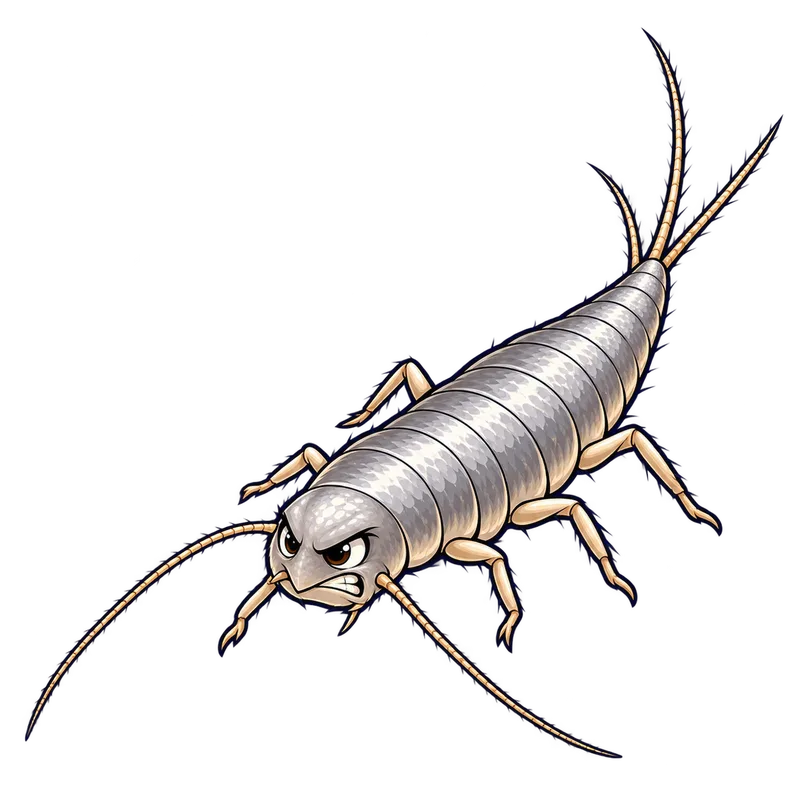
To get rid of silverfish in the house, you have to combine environmental dehumidification by keeping relative humidity below 50% with targeted sanitation and crack-and-crevice treatments like desiccant dusts or micro-spotted gel baits. Your best move depends entirely on where you find the bugs and how humid your air actually is.
What is actually going on
You stumble into the bathroom at two in the morning for a glass of water, flip on the overhead light, and catch a flash of metallic gray darting across the cold tile before it vanishes underneath the baseboard. That quick, wiggling streak is a silverfish, and seeing one usually means your house is offering it exactly what it wants, which is moisture and a quiet place to hide. To get rid of silverfish in the house for good, you have to combine environmental dehumidification by keeping relative humidity below 50% with targeted sanitation and crack-and-crevice treatments like desiccant dusts or micro-spotted gel baits.
Lowering the humidity halts their reproduction and makes it hard for them to survive, while physical and chemical measures wipe out the populations already tucked away inside your walls. Silverfish are primitive, wingless insects that have been around for millions of years, and they are built to exploit damp, undisturbed microclimates. Common silverfish need relative humidity levels between 75% and 95% to thrive and multiply. When you drop that moisture level down consistently below 50%, their populations dry out, struggle, and eventually die off or move elsewhere.
Relying on a single spray or a bug bomb from the grocery store almost never works because it fails to fix the underlying climate that drew them in. Silverfish can live for several years and go through numerous molts throughout their long lives, meaning a quick knockdown leaves plenty of hidden eggs and nymphs ready to take over. You have to think of pest control here as a three-part operation involving moisture control, cleaning out their favorite hiding spots, and applying targeted treatments directly into their harborages.
Silverfish are usually easy to recognize once you get a good look at them, but it helps to know which variety you are dealing with because their habits differ slightly. The common silverfish is about 7 to 10 mm long, featuring a carrot-shaped body that tapers toward the rear and a uniform, metallic silvery-gray sheen that looks almost like polished steel. They move with a distinct, fish-like wriggling motion, which is why people sometimes call them fishmoths or bristletails due to the three prominent tail-like filaments sticking out from their rear ends.
If you are finding pests in a hot, dry living room or bedroom rather than a damp basement, you might be dealing with the gray or long-tailed silverfish instead. Gray silverfish grow a bit larger, up to 20 mm, and have a darker, less shiny body with much longer antennae and tail filaments. They are notably more resistant to dry indoor air and have become common in modern, centrally heated homes across North America and Europe. On the other hand, if you find insects clustering near boiler rooms, hot water pipes, or furnace ducts where temperatures exceed 90 degrees Fahrenheit, you are usually looking at firebrats, which have a mottled gray and brown body without the metallic silver shine.
People often worry that silverfish will chew through structural timber or bite members of the household, but both fears are usually misplaced. Silverfish lack chewing mouthparts capable of piercing human skin, and they do not bite or transmit diseases. Furthermore, they cannot digest wood, so your house framing and structural timbers are at zero risk. Instead, they graze on starches, dextrins, and cellulose, targeting glazed paper, bookbindings, wallpaper paste, starched cottons, and unsealed food staples like flour and cereal in damp pantries.
How to tell for sure
Once you have pinned down the pest and know you are dealing with silverfish instead of something that eats wood, you have a straightforward choice to make. You can focus first on drying out the house, or you can go straight for targeted baits and dusts. If your basement feels like a swamp, your crawlspace smells like old rain, or your bathroom pipes sweat so much the wallpaper is peeling, you need dehumidifiers and a plumber before you buy a single bug trap. Pumping chemicals into a permanently damp wall is like bailing out a sinking boat with a slotted spoon while the hull is still wide open.
On the other hand, if your house is bone dry and modern yet you still spot these metallic cruisers crossing the bedroom floor, running a dehumidifier is a waste of electricity. In that drier setting, you need to clean out old cardboard storage boxes that trap moisture and grow hidden mold, and then put down specialized gel baits or desiccant dusts right where the bugs hide behind baseboards and in tight wall cracks. Puffing a microscopic layer of a drying dust into a dry cavity ruins the waxy outer armor of the insect and dries it right out, while little dots of gel bait draw them in where they live.
Your best move depends entirely on where you find the bugs and how humid your air actually is. Spraying skirting boards in a wet cellar without dropping the room humidity solves nothing, just as buying an expensive machine for a dry second-floor bedroom will not touch pests thriving in a warm utility chase. Match your steps to the actual climate of the room you are standing in.
What usually comes next
Sometimes a weekend DIY project runs out of steam and you have to hand the keys over to someone who does this for a living. You should call a licensed pest professional if your silverfish problem drags on for months despite your best efforts at drying the air, cleaning up, and laying bait, which usually hints at a massive, hidden breeding colony tucked away inside subfloor cavities or inaccessible walls. Commercial buildings, schools, hospitals, and historic libraries or archives holding rare paper collections also need trained technicians who follow strict, regulated pest management rules.
When you are protecting old books or museum archives, never splash liquid bug spray or store-bought powders directly onto the paper, because those chemicals leave permanent stains and break down the fibers. Those delicate items need specialized care from experts who use non-chemical methods like deep freezing or low-oxygen chambers to stop the damage.
When to get help
Regarding health concerns, silverfish do not bite or spread nasty germs, but their shed skins, scales, and droppings pile up in household dust and carry proteins that trigger allergies. Those tiny fragments can spark allergic reactions and asthma flare-ups in sensitive people because they share proteins with common indoor triggers like dust mites and cockroaches. If anyone in your house deals with ongoing breathing trouble, wheezing, or bad allergy symptoms, talk to a doctor or an allergy specialist to figure out what is going on. Finally, if someone swallows a pesticide, gets it in their eyes, or spills it on their skin during a treatment, call poison control or emergency services right away.