
What are silverfish attracted to?
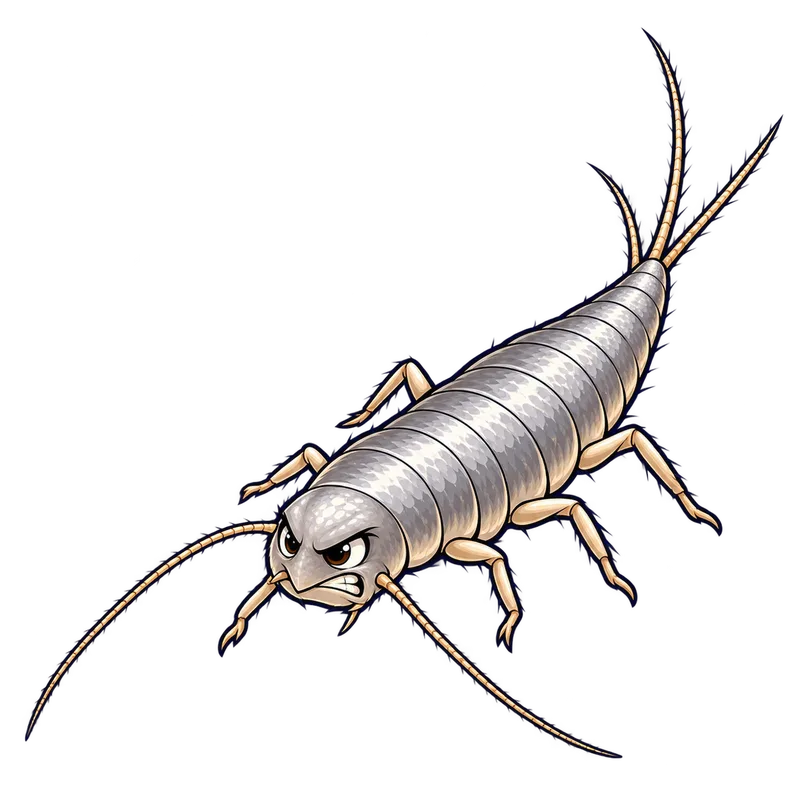
Common silverfish are attracted primarily to high moisture levels and carbohydrates rich in starches, dextrin, and cellulose. They require relative humidity levels between 75% and 95% to survive, drawing them to damp areas like basements and bathrooms where they feed on items like old cardboard boxes, paper, and high-protein debris.
What is actually going on
You wander down to the basement on a Tuesday morning to swap out a load of laundry, flick on the light switch, and spot a flat, silvery creature wriggling across the concrete floor like a drop of liquid mercury before darting beneath an old stack of cardboard boxes. Naturally, your first thought is what on earth drew it to that exact damp corner of your house.
Silverfish are not randomly wandering your home because they enjoy your company. They are driven by a strict survival checklist where moisture sits at the very top. Common silverfish lack a proper waterproof outer layer on their bodies, meaning dry indoor air dehydrates them rapidly. They require relative humidity levels between 75% and 95% to stay alive and reproduce, which is why you find them hiding in damp basements, crawlspaces, bathrooms, and underneath kitchen sinks. If the air in your home is bone dry, they simply cannot survive.
Once they find a suitably humid microhabitat, their attention shifts squarely to food. Silverfish have a specialized digestive system that allows them to produce their own cellulase enzymes in the midgut. This biochemical trick draws them straight to carbohydrates rich in starches, dextrin, and cellulose. To a silverfish, an old cardboard box sitting on a damp concrete floor is not just trash, it is a giant, slow-dissolving snack bar made of compressed wood fiber and starch glues.
Beyond starches, they are also avid scavengers of high-protein snacks and microscopic debris. They will graze on dead insects, shed hair, human dandruff, animal glues, and the gelatin sizing found in old bookbindings and photographs. Furthermore, they are guided by chemical cues left behind by their peers. Fecal deposits contain microbial metabolites that act as an arrestment signal, telling other silverfish that a particular dark crevice is safe, humid, and full of food.
Spotting a fast-moving, shiny bug at night usually points straight to a silverfish, but a few quick physical checks will confirm it. Adult silverfish measure between 7 and 20 mm in length, feature a flat, teardrop-shaped body, and possess three distinct bristle-like appendages sticking out of their rear end. They move in a characteristic, rapid, wiggling motion that looks remarkably like a fish swimming through grass.
You will usually want to figure out which specific type you are dealing with, because their preferences vary wildly. The common silverfish loves cool, damp surroundings like cellars and bathrooms. The grey silverfish grows slightly larger, features a mottled grey coat, and possesses a much higher tolerance for dry indoor air, meaning it can show up in heated living rooms, multi-story offices, and dry paper archives. The firebrat, on the other hand, is built like a furnace dweller, preferring scorching temperatures above 32 degrees Celsius near boilers, steam pipes, and ovens.
People often confuse silverfish with booklice or carpet beetle larvae, but the damage they leave behind tells a different story. Silverfish have chewing mouthparts designed for scraping. They leave behind a distinctive surface etching, notched edges on paper sheets, and small, irregular, lace-like holes. They do not bore deep, round exit holes into solid wood like furniture beetles, nor do they consume synthetic polyester or nylon clothing unless those fabrics are stained with food or coated in starch.
How to tell for sure
Once you figure out what brings them in, the best move you can make is to lower the moisture in the air inside your home below 50% by running air conditioning units or setting up dehumidifiers. Spraying chemicals or treating surfaces only gives you a short break if the dampness underneath is still there. When you take away that heavy moisture, you completely stall their breeding cycle, and the population usually dies down in a matter of weeks.
Bringing down the humidity alongside sealing up entry points makes your house a lot less welcoming. Put old paperwork, photo albums, and starched clothes in airtight plastic bins up on metal shelves instead of leaving them in cardboard boxes right on the basement floor. Caulking the gaps around baseboards and utility pipes also blocks the dark hiding spots they use during the day. Taking away both the moisture and the starchy hiding places leaves them nowhere to go.
What usually comes next
You can handle most household flare-ups by changing the environment, but some spots need an extra push. If you have dropped the indoor moisture and plugged up the gaps, yet still deal with a stubborn crowd, you should call a pest control expert. This counts double for newer offices or multi-story buildings dealing with grey silverfish, which call for targeted baits instead of standard cleaning.
Businesses that handle food and have strict zero-tolerance rules should skip the homemade fixes when pests show up. Also, even though silverfish do not bite, sting, or carry diseases, their cast-off skins and droppings are full of allergens that act a lot like cockroach and dust mite triggers. If you or someone living with you gets stuffy noses, coughing fits, or sudden asthma flare-ups near infested rooms, go see a doctor or allergist right away for advice.
When to get help
When you are stuck with stubborn bugs that ignore simple home fixes, or when you are dealing with a tricky commercial building, certain situations call for expert eyes. If drying out the air and sealing the gaps does not work, or if you run a multi-story property with grey silverfish, a professional assessment keeps you from wasting time and unneeded chemicals.
Medical help is just as important when allergies start acting up. Because their discarded skins and waste carry tiny airborne proteins that can cause breathing trouble for sensitive people, anyone dealing with ongoing asthma or bad allergic reactions around these bugs needs to talk to a healthcare professional right away.