
Why are silverfish found in cardboard boxes?
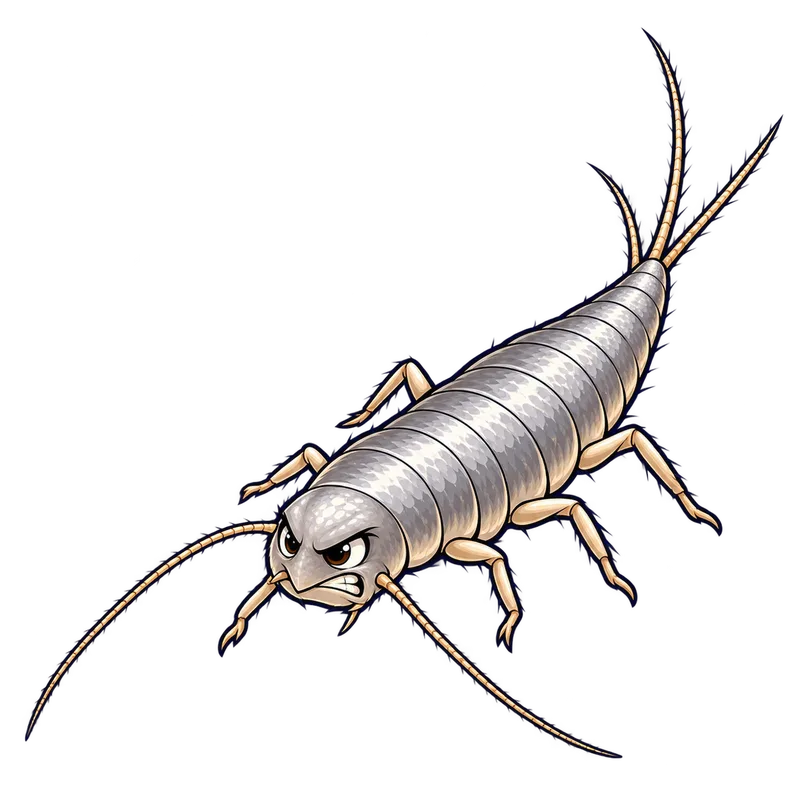
Silverfish are found in cardboard boxes because the material provides a dark hiding spot, a source of moisture, and starch adhesives that the insects eat. They can digest the plant fibers directly using a specialized enzyme called cellulase. The boxes also absorb water vapor from humid air, creating a damp microclimate that supports microscopic mold for extra food.
What is actually going on
You head down to the basement to grab an old box of holiday decorations, pull it off the floor, and notice a few flat, silvery insects scurrying away from the damp cardboard flaps. It is a startling little welcome party, and it makes you wonder why they picked that specific container out of everything in the room.
Silverfish are not just camping out in your cardboard boxes by accident. They are actually checking into a fully catered resort that meets every single one of their biological needs at once. Corrugated cardboard gives them a place to hide, a reliable source of moisture, and a steady supply of food. The fluted paper sheets inside the box are held together by starch and dextrin adhesives, which happen to be a favorite meal for these insects.
What surprises most people is that silverfish do not just gnaw on the glue out of desperation. They can actually digest the plant fibers of the cardboard directly because their midgut produces a specialized enzyme called cellulase. Most household pests cannot break down cellulose on their own, but silverfish manage it easily. Add in the fact that cardboard is hygroscopic, meaning it absorbs water vapor from the humid air around it, and you get a damp little micro-climate that keeps the bugs hydrated and encourages microscopic mold to grow on the paper.
That mold acts as an extra protein course for the silverfish and their tiny neighbors, booklice. Because silverfish naturally avoid light and love tight, narrow spaces, the interior folds and corrugated channels of a storage box provide the ultimate dark, undisturbed harborage where a population can quietly expand over several months without you ever knowing.
How to tell for sure
When you spot a pest near your stored belongings, it helps to know what you are actually looking at before you do anything drastic. Common silverfish usually measure about 7 to 15 mm in length, featuring a flattened, carrot-shaped body covered in shiny, silvery-metallic scales. They move with a distinct wiggling motion and have long antennae at the front along with three tail-like filaments at the rear.
You might also run into a few look-alikes inside or around those boxes. Booklice are tiny, pale, wingless insects measuring only 1 to 2 mm, and they usually show up when the cardboard is damp enough to grow microscopic mold. Springtails are another possibility, and you will usually know them because they jump when disturbed. If you see small, furry larvae with bristly hairs, those are usually carpet beetle larvae feeding on protein debris rather than the pure cellulose of the box.
It is also worth noting that not all silverfish are alike. While the common silverfish prefers cool, damp basements and high relative humidity, the grey silverfish is larger, has a mottled gray pattern, and handles central heating and drier indoor environments quite well. Finding silverfish near a hot water heater or furnace room usually points to firebrats, which love high temperatures. When you want to confirm a specific species down to the scientific name, you usually need a professional with a 10x hand lens or laboratory magnification, but for everyday household management, recognizing the general shape and habits is usually enough to guide your next steps.
What usually comes next
Once you realize the cardboard boxes are acting as an insect incubator, the most practical decision you can make is to change how and where you store your belongings. Moving everything out of cardboard and into heavy-duty plastic storage bins with tight-fitting lids cuts off their food supply and blocks out moisture completely.
If you want to stop silverfish from breeding, you need to look at the broader environment of your storage space. Common silverfish need high relative humidity to reproduce, and lowering that moisture level changes the whole equation. Setting up a dehumidifier to keep indoor relative humidity below 50 percent stops silverfish from breeding and will actually kill off co-habitating booklice within a couple of weeks.
You should also get your storage containers up off concrete basement floors by using metal or plastic shelving, which keeps the bins away from rising dampness. Vacuuming baseboards and storage corners regularly with a vacuum cleaner that uses a fine filter removes dust, mold, and cast-off skins that these insects rely on. If you decide to use chemical controls like desiccant dusts or targeted baits, remember that all pesticide applications must strictly follow the directions on the product label. Never apply chemicals in a way that contradicts the label, and keep in mind that sprays alone will not fix the problem permanently if the surrounding air stays damp.
When to get help
While silverfish are mostly a nuisance that nibbles on paper and starches rather than biting humans or spreading disease, heavy infestations can still cause problems. Their shed skins, dead bodies, and droppings can trigger allergies or aggravate asthma in sensitive people living in the house.
You should consider bringing in a professional pest control service if your indoor population remains high or keeps returning despite your best efforts to lower the humidity and clear out old cardboard. Professional help is also the right call for commercial facilities, warehouses, museums, or archives where valuable paper collections are at risk and standard treatments cannot be used. If you or anyone in your household experiences unexplained skin rashes, severe respiratory distress, or other health concerns, reach out to a primary care clinician, urgent care, or a poison control center right away.