
What should you do after finding a tick on a pet?
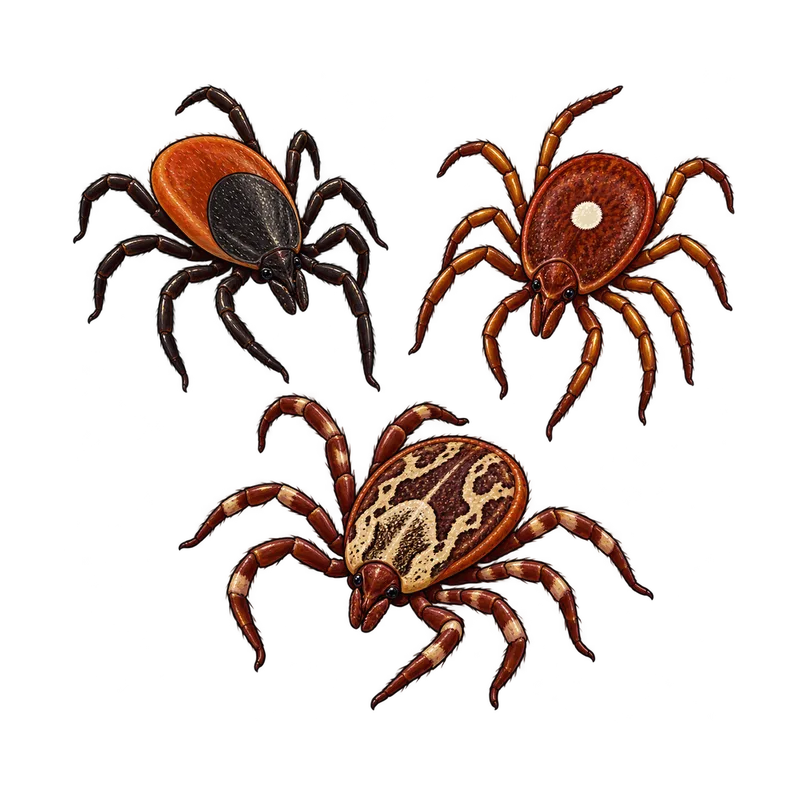
After finding an attached tick on a pet, perform a calm mechanical extraction to stop the feeding before pathogens can transfer. Grab the tick around the mouthparts as close to the skin as possible using fine-tipped tweezers, and pull straight up with a steady motion. Avoid folk remedies like petroleum jelly, and wash the bite spot thoroughly with warm soapy water or rubbing alcohol afterward.
What is actually going on
You are standing in the kitchen, running your fingers through your dog's golden fur behind the ear, when your thumb catches on a strange, stubborn bump. You part the hair under a warm desk lamp and find a tiny, greyish-red sphere anchored firmly to the skin, its legs kicking faintly in the air. Finding an attached tick on a pet is an unsettling moment, but reaching for a bottle of matches or a tub of petroleum jelly will only make things worse. The immediate priority is a calm, controlled mechanical extraction to stop the feeding before pathogens have a chance to transfer into your animal.
Ticks are not insects that bite and run. They are arachnids that secure themselves to the host epidermis by secreting an adhesive cement plug during the first few minutes of feeding, while driving a barbed mouthpart known as the hypostome deep into the dermis. This biological anchoring system is why folk remedies fail so completely. Smothering the tick with nail polish, alcohol, or grease, or touching it with a hot match head, panics the parasite. Instead of backing out, a distressed tick responds by regurgitating its midgut contents and salivary fluids straight into your pet's bloodstream, which actually accelerates the delivery of any bacteria or viruses it carries.
The clock matters a great deal here, though different threats move at very different speeds. Bacterial agents like the ones responsible for Lyme disease usually require twenty-four to forty-eight hours of continuous blood feeding before they can multiply and migrate from the tick midgut to the salivary glands. Viral pathogens, on the other hand, can transmit in as little as fifteen to thirty minutes because they already sit waiting in the salivary tissues. This means an established tick needs prompt removal regardless of how long you think it has been there, but panicking over a minute-old encounter is rarely productive.
How to tell for sure
Before you start pulling, you need to make sure you are actually looking at a tick and not something else entirely. Unfed adult ticks usually measure about five to seven millimeters, roughly the size of an apple seed, while tiny nymphs can look like little more than a stray poppy seed clinging to the skin. As a female hard tick feeds, her elastic body expands up to one hundred times its original unfed weight, turning a flat, seed-like creature into a swollen, dark sphere that can completely obscure its normal diagnostic markings.
People often confuse ticks with household insects like bed bugs, but the differences are plain to see if you look closely. Ticks are arachnids with eight legs in their nymph and adult stages, and they lack antennae entirely. Bed bugs are six-legged insects with distinct heads, segmented bodies, and four-part antennae that feed quickly at night and never anchor themselves permanently into the skin. If you find a small bug crawling on your pet after a walk, it usually falls off on its own after a quick meal, whereas an attached tick stays put for days until it is completely engorged or physically removed.
You should usually rely on physical position rather than complicated guesswork when checking your pet. Ticks tend to gravitate toward warm, hidden areas with thin skin, such as around the ears, under the collar, between the toes, and in the groin folds. When you spot one, grab a pair of fine-tipped tweezers rather than broad household tools that might crush the body.
What usually comes next
The only sensible next step is to get the tick out mechanically and clean the spot thoroughly. Place the fine tips of your tweezers as close to the skin as you can, grabbing firmly around the mouthparts instead of the bloated belly. Pull straight up with a slow, even, steady pull. Avoid twisting, jerking, or rocking the tool, since twisting is exactly what snaps the mouthparts off and leaves tiny pieces stuck in the skin.
Once the tick is out, wash the bite spot and your hands with rubbing alcohol, iodine scrub, or warm soapy water. If a tiny speck of the mouthpart stays stuck in the skin, do not go digging at it with a sewing needle. Treat it like an ordinary splinter, leave it alone, and the skin will naturally push it out over time. Drop the tick into a sealed baggie or a small jar with a damp paper towel if you want to keep it to show someone, but forget about those mail-in testing kits. Finding germ DNA inside a tick does not prove that an infection actually made the jump into your pet, and waiting around for mail results just delays real veterinary care.
You will also want to keep a close eye on your animal for the next two to four weeks. Watch for unusual tiredness, stiffness, joint swelling, or a fever. A critical warning applies if you have both cats and dogs under the same roof: never treat a cat with dog flea drops or spot-on treatments that contain permethrin. What protects a dog from parasites can trigger severe tremors, seizures, and even death in cats.
When to get help
Most tick encounters turn out fine after a careful removal, but certain red flags mean you need to call the vet right away. If your pet starts walking wobbly, shows weakness in the back legs, has a droopy face, or struggles to breathe within a couple of weeks of a bite, get to a clinic immediately. In places like eastern Australia, long feeds by paralysis ticks can pump powerful nerve poisons into the animal and cause fast, worsening muscle failure.
You should also check in with a vet if your animal shows overall signs of a tick-transmitted illness, such as a high fever, sudden disinterest in food, dark urine, or swollen joints. A veterinarian can run proper blood tests and hand over the right medications, such as specific prescription parasite killers or antibiotics, based on examining a living patient instead of guessing from a dead bug.
Environmental issues can also mean you need backup. If you find your house or kennel overrun by brown dog ticks that have settled in and started breeding indoors, a licensed pest control operator can set up proper treatment barriers. On the other hand, if your tick problem comes from wildlife pests like bats living in your attic, check local wildlife rules before you try to seal up the structure yourself.