Slugs
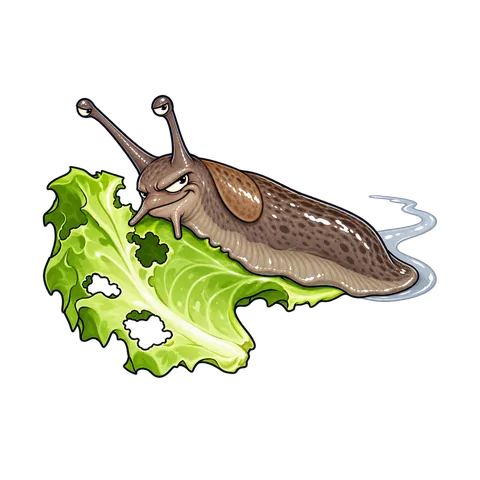
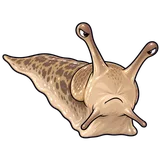
These soft-bodied creatures share a total lack of an external shell, wings, and legs, relying instead on a single muscular foot that leaves a glistening, silvery trail of slime behind them. Because their permeable skin makes them intensely vulnerable to drying out, you will rarely see them wandering about in the afternoon sun, choosing instead to wait out the daylight hours in damp hiding spots beneath rotting logs, flat stones, or overturned flower pots before emerging at night to chew holes in your garden greens.
You can easily tell true slugs apart from the creatures they are most often confused with by looking closely at their anatomy and habits. Snails look nearly identical at a glance, but they always carry a hard external spiral shell on their backs, whereas true slugs have nothing of the sort. Meanwhile, those pesky rose slugs stripping your rose bushes during the day are actually insect sawfly larvae with distinct body segments and tiny legs, and caterpillars or cutworms possess real head capsules and prolegs rather than a smooth, unsegmented, slimy body.