
Are cicada killer wasps dangerous?
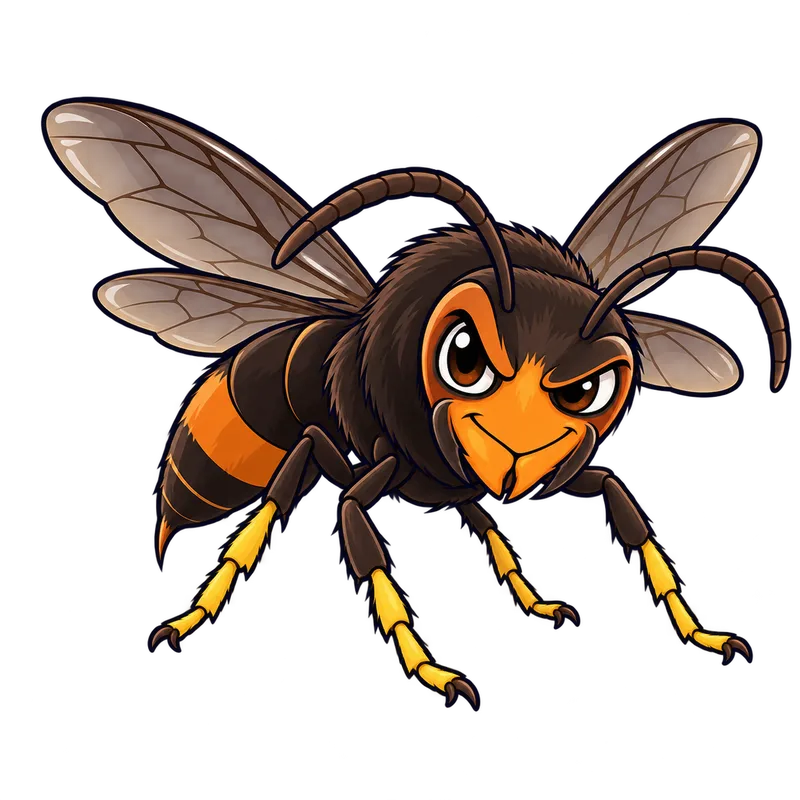
Cicada killer wasps are not dangerous to humans or pets. Despite growing up to two inches long, these solitary insects lack nest-guarding instincts and generally want nothing to do with you. Males cannot sting at all, and females only sting if you step on them or crush them in your bare hand.
What is actually going on
Picture walking out to check the mail on a hot July afternoon, only to watch a flying insect the size of your thumb zoom past your ear and start digging a hole in that dry patch of lawn near the driveway. It looks like something straight out of a horror movie, especially with its bright yellow markings and intimidating two-inch frame. Naturally, your mind jumps straight to killer hornets and emergency room visits.
Are cicada killer wasps actually dangerous? The short answer is no. Despite their terrifying size and noisy, aggressive-looking flight patterns, cicada killer wasps pose virtually no real danger to humans or pets. They are native North American solitary insects, meaning they do not live in colonies, they do not guard a shared nest, and they generally want nothing to do with you.
The males spend a lot of time hovering near your ankles or buzzing around your head, which usually causes people to start swinging their arms in panic. But male cicada killers lack a stinger entirely. They are basically all bark and no bite, acting out empty displays of bravado to scare off rival males or curious onlookers. Why do they bother? Mostly because they have nothing better to do while waiting for females to emerge.
Female cicada killers do have a stinger, but they use it almost exclusively to paralyze cicadas to feed their developing offspring underground. They exhibit no nest-guarding instincts. You would practically have to step on one barefoot or crush it in your bare hand to get it to sting you. Compared to social yellowjackets or hornets that attack in swarms when you get too close to their paper nests, cicada killers are remarkably peaceful neighbors.
How to tell for sure
Telling a native cicada killer apart from an actual dangerous hornet usually comes down to a few distinct physical traits and behavioral clues. Cicada killers generally measure up to two inches long, feature a dull reddish-brown thorax, and have rounded compound eyes. They dig individual soil burrows in dry, exposed ground, usually leaving a small horseshoe-shaped mound of dirt around the entrance hole.
People often confuse them with the Northern Giant Hornet, which also reaches two inches in length, but those invasive look-alikes feature a massive orange head and a solid black thorax instead of the rusty brown coloring of the native cicada killer. Better yet, that particular invasive hornet is rarely encountered in most areas, so you are exceedingly unlikely to run into one while mowing the lawn.
Another common mix-up involves the yellow-legged hornet, which is an established invasive pest in parts of the southeast. Yellow-legged hornets are smaller, measuring under an inch, and have dark bodies with bright yellow tips on their legs. If you spot a wasp with bright yellow feet that is actively hunting honeybees around your garden, you are usually looking at a different pest entirely. Cicada killers keep strictly to hunting cicadas and do not target honeybee hives.
What usually comes next
When homeowners discover a dozen large wasps tunneling in their front lawn, the immediate impulse is usually to run to the garden center for a heavy-duty chemical spray. Before you reach for the pesticide, it helps to understand how these ground-nesting insects choose where to live. Cicada killers seek out sparse, dry, unwatered soil in full sunlight because it warms up quickly and is easy to dig.
Improving your turf is usually the most practical decision you can make. Watering your lawn regularly, overseeding thin patches, or laying down a thick layer of mulch or ground cover changes the environment enough that female wasps simply move elsewhere to dig their burrows.
Reconsider using broad-spectrum soil drench insecticides on lawn burrows. Many native North American bee and pollinator species nest underground, and drenching your yard with harsh chemicals usually ends up killing beneficial pollinators while doing little to solve the temporary wasp issue. Letting the summer season run its course is often the easiest path, as adult cicada killers naturally die off by late summer anyway.
When to get help
Most encounters with cicada killers require nothing more than a bit of patience and a watchful eye, but certain situations call for professional or medical assistance. If you or someone in your household gets stung and develops signs of a severe allergic reaction, such as difficulty breathing, swelling of the throat or tongue, dizziness, or a widespread rash, seek emergency medical care immediately.
If you suspect you are dealing with an invasive species rather than a native cicada killer, such as a wasp with bright yellow leg tips or a massive papery nest hanging from a tree branch or tucked into a wall void, do not attempt to remove it yourself. Take a clear photograph from a safe distance and contact your state department of agriculture or local extension office for official identification and guidance.