
Are house centipedes good to have around?
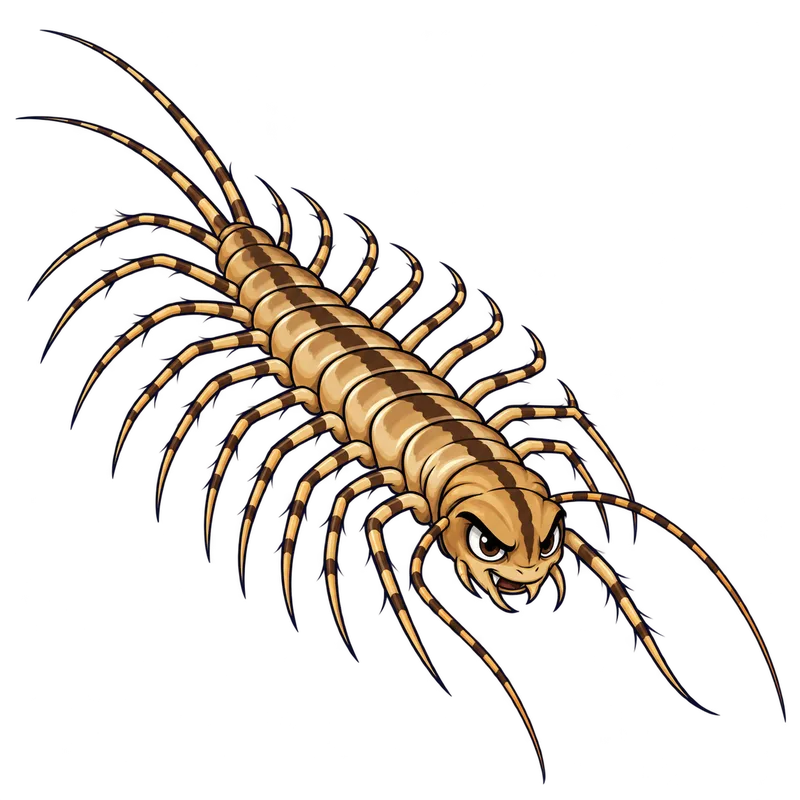
Yes, house centipedes are surprisingly good to have around because they are free carnivorous predators that hunt down destructive pests like silverfish, small cockroaches, spiders, and flies. These pale, grayish-yellow creatures measure about an inch long and pose virtually no danger to humans or household pets.
What is actually going on
You pad into the bathroom at two in the morning in your bare feet, flip on the overhead light, and freeze. A pale, grayish-yellow creature with fifteen pairs of impossibly long, spindly legs is perched on the cool tile near the shower drain. It darts across the floor with startling speed, vanishing beneath the baseboard before you can even blink. Your immediate instinct might be to grab a rolled-up magazine or start planning a major household fumigation. Yet before you declare all-out war, it helps to know that the house centipede is actually one of the most efficient, free pest control technicians you could ever host.
To put it simply, yes, house centipedes are surprisingly good to have around if you care about keeping other, far more destructive pests out of your living space. Unlike termites, silverfish, or carpet beetles, house centipedes do not care about your books, your clothes, your drywall, or your pantry food. They are strictly carnivorous predators that spend their nights hunting down the things you definitely do not want in your house, including silverfish, small cockroaches, spiders, and flies. They build no webs, drop no waste inside your food storage, and operate entirely as solitary night-shift hunters.
You might wonder why, if they are so helpful, they leave such an unsettling impression. Their rapid, darting movement and legion of delicate, banded legs trigger a primal startle reflex in most humans. It is easy to view them as creepy crawlies that belong in a cave rather than a hallway. Yet they are not social insects, meaning they do not form massive colonies or nest inside your walls by the hundreds. When you see one, you are looking at an independent traveler that wandered in from a damp sub-floor or crawlspace looking for dinner.
That dinner preference is precisely why their presence tells a double story. On one hand, they are actively suppressing populations of nuisance bugs that might otherwise overrun your baseboards. On the other hand, finding them regularly is a biological warning sign. House centipedes lack a thick waxy outer coating, making them deeply vulnerable to drying out. If they are thriving in your finished rooms, it usually means your indoor air has high relative humidity and there is an established population of prey insects hidden away where you cannot see them.
Spotting a house centipede usually involves catching a quick glimpse of a flattened, grayish-yellow to light brown body measuring about an inch long, though those fifteen pairs of elongated legs make the creature look significantly larger from a distance. Their movement is exceptionally fast and fluid, resembling a drop of water sliding across glass rather than the steady crawl of an ant or beetle. If you manage to get a close look under bright light, you will notice long, delicate antennae and specialized venom-injecting appendages tucked right beneath the head.
You can usually tell them apart from millipedes by watching how they move and counting their legs. Millipedes are slow, cylindrical detritivores that feature two pairs of legs per body segment and tend to curl into a tight spiral when disturbed. Centipedes feature exactly one pair of legs per body segment, move like lightning, and never roll up. While young centipedes can sometimes look ambiguous to the naked eye, standard adult house centipedes in homes are almost always the common species known scientifically as Scutigera coleoptrata.
You might naturally wonder if those venom-injecting structures pose any real danger to your family or household pets. The truth is that house centipedes rarely bite people, and their mouthparts are usually too weak to break human skin. If an unfortunate specimen gets trapped directly against bare skin underneath a sleeping bag or inside a folded towel, a defensive pinch can certainly happen. That rare occurrence typically causes mild, localized discomfort that feels much like a minor bee sting, fading away quickly without needing medical attention for a healthy adult.
You will usually find them hanging out in dark, damp spots like cellars, poorly ventilated bathrooms, laundry rooms, and the dim space beneath kitchen sinks. If you spot one sprinting across a bone-dry upstairs bedroom during the middle of the afternoon, that is often a clear sign that a dense group of prey bugs is moving through your wall voids and pulling the predator far away from its usual damp surroundings.
How to tell for sure
When you weigh the benefits of a free-roaming hunter against the mental distress of sharing a hallway with a fifteen-legged sprinter, the most sensible choice usually involves managing the environment rather than spraying chemical poisons. Because house centipedes rely completely on moisture and active prey, changing the conditions inside your home makes it entirely inhospitable to them without needing a single drop of indoor insecticide. Lowering the relative humidity in basements and crawlspaces below fifty percent using proper ventilation and dehumidification strips away the moisture they need to stay alive.
Reaching for total-release aerosol foggers or broad-spectrum indoor sprays usually backfires. Those chemical mists cannot penetrate the deep structural cracks where centipedes hide, leaving toxic residues on your living surfaces while keeping the underlying moisture and silverfish problems completely intact. Instead, focus your energy on structural fixes like sealing foundation gaps and caulking entry points, which stops both the centipedes and their prey from walking straight in from the yard.
If the sight of an occasional hunter is simply too much to tolerate, physical removal is safe and straightforward. A standard household vacuum cleaner handles roaming specimens instantly, provided you immediately seal and toss the vacuum bag into an outside trash bin. Setting out plain cardboard sticky traps along floor-wall junctions in the basement also helps you monitor overall crawler activity, letting you see whether you are dealing with a single stray visitor or a thriving population of the moisture-loving insects they hunt.
What usually comes next
There are times when a casual household encounter crosses the line into a situation that calls for outside help. If you run a commercial food handling facility, a bakery, or a pharmaceutical warehouse, your tolerance for any insect needs to be zero. In those professional environments, even a beneficial predator becomes a sanitation and regulatory hazard that requires immediate expert exclusion and removal.
For a typical family home, persistent sightings in dry living spaces despite your best efforts at dehumidification usually point to a heavy, hidden infestation of cockroaches or silverfish living deep inside the wall voids. When that secondary prey population gets too large to handle with basic cleaning, bringing in a licensed pest management professional is the right move to track down the source and safely treat the exterior perimeter.
When to get help
On the health side, centipede venom is quite mild, but everyone reacts differently. If someone in your house suffers an accidental bite and starts showing signs of an allergic reaction, spreading redness, significant swelling, or signs of infection, skip the home remedies. Get them straight to a licensed clinician, an urgent care clinic, or your regional poison control center for professional medical evaluation.