
What does a house centipede eat indoors?
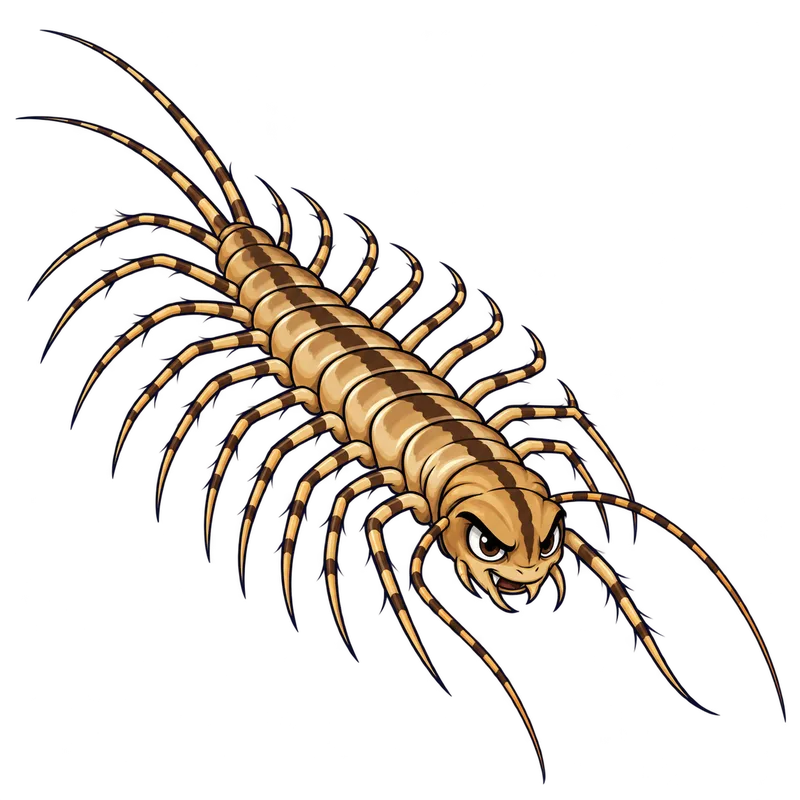
The house centipede eats only live or freshly caught arthropods, mainly silverfish, spiders, cockroaches and booklice. It hunts them at night along baseboards and in damp rooms like basements and bathrooms. It never eats plants, fabric, paper or stored food, so damage to clothes or books comes from the insects it hunts.
What is actually going on
You flip on the kitchen light at two in the morning to grab a glass of water, and a creature that looks like a stray eyelash with fifteen pairs of legs darts across the linoleum and disappears under the dishwasher. Your first instinct is usually to grab a rolled-up magazine, but before you swing, it helps to know what that frantic sprinter is actually doing in your house.
The house centipede is an obligate predator, meaning it feeds exclusively on living or freshly caught arthropods. It is not interested in nibbling on your wool sweaters, chewing through the pages of a paperback novel, or raiding the cereal boxes in your pantry. In fact, it lacks the mouthparts to digest plant material, fabric, or paper anyway.
Instead, it functions as a solitary, nocturnal hunter patrolling your baseboards for silverfish, spiders, cockroaches, and booklice. Think of it as an unpaid night shift exterminator. It uses fifteen pairs of long, banded legs to cruise across vertical and horizontal surfaces at surprising speeds, hunting by vibration and chemical cues in the dark.
When it catches up to its prey, it deploys a pair of modified front legs called forcipules, which act as venom claws to immobilize the meal. Because these centipedes have a high metabolic rate and lose body moisture rapidly in dry air, they are bound to damp microhabitats like basements, crawlspaces, and bathrooms. When you see one wandering around, it is usually because it is following a hidden food supply or searching for moisture.
How to tell for sure
Seeing a creature move that fast tends to scramble the senses, but a house centipede has a very distinct look once you manage to get a decent glance. Adult house centipedes usually feature fifteen pairs of long, thread-like legs that often appear banded or striped, along with exceptionally long antennae. Their bodies are grayish-yellow to brownish, sometimes with dark stripes running down the back.
You usually encounter them scuttling across basement concrete, tile floors, or climbing up shower walls. If you find damage on your clothes or books, do not blame the centipede. That kind of destruction is typically the handiwork of the very insects the centipede is trying to eat, such as silverfish or carpet beetles.
A common doubt people raise is whether these creatures live in massive, creepy-crawly colonies inside the living room walls. They usually do not. House centipedes are solitary and do not build nests or hives like ants or wasps. Finding one typically means you have a localized moisture issue and a secondary population of smaller pests keeping the centipedes fed.
What usually comes next
When you spot a house centipede, your main choice comes down to whether you want to live with a fast, harmless hunter or fix the conditions that invited it indoors in the first place. If the idea of a multi-legged sprinter sharing your floor is simply too creepy, catching one is easy enough. You can slide a container underneath or vacuum it up, just remember to take the bag or canister outside right away.
Spraying random bug spray along your baseboards rarely works for long because it leaves the root cause untouched. A more lasting fix involves cutting off the water supply and clearing out the food chain. You can usually discourage them by running a dehumidifier to keep basement air dry, fixing leaky pipes, and sealing up gaps around your foundation or utility lines.
Taking away their water and getting rid of the silverfish, spiders, and roaches they hunt will naturally make the centipedes pack up and move out or starve. If you decide to put down a chemical barrier around your foundation, keep in mind that the product label is a legally binding instruction. Complicated structural treatments or stubborn, heavy infestations usually belong in the hands of a licensed pest control professional.
When to get help
House centipedes rarely bite people, choosing to run away instead. If you manage to squeeze one against your skin, a bite can happen, but their mouthparts struggle to pierce human skin most of the time. When they do break the surface, you usually just get a bit of localized pain and redness that feels similar to a bee sting.
Do not try to diagnose or treat skin reactions, heavy swelling, or possible secondary infections by yourself. If you have a severe or whole-body allergic reaction, talk to a doctor, head to an urgent care clinic, or call poison control right away.
You should also think about calling a professional pest service if centipedes keep showing up in large numbers across different rooms despite your efforts to dry out the house and seal up cracks. Constant sightings usually point to a hidden, thriving population of prey insects or a chronic water leak inside the walls that calls for a professional inspection and a proper plan.