
Are millipedes bad for plants?
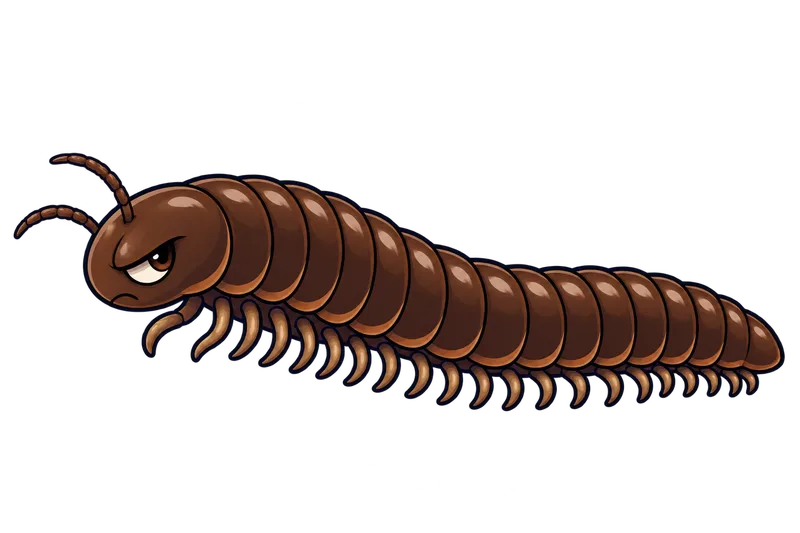
No, millipedes are not bad for plants. These harmless detritivores have scraping mouthparts that cannot chew through healthy plant tissue, choosing instead to feed on dead and rotting matter like peat moss and bark chips. Their presence simply points to high moisture and organic richness in the soil.
What is actually going on
You are watering your favorite parlor palm on a lazy Sunday morning, and as the moisture hits the soil surface, something strange happens. A small, dark, segmented creature curls into a tight cinnamon roll shape right there in the pot. Panic sets in immediately. Is this armored little crawler chewing through the root system of your prized houseplant? Can you expect to find your indoor jungle stripped bare by morning?
The short answer is no. Millipedes are not bad for plants. In fact, they are harmless detritivores, which is just a fancy way of saying they prefer to eat things that are already dead and rotting. That potted plant inhabitant is not gnawing on healthy roots. Instead, it is dining on decomposing bits of peat moss, bark chips, and microbially softened organic debris hiding in the potting mix.
Think of millipedes as tiny, underground recycling crews. Outdoors, they spend their days tucked beneath damp leaf litter, decaying logs, and garden mulch, quietly chewing up dead plant tissue and turning it into rich, fertile soil. Their simple, scraping mouthparts are structurally incapable of chomping through tough, healthy plant vascular systems or lively green stems. They lack the specialized tools that primary agricultural pests use to inflict real damage.
The only time you might spot a millipede near living plant tissue is when nature throws a wrench into their daily routine. If a heavy downpour floods their outdoor mulch beds, or if a severe summer drought completely dries out their forest floor habitat, they get desperate. Driven entirely by a physiological search for moisture rather than an appetite for your prize tomatoes, wandering millipedes might nibble on a tender seedling rootlet or a low-hanging, overripe strawberry. Even then, that minor snacking is the exception, not the rule. When they wander indoors into your living room, they are simply lost occasional invaders looking for dampness, and they will usually dry up and perish within hours because normal household air is far too dry for them.
You are probably wondering why these creatures show up in such specific spots if they are truly harmless to your greenery. The presence of millipedes in a garden bed, greenhouse tray, or indoor flowerpot points directly to organic richness and high moisture, rather than an active attack on plant health. They need moisture because they lack a thick, waxy outer cuticular layer, making them prone to quick desiccation in dry air.
Underground, their primary job is breaking down tough plant walls with microbial help. When soils are saturated with water or starved of organic matter, their normal feeding routines get disrupted. That is when they might cross paths with tender roots or sprouting seeds, not because they prefer living tissue, but because moisture is scarce elsewhere. Indoors, they cannot breed or build lasting populations because your living spaces lack the damp, decaying environment they need to survive.
How to tell for sure
Before you start worrying about what is crawling through your garden beds, you need to know what you are actually looking at. People frequently confuse millipedes with centipedes, but the two creatures are worlds apart in habit and design. Take a close look at the leg count, because that is usually the easiest giveaway. Millipedes usually possess two pairs of legs on most of their visible body segments, making them look like slow-moving, multi-legged little freight trains. Centipedes, on the other hand, carry only one pair of legs per segment and tend to bolt across the floor with alarming, predatory speed.
Body shape also gives them away. Millipedes usually sport cylindrical or slightly flattened, hard-shelled bodies that glide forward in a smooth, wave-like motion. If you gently touch one with a twig or the tip of a pencil, it will usually freeze and coil itself into a tight spiral. Centipedes have flatter profiles and prominent, venomous front legs designed for catching live prey.
Habitat offers another reliable clue. If you find a slow-moving, coiled bug deep inside the damp peat of a houseplant or beneath a rotting garden log, it is almost always a millipede doing what it does best. If it darts under the baseboard heater like a startled spider, you are usually dealing with a centipede. Millipedes also lack the capacity to bite humans or transmit diseases, though picking one up with bare hands can sometimes prompt it to release a smelly, yellowish defensive secretion from lateral glands along its body segments. That fluid can cause mild skin irritation for some people, but it is purely chemical armor against predators, not an aggressive attack.
What usually comes next
Since millipedes are harmless to plants and cannot reproduce inside dry homes, your best practical decision is to ignore the occasional stray wanderer and focus entirely on managing excess moisture. If you are spotting dozens of them crawling across your basement floor or hanging out in your potted houseplants, the critters are simply waving a red flag about your home environment. They are telling you that moisture levels are high and decaying organic matter is piling up right where it should not be.
Instead of reaching for chemical sprays or heavy pesticides, look at how you water your indoor plants. Allowing the top of the potting mix to dry out completely between waterings deprives millipedes of the high humidity they need to survive. Without that moisture, they cannot stick around. If a particular houseplant is heavily infested with soil dwellers, the easiest fix is simply to repot it using fresh, well-draining soil and clear away any rotting root debris.
Outdoors, the logic stays the same. If millipedes are using heavy wood mulch to bridge the gap between your garden beds and your foundation walls, you can discourage their travels by pulling that organic debris back. Creating a wide, ground-cover-free buffer zone filled with dry gravel or bare soil right against your house foundation stops them from finding easy entry points. Vacuuming up the occasional indoor visitor and emptying the bag outdoors handles the rest without any fuss.
When to get help
Most millipede encounters require nothing more than a vacuum cleaner and a bit of patience, but there are moments when you need outside backup. If you are noticing a massive, relentless wave of millipedes swarming your foundation walls day after day despite your best efforts at sealing gaps and clearing mulch, it is usually time to involve a licensed pest management professional. Commercial properties, food warehouses, and large greenhouse nurseries dealing with heavy migrations or high-density seedling production often require professional-grade exterior perimeter barriers to protect stock.
On the health side of things, those defensive chemical secretions can occasionally trigger allergic reactions or skin rashes in sensitive individuals who handle the bugs barehanded. If you develop a persistent skin irritation, eye discomfort, or respiratory distress after coming into contact with pest secretions or cleaning up an accumulation of insects, consult a clinician. Keep in mind that millipedes never bite, so any puncture wound or venom symptom points to a completely different pest, such as a centipede or spider, which warrants a proper medical evaluation.