
How do you get rid of millipedes in a house?
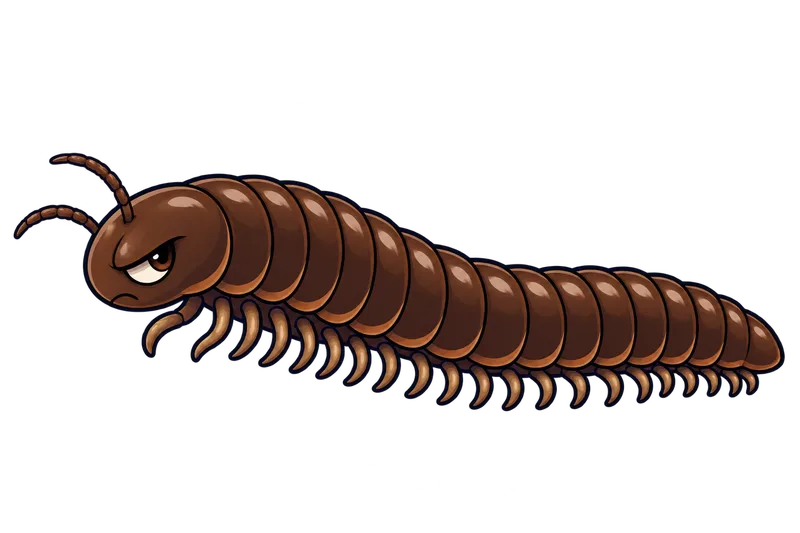
To get rid of millipedes in a house, you need to collect wandering ones using a vacuum cleaner or broom, then cut off future entries by clearing outdoor mulch and leaf litter away from your foundation. You must also seal structural gaps and manage moisture around the home because indoor air is far too dry for them to survive long.
What is actually going on
You walk down to the basement on a Tuesday morning to swap out a load of laundry and notice a tiny, stiff black ribbon curled into a neat little spiral near the baseboard. Before you even grab a paper towel, another one crawls slowly across the concrete floor, pushing forward on dozens of tiny legs. You check the rest of the room and find a dozen more wandering aimlessly. It is a startling wake-up call, but it is rarely the start of an interior infestation.
To get rid of millipedes in a house, you need to collect the ones already wandering inside using a vacuum cleaner or broom, then cut off future entries by clearing outdoor mulch and leaf litter away from your foundation. You also need to seal structural gaps and manage moisture around the home. Millipedes do not want to live in your living room or basement. They are outdoor creatures that feed on decaying leaves, damp wood, and fungi in the soil. When heavy spring rains saturate their underground homes or summer droughts dry out their favorite mulch beds, they look for relief and accidentally wander through your doors and foundation cracks.
Once they cross your threshold, they are on borrowed time. Residential indoor air is far too dry for them, and they lack the waxy outer layer that keeps moisture trapped inside their bodies. Unless they happen to find an active plumbing leak or a flooded, unventilated crawlspace, wandering millipedes usually dehydrate and die within hours to a few days. They cannot reproduce inside your home, they do not eat your drywall or furniture, and they certainly are not building nests in your closets.
That means your indoor battle is mostly cleanup, while your real work happens outside. Spraying total-release foggers, commonly called bug bombs, or soaking your baseboards with harsh chemicals inside the house will not solve the problem. Those products miss the outdoor harborage zones where the millipedes actually live and breed. Instead, stopping these seasonal invasions requires a mix of physical removal, exterior habitat cleanup, and structural exclusion.
Millipedes are usually easy to spot because of their worm-like, cylindrical or slightly flattened bodies and their slow, deliberate movement. If you pick one up or look closely, the most reliable diagnostic feature is that they usually have two pairs of jointed legs on most of their visible body segments. They are quite different from centipedes, which have only one pair of legs per segment, sport long antennae, and dart across the floor with startling speed. Pillbugs and sowbugs, which often show up in similar damp spaces, are small and oval-shaped terrestrial crustaceans rather than many-legged detritivores.
When you disturb a millipede, it will usually curl up tightly into a spiral or a neat letter C shape. You might also notice a faint, distinct odor if you handle them roughly, as some species release defensive chemical secretions when threatened. While these fluids can cause mild skin irritation or temporary staining if you rub your eyes with unwashed hands, millipedes do not possess functional mouthparts capable of biting human skin, nor do they carry infectious diseases.
Spotting them usually happens in the spring or autumn. Spring thaws and heavy rains force them upward out of saturated soil, while autumn cooling prompts them to look for sheltered spots to wait out the cold weather. If you find them in the dead of winter, it is usually because solar heating on an exterior wall has temporarily warmed up a foundation void, waking up individuals resting inside and tricking them into crawling into your living space.
How to tell for sure
The most practical choice you face is whether to spend your energy fixing the outside boundary of your house or just waste time fighting symptoms indoors. Indoor cleanup is nothing more than a temporary escort service. You can sweep them up or vacuum them right away, but if you use a machine, you need to take the bag or canister straight out to the outdoor trash bin. Leaving dead millipedes sitting inside an indoor vacuum cleaner can create foul odors and draw in secondary scavenger pests like carpet beetles.
Once the indoor cleanup is finished, your main decision comes down to managing the boundary between your yard and your home foundation. Thick organic wood mulch piled high against exterior walls acts like a giant, damp sponge that holds moisture and provides an endless supply of decaying food. If you leave that mulch in place, no amount of indoor spraying will stop the constant stream of visitors.
Creating an inorganic, plant-free border around your home changes the equation entirely. By clearing away mulch, leaves, and ground cover to form a wide band of bare soil, gravel, or crushed stone right against the foundation, you strip away the damp microclimate millipedes need to survive. Combined with sealing foundation cracks and installing tight rubber door sweeps on exterior doors, this simple boundary forces wandering bugs to dry out and turn away before they ever find your doorways.
What usually comes next
While most millipede encounters are simple weekend fixes, certain situations call for outside help. If you experience a severe mass migration where thousands of millipedes crawl out of nearby fields or heavy woods and completely overwhelm your physical barriers, you should contact a licensed pest management professional. Commercial applicators have the specialized equipment and training needed to apply targeted residual barrier treatments along the exterior foundation line safely and legally under strict pesticide label rules.
You should also bring in a professional if your home sits over an unfinished, unventilated dirt crawlspace that stays chronically damp. These substructure spaces can harbor moisture levels high enough to let millipedes survive beneath your living floors indefinitely until professional drainage solutions or vapor barriers are properly installed.
When to get help
On the health side, if you develop an unusual skin rash, severe irritation, or an allergic reaction after handling pests or applying maintenance products, consult a clinician right away. While millipedes do not bite, their defensive secretions can irritate sensitive skin, and accumulated dead insect fragments in wall voids can sometimes trigger allergic rhinitis or asthma symptoms in sensitive individuals. Never guess at a medical diagnosis based on the presence of bugs in your basement, and always let healthcare professionals handle medical concerns.