
Do millipedes breed inside a house or wander indoors?
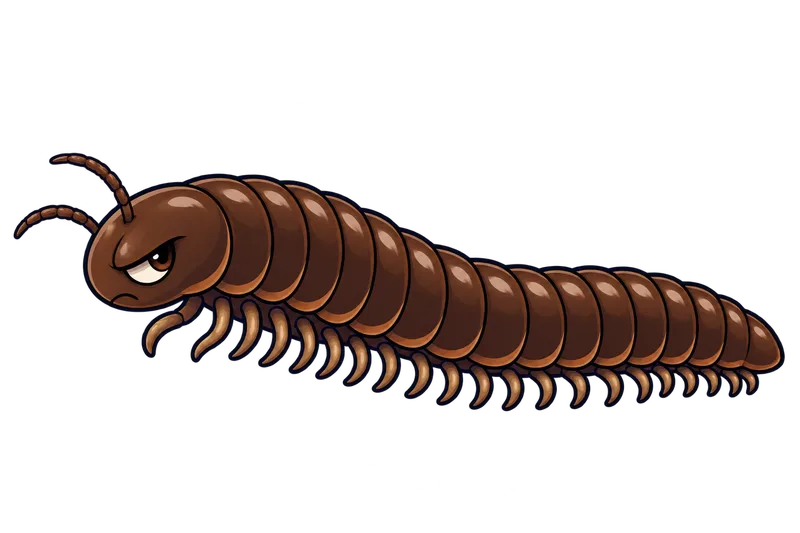
Millipedes wander indoors rather than breed inside a house, because they require outdoor moisture and rotting organic debris. They usually die within a day or two inside a climate-controlled home due to the dry air.
What is actually going on
Picture walking down into your basement on a Tuesday morning to grab a spare roll of paper towels, only to spot a dozen dark, segmented little rings scattered along the baseboards. They look remarkably like tiny black watch springs or dropped hardware, and none of them are moving. Your first thought might involve some kind of underground nest hatching out behind the drywall, or perhaps a slow-moving invasion originating from beneath the floorboards.
Here is the reassuring truth of the matter: millipedes do not breed or establish reproducing populations inside houses. They are outdoor creatures through and through, dependent on high moisture and rotting organic debris. When you find them indoors, you are looking at accidental wanderers rather than tenants settling in for the long haul. They live naturally out in the yard under damp leaf litter, landscape mulch, compost heaps, and rotting logs, happily munching on decaying plant matter.
So how do they end up scattered across a dry living room floor? It always comes down to an outdoor weather trigger that forces them out of their comfort zone. Heavy, prolonged spring or autumn rains saturate the soil and flood their underground burrows, while severe summer droughts dry out their favorite surface hiding spots. When their natural habitat becomes unlivable, millipedes head out on a mass surface migration. They crawl blindly toward any available shelter, scale foundation walls, and slip inside through whatever tiny gaps they can find.
Once they get inside a typical climate-controlled home, the environment finishes them off in a hurry. Indoor air is usually far too dry for their permeable bodies, draining them of moisture before they can find anything to eat or anyone to mate with. They wander aimlessly across the floors until they dehydrate and die, usually within a day or two. They cannot lay eggs in your living spaces, and they cannot build colonies in your walls. They are simply dying guests that wandered in from the garden.
How to tell for sure
Finding dozens of unidentified bugs in the house usually prompts an immediate identification panic, but millipedes are fortunately quite distinct once you take a close look at them. You are usually dealing with creatures that measure roughly an inch long, featuring slow-moving, cylindrical or slightly flattened bodies colored dark brown to black. When you poke one or find it dead, it usually curls automatically into a tight, flat spiral or a neat C-shape.
If you want to separate them from other critters like centipedes, you usually need to look a bit closer at their legs. Centipedes are fast, flattened predators with a single pair of legs on each body segment, and they are fully capable of surviving and reproducing in damp indoor spaces like unfinished basements. Millipedes usually move at a sluggish pace and possess two distinct pairs of legs on most of their visible body segments. You will usually need a hand lens to confirm those double leg pairs, but the slow crawl and the coiled death pose are typically enough to tell you what is walking across your rug.
You can also stop worrying about your structural framing, your furniture, and your dry goods. Millipedes lack the mouthparts to chew on sound wood, paper, textiles, or stored pantry items. They possess chewing parts designed exclusively for soft, rotting organic detritus. They do not bite or sting either, lacking the venom fangs of their centipede cousins. The worst defense they manage is a mild, foul-smelling liquid secreted from their sides when handled or crushed, which can cause minor skin irritation or a yellowish-brown stain if you step on one bare-footed.
What usually comes next
Deciding how to handle an influx of millipedes usually means choosing between wasting time with indoor sprays or actually fixing the perimeter issues inviting them inside. Grabbing a total-release aerosol fogger or a can of general surface spray for your living areas is mostly a waste of effort. Those indoor treatments fail to reach the outdoor soil beds where the migration originates, leaving behind chemical residues while new wanderers keep marching through.
Instead of treating the living room, look outward toward the foundation and the landscaping beds. The most effective step you can take usually involves creating a dry buffer zone right against the house. Pulling back organic mulch, wood chips, and damp leaf litter to establish a two to three foot wide border of bare soil, gravel, or river rock around the foundation works wonders. That dry stone apron acts like a desert barrier that discourages migrating millipedes from pressing right up against your exterior walls.
You also want to address the physical entry points while you are outside. Caulk those foundation cracks, seal up utility pipe penetrations, and install tight door sweeps beneath every exterior door that leads to ground level. Clean out clogged gutters and make sure your downspouts discharge water far away from the structure so moisture does not pool against the foundation. For indoor cleanup, a simple pass with a vacuum cleaner or a broom handles the dead or dying wanderers easily. If you use a vacuum, just remember to pull the bag immediately, seal it inside a plastic trash bag, and toss it into an outdoor bin so those accumulated carcasses do not attract secondary scavengers like carpet beetles.
When to get help
Most millipede invasions are seasonal nuisances that clear up once the weather stabilizes and your perimeter exclusion work takes hold. However, certain situations warrant calling in outside support. If a massive migration event overwhelms your basic physical barriers, or if you live near complex structural foundations that require specialized outdoor residual spray treatments, you should reach out to a licensed pest management professional who has the right equipment and regulated formulations to handle large-scale perimeter treatments safely.
You should also look at indoor millipede sightings as a valuable diagnostic warning sign about your home health. If you are constantly sweeping up piles of millipedes month after month, your house is likely dealing with chronic exterior moisture retention, leaky plumbing near the slab, unsealed crawl spaces, or poorly graded soil that traps water against the building. Fixing those structural moisture problems often requires a contractor or waterproofing specialist rather than an exterminator.
Keep in mind that letting large quantities of dead insects pile up in hidden corners, wall voids, or unfinished basements creates an indoor allergen hazard. Their decomposing bodies and shed skins can break down into fine particulate matter that triggers asthma and respiratory irritation in sensitive household members. If skin contact with defensive secretions causes a severe reaction, wash the area thoroughly with soap and water and consult a clinician or poison control rather than guessing at home remedies.