
Are sowbugs bad for a garden?
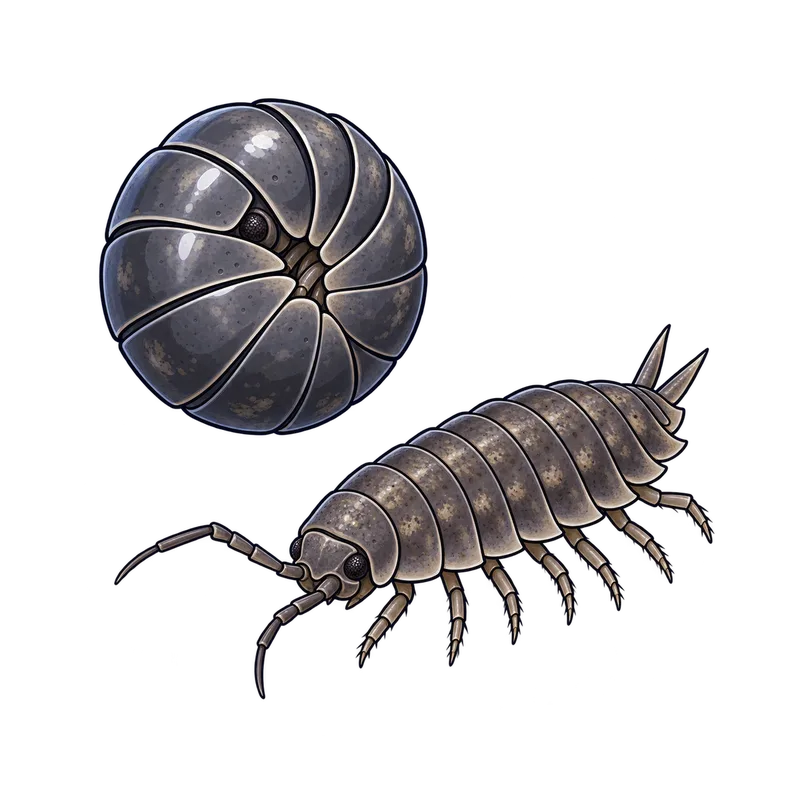
Sowbugs are not bad for a garden because they act as beneficial ground recyclers that feed on rotting plant tissue and decaying leaves. These oval, gray-to-brown creatures measure about a quarter of an inch long and only rarely nibble on tender seedlings during an uncommonly wet spring.
What is actually going on
You are out turning over the damp mulch near your prized tomato plants, expecting to see nothing more than rich dirt, when dozens of flat, gray, armored little creatures scatter in a panic. Naturally, you wonder if your garden is about to be eaten down to the roots.
The short answer is no. Sowbugs are not bad for a garden. Despite their creepy-crawly appearance and alarming numbers when you lift a rotten log or a heavy flowerpot, they are actually beneficial ground recyclers rather than destructive plant pests.
Think of them as a tiny, highly efficient fleet of compost trucks operating right under your feet. Instead of chewing on the healthy, living stems of your vegetables or flowers, their preferred menu consists of rotting plant tissue, decaying autumn leaves, fungi, and old mulch. By feeding on this coarse organic debris, they break it down and help recycle vital nutrients back into the soil matrix.
You might object that you have heard horror stories about these critters decimating tender young plants in the spring. That can happen under very specific conditions, but it is the exception rather than the rule. When an uncommonly wet spring waterlogs the soil or when an overcrowded population runs out of decaying matter, desperate sowbugs might occasionally nibble on succulent new seedlings or low-lying fruit. Even then, healthy established plants shrug off the minor grazing without breaking a sweat.
How to tell for sure
Before you start worrying about what is crawling around your flower beds, it helps to know what you are actually looking at. Sowbugs belong to the crustacean group, making them more closely related to crabs, lobsters, and shrimp than to true insects. While true insects have three pairs of legs, adult sowbugs possess seven pairs of walking legs, giving them fourteen legs in total.
If you scoop one up for a closer look, you will usually notice an oval, flattened, gray-to-brown body measuring about a quarter of an inch long. They scurry away quickly when exposed to the light because they rely heavily on dark, damp microhabitats.
It is also easy to confuse sowbugs with their very close cousins, pillbugs, though there is a simple way to tell them apart. Sowbugs usually have two tiny tail-like projections sticking out of their rear end, and they cannot roll themselves into a ball when threatened. Pillbugs lack those prominent tail projections and will immediately tuck their head and legs into a tight sphere when disturbed.
If you find them wandering around inside your house, do not panic about a structural disaster. Sowbugs are classified as occasional invaders. They do not eat your wooden furniture, they do not munch on your pantry goods, and they cannot reproduce inside a dry living room. Because they breathe through gill-like structures, they need constant moisture. Walking into a dry, air-conditioned home is essentially a death sentence for them, and they usually dry up and die within a very short timeframe. Finding them indoors usually just means your foundation has a damp spot or an easy crack letting them slip through from the wet mulch outside.
What usually comes next
Since sowbugs are generally harmless and actually help your soil, you rarely need to declare all-out war on them. Yet when their numbers near your foundation start getting out of hand and they keep finding their way into your basement, your best practical move is to change the landscape right next to your house.
Instead of reaching for random chemical sprays, look at what is touching your exterior walls. Deep beds of organic wood mulch, stacked firewood, and heavy ground cover retain a tremendous amount of ground moisture, creating an ideal resort for sowbugs. When that moisture-retaining material sits directly against your foundation, populations explode and accidental indoor wanderings skyrocket.
The most effective fix is to create an inorganic buffer zone extending two to four feet outward from your foundation wall. Clear away the mulch and plantings in this narrow strip and replace them with gravel, crushed stone, or bare soil. Inorganic materials do not retain moisture or supply the decaying organic food that isopods crave. Paired with sealing up obvious gaps and cracks in your foundation with exterior caulk, this simple physical adjustment dries out the perimeter and keeps the critters where they belong, safely out of your living space. If you do consider any outdoor chemical barrier treatments along your foundation perimeters, remember that the EPA-registered product label legally governs all use parameters. Never extend or contradict label instructions, and leave chemical selection and application decisions to a licensed pesticide applicator.
When to get help
Most sowbug situations require nothing more than a broom, a dustpan, and a little patience with yard work. If you find strays wandering indoors, simply sweep or vacuum them up and empty the contents into an outdoor trash bin. Chemical applications are unnecessary inside because the dry indoor air takes care of the intruders naturally.
There are times, however, when you should step back and bring in outside help. If you notice massive indoor invasions that persist even after you have cleared away the foundation mulch and sealed every crack, a professional pest management operator or university extension entomologist can help track down hidden moisture leaks or structural entry points.
On the health side, sowbugs do not bite, sting, inject venom, or transmit human pathogens. They present no direct medical or veterinary hazard. If you or a family member experience unexplained insect bites, mysterious skin lesions, or severe allergic reactions, do not assume it is the work of sowbugs. Consult a licensed clinician, urgent care facility, or your regional poison control center for a proper medical evaluation.