
How do you get rid of sowbugs?
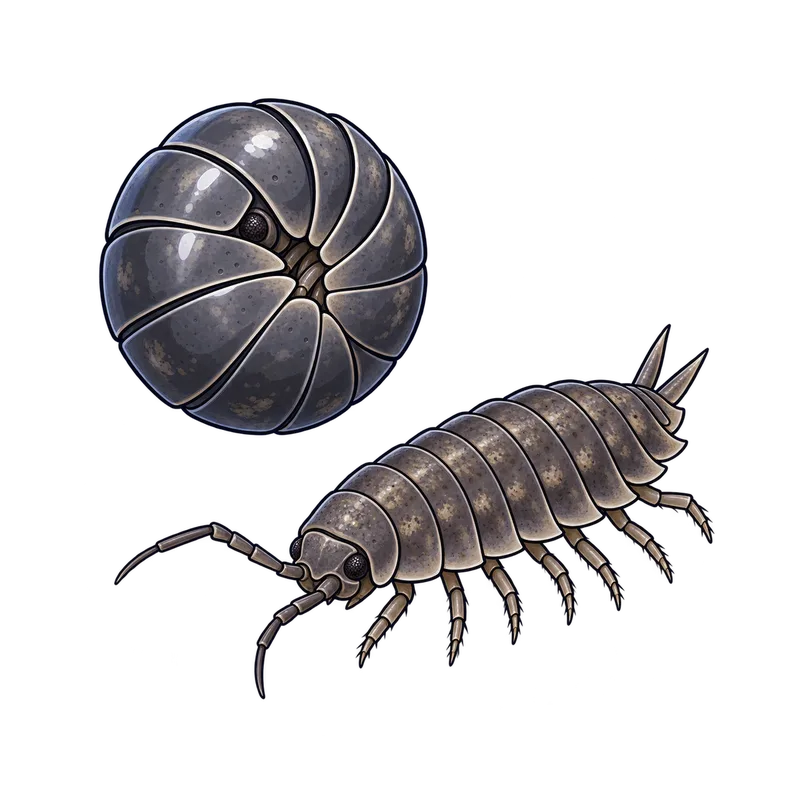
Getting rid of sowbugs, which measure about a quarter of an inch long, depends on cutting off their moisture supply and changing your outdoor landscaping. You can get rid of these slate gray crustaceans by clearing away wood mulch within a few feet of your foundation and replacing it with a clean band of gravel or crushed stone.
What is actually going on
You walk down to the basement on a damp Tuesday morning to switch out a load of laundry, and there it is. A small, gray, flat-backed creature scurries across the concrete floor, looking like a miniature armadillo that forgot how to crawl straight. You spot another one huddled near the bottom of the basement stairs. Before you start wondering if your house is turning into a swamp, let us get straight to the point. Getting rid of sowbugs is not about spraying your entire living room with harsh chemicals. It is a matter of cutting off their moisture supply, fixing where they get inside, and changing the landscaping right outside your foundation wall.
If you have never really looked closely at a sowbug, you might mistake it for a typical household insect. They are actually not insects at all. They belong to a group of land-dwelling crustaceans called isopods, making them close cousins to shrimp and lobsters. Because they breathe through modified, gill-like structures, they need constant moisture to survive. When heavy spring rains soak the soil or summer heat dries out their usual hiding spots under logs and leaf litter, they go looking for humidity. Your basement or crawlspace just happens to look like an underground oasis when they are running from environmental stress.
Once they cross your threshold, though, their luck runs out. Indoor air is simply too dry for them, and they cannot find the decaying plant matter they like to eat. They do not bite, they do not sting, they carry no diseases, and they certainly will not chew through your drywall or structural framing. Most of the stragglers you find inside will die off on their own within a short time. Still, finding them day after day means something outside is inviting them right up to your walls.
How to tell for sure
People often use the terms sowbug and pillbug interchangeably, but a quick glance at their rear ends usually tells you exactly which creature you are dealing with. Sowbugs feature two small, tail-like appendages called uropods sticking out from the back of their abdomen. Pillbugs, which many folks call roly-polies, lack these prominent rear bits. More importantly, pillbugs can roll themselves into a tight, defensive little sphere when you poke them. Sowbugs usually cannot pull that trick off, preferring to scurry away into the nearest dark crack instead.
Adults usually measure about a quarter of an inch long, and they wear a hard, segmented armor shell that ranges from slate gray to brownish gray. They usually show up in ground-level areas of the house, particularly unfinished basements, damp laundry rooms, and around unsealed ground-level windows. If you are spotting them in upstairs bedrooms or dry living areas, you are usually looking at a rare exception, or perhaps a different pest altogether. Because they hide during the day and move around at night, you usually notice them most when you first turn on a basement light or pull back an old storage box that has been sitting directly on a concrete slab.
What usually comes next
Once you realize these creatures are harmless visitors rather than an invading army of wood-chewers, your main decision comes down to how much work you want to do outside versus inside. You can spend all afternoon vacuuming up the ones on your basement floor, but if you leave the exterior of your house as an open invitation, more will simply march in tomorrow. The most practical move is to stop treating the symptoms inside and start fixing the environment right outside your foundation wall.
That means taking a hard look at your landscaping. Many homeowners pile thick organic wood mulch right up against the siding to keep flowerbeds looking neat, but that mulch acts as a permanent moisture trap and a continuous all-inclusive buffet for sowbugs. Clearing away that mulch and leaf litter within a few feet of your foundation, and replacing it with a clean band of gravel or crushed stone, usually changes the game entirely. When you deny them the damp organic cover they need to breed right next to your house, they stop piling up against your exterior doors and finding those tiny gaps under your siding.
When to get help
Sowbugs pose zero threat to human health, meaning you will never need a clinician or poison control center for a sowbug encounter. There are times, however, when a simple do-it-yourself approach falls short and calling in a licensed pest control professional makes the most sense. If you have already cleared away the mulch, sealed up every visible gap, and kept your basement bone dry, but you are still seeing massive waves of sowbugs migrating inside week after week, you are likely dealing with a larger structural moisture issue or an underground harborage zone that requires professional-grade equipment and specialized residual treatments.
You might also want to bring in an expert if your property features complex drainage problems around a damp, unsealed dirt crawlspace. Standing water or unventilated earth beneath a home will continuously generate new generations of moisture-loving pests regardless of what you spray outside. A licensed applicator can safely apply targeted perimeter treatments and advise you on proper vapor barriers, ensuring that your pest control efforts comply with local regulations and actually solve the root cause of the invasion.