
Do beneficial nematodes help control fungus gnats?
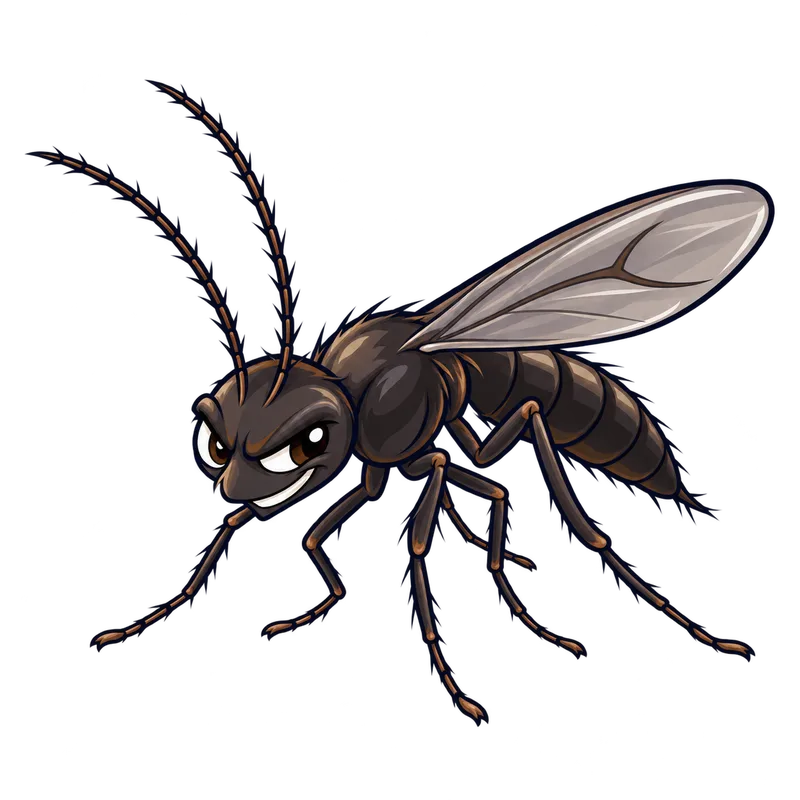
Yes, beneficial nematodes help control fungus gnats by actively hunting down their larvae in wet soil. However, using them at home depends on your setup, as extension entomologists usually recommend these microscopic roundworms for commercial greenhouses or serious hobbyists rather than a few routine houseplant pots.
What is actually going on
You walk over to water your favorite parlor palm on a gloomy Tuesday afternoon, and a small cloud of tiny, irritating flies kicks up from the potting soil. They do not bite, but they seem to have a personal vendetta against your morning coffee and your living room lamps. You poke around online and someone suggests buying microscopic roundworms to hunt them down. Do beneficial nematodes actually help control fungus gnats?
The short answer is yes, they do. Beneficial nematodes are microscopic organisms that actively swim through wet soil, hunt down fungus gnat larvae, and destroy them from the inside out. They are an established biological control option that targets the root of the problem, quite literally.
Before you pull out your credit card and order a package of living roundworms, however, you need to know that extension entomologists usually recommend them for commercial greenhouses, nurseries, mushroom farms, or serious hobbyists rather than routine residential houseplant care. Buying, storing, and applying live nematodes for three potted plants on a windowsill is a bit like calling in a tactical SWAT team to deal with a stray housefly.
For the average indoor gardener, those tiny worms can be logistically frustrating. They need continuous soil moisture to survive, but the number one rule of getting rid of fungus gnats at home is letting your potting soil dry out between waterings. If you let the pot dry out enough to starve the gnat larvae, your expensive nematodes will dry up and die right along with them.
How to tell for sure
Those tiny fliers buzzing around your houseplants are usually fungus gnats, specifically members of the Sciaridae family. They are weak fliers that tend to dart in short, erratic bursts rather than buzzing steadily across the room like a housefly. You will usually find them lingering on damp soil surfaces, crawling along the rim of the pot, or stuck to nearby windows.
If you want to confirm what is happening beneath the soil line, you have to look for the immature stage of the insect. Fungus gnat larvae are legless, translucent to dirty-gray wormlike maggots that grow up to a quarter of an inch long. They usually stay in the top 2 to 3 inches of moist potting media, where they feed on fungi, organic debris, and delicate plant root hairs.
If you squint closely, you can usually spot their most telling feature: a distinct, shiny black head capsule. They move sluggishly through the damp soil and sometimes leave behind subtle slime trails.
It helps to make sure you are not dealing with a different pest entirely. If the flying insects are emerging from a kitchen sink drain, a bathroom floor trap, or a garbage disposal rather than a potted plant, they are usually drain flies or phorid flies. Nematodes applied to houseplant soil will do nothing for insects breeding in drain scum or sewer lines.
What usually comes next
You have a choice to make between chasing biological novelties and sticking to the simplest practical fix for your indoor jungle. If you only manage a handful of potted houseplants, your best bet is usually to change the environment rather than introducing live predatory roundworms.
Think of a consistently waterlogged pot like a damp kitchen sponge left on the counter, which naturally turns into a breeding ground for mildew and tiny flies. Allowing the top couple of inches of soil to dry completely starves the young larvae and stops the fungus they feed on.
If cultural drying is not enough or your plants need steady moisture, you can usually turn to bacterial drenches containing Bacillus thuringiensis subspecies israelensis, often called B.t.i. Products carrying this specific bacterium target the digestive systems of fly larvae when swallowed, and they are much easier to manage at home than live nematodes. Just make sure you do not accidentally buy a caterpillar-targeting strain of B.t., which has zero effect on fly larvae.
Save the beneficial nematodes or predatory mites for high-density situations like large indoor atriums, commercial plant collections, or massive hobby greenhouses where manual moisture management is impractical and biological controls can be maintained effectively across a large volume of continuously damp media.
When to get help
Most indoor fungus gnat situations are an annoying aesthetic problem rather than an emergency, but certain circumstances call for outside assistance. If you notice severe plant health warning signs like stunted growth, yellowing foliage, sudden wilting, or a total loss of vigor in established plants or seedlings, the larval root damage might be more advanced than a simple home remedy can handle.
When pests emerge in a commercial greenhouse, a large plant nursery, or a mushroom production facility and cause widespread economic damage, it is time to involve a commercial agricultural extension agent or a pest control professional. They can evaluate the entire production system, check irrigation practices, and recommend integrated pest management strategies.
If you find small flies emerging from sub-slab voids, structural crawlspaces, or broken sewer lines rather than standard potted plant soil, you should contact a structural pest control professional to investigate the underlying moisture source or plumbing failure.
Finally, if you cannot pin down the exact identity of the insects or suspect a more aggressive structural pest is present, take a specimen to a university diagnostic laboratory or a licensed entomologist for proper identification before applying any treatments.