
How fast do fruit flies reproduce?
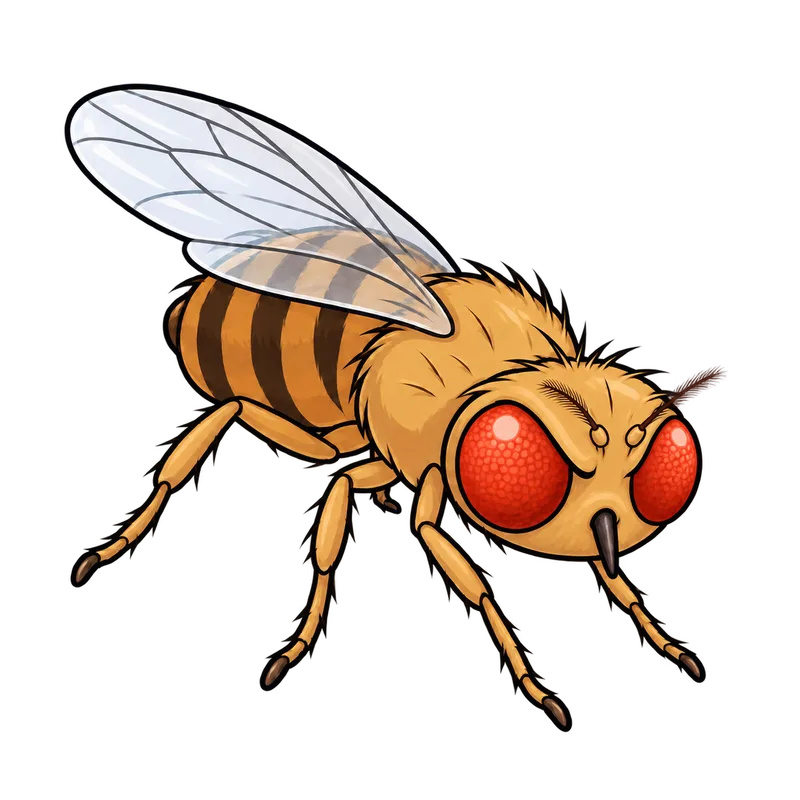
Common fruit flies reproduce at an astonishing rate, completing their entire life cycle from egg to adult in 7 to 10 days under warm conditions around 82 degrees Fahrenheit. During an adult lifetime of about a month, a single female lays approximately 500 eggs. This rapid pace depends directly on indoor temperature and the availability of fermenting organic matter.
What is actually going on
You walk into the kitchen on a Tuesday morning, reach for the fruit bowl, and pull your hand back because a sudden cloud of tiny insects just erupted from the bananas. It feels like they materialized out of thin air overnight. Yesterday there was maybe one buzzing around, and now you have an entire population meeting in your kitchen.
If you want the short answer, fruit flies reproduce at an astonishing rate. Under warm conditions around 82 degrees Fahrenheit, common fruit flies complete their entire life cycle from egg to adult in 7 to 10 days. During her adult lifetime of about a month, a single female lays approximately 500 eggs. That speed is why a minor annoyance on Monday turns into a full-scale cloud by the following weekend.
Instead of nurturing a couple of offspring, a female pumps out dozens of eggs a day directly into whatever fermenting organic matter she can find. A single overripe peach left on the counter acts as a literal incubator, and within a week, those first arrivals have hatched, matured, mated, and started laying their own batches of eggs.
Why does indoor temperature change the math so drastically? Because fruit fly metabolism is strictly tied to heat. In climate-controlled homes, they keep ticking along year-round, completely ignoring the freezing weather outside. They do not need much space or food, just a damp film of yeast or sugar to keep the nursery running.
How to tell for sure
Before you start waging war, you need to make sure you are actually looking at fruit flies and not one of their many lookalikes. Common fruit flies usually measure about 1.5 to 3 millimeters long, featuring tan heads, distinctive red eyes, and dark bands across their abdomens. You will usually find them hovering gracefully right over your fruit bowl, recycling bin, or damp mop bucket.
If you are dealing with garden fruit, the culprit is often a relative like the spotted wing drosophila. Males of this species are easy to spot because they have a single dark spot on the tip of each wing. Females lack the wing spots, but they carry a heavily serrated, sawlike egg-laying organ that lets them cut through the skin of perfectly healthy ripening fruit on the plant, unlike their grocery store dwelling cousins that usually wait for rot or cracks.
People often confuse fruit flies with phorid flies or drain flies, but they behave differently. Phorid flies have a distinct humpbacked thorax and a jerky, sprinting motion across countertops rather than a lazy hover. Drain flies look like tiny, fuzzy moths with furry wings. If the insects in your kitchen run around like nervous spiders instead of flying, you are probably dealing with phorid flies rather than standard fruit flies.
What usually comes next
When you spot that first cloud, your most practical move is getting rid of the breeding material right away instead of swinging a flyswatter at the adults. Those flying bugs are just the visible symptom of the problem. The actual nursery is the fermenting mess where the eggs and tiny worms live, so you need to bag up that bruised fruit, empty the kitchen trash, and take the recycling bins outside.
If you notice these insects hanging around your kitchen sink, a common mistake is pouring boiling water or household bleach down the drain. Bleach just slides right through the middle of the pipe without touching the thick, slimy film where the larvae feed and grow. To break that cycle in a drain, you have to get physical.
Scrub the inside of the pipe with a stiff brush to scrape away the organic slime, then use an enzymatic cleaner made to eat the rest of that film. Until you remove the actual nursery, killing the flying adults will do nothing to stop the next generation from hatching tomorrow.
When to get help
Most kitchen fruit fly invasions are just a temporary mess you can fix with a good scrub and some tightly sealed trash cans, but certain situations call for backup. If you keep seeing huge numbers of small flies coming out of your sinks even after you have thoroughly cleaned the pipes, you might have a broken sewer line or a hidden plumbing leak beneath your concrete floor. That is the moment to call a licensed plumber or a structural pest control operator to track down the hidden damage.
If you are a commercial grower managing an orchard or running a food processing plant, chemical control requires a licensed pesticide applicator to choose the right products, manage safety intervals before harvest, and prevent resistance. On the health side of things, if anyone in your household suffers a severe allergic skin reaction, has symptoms after an accidental ingestion, or develops an infection, consult a qualified clinician or poison control center right away.