
Why are there so many fruit flies in the house?
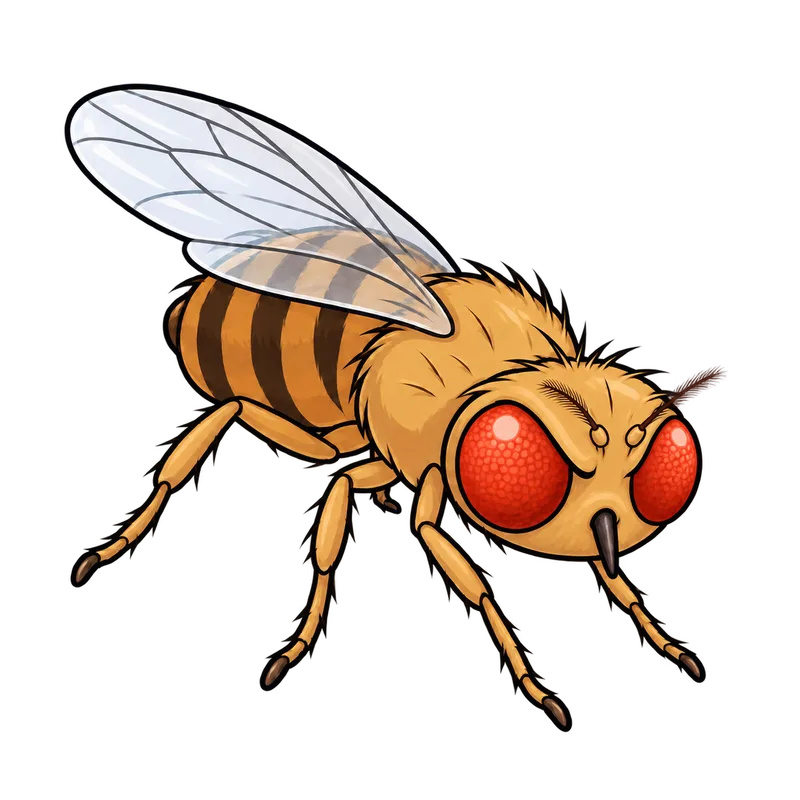
Sudden indoor fruit fly surges happen because adult flies either find a way in from the outside or hitch a ride on groceries. A single female can lay up to five hundred eggs on damp fermenting material, and those eggs turn into fully functioning adults in as little as seven to eight days.
What is actually going on
You walk into the kitchen on a quiet Tuesday morning, pour your coffee, and notice a dozen tiny specks dancing over the fruit bowl. You could swear that bowl was completely clear yesterday. By Thursday, they are hovering over the sink, buzzing around the recycling bin, and landing on your mug. You probably wonder how an entire population materialized out of thin air overnight. The truth is much less mysterious, though a little unsettling once you picture the timeline.
Sudden indoor fruit fly surges happen because adult flies either find a way in from the outside or hitch a ride on groceries, and they do not waste any time getting to work. A single female can lay up to five hundred eggs on any damp, fermenting organic material she can sniff out. Under typical indoor warmth, those eggs hatch, feed, pupate, and turn into fully functioning adult flies in as little as seven to eight days. That means a single forgotten potato tucked away in the pantry or a splash of sugary juice at the bottom of the recycling bin acts like a biological countdown timer.
What starts as two or three wandering bugs turning up in your kitchen quickly becomes a cloud because of how fast they multiply. They are drawn in by volatile organic compounds, which is just the scientific way of saying they love the sharp, yeasty smell of fermentation. Whether it is an overripe tomato, a damp dish towel left wadded up in the corner, or the thin layer of slime inside a garbage disposal, it provides an all-you-can-eat buffet for the larvae, which are the tiny maggots you never actually see wriggling in the substrate.
Before you go grabbing traps or scrubbing your kitchen until your arms ache, you need to make sure you are actually dealing with fruit flies instead of one of their lookalikes. Common fruit flies, or vinegar flies, usually measure between one and a half and three millimeters long. They usually have bright red eyes, a tan or yellowish thorax, and distinct dark bands across their abdomens. If you look closely, you will see they prefer to hover lazily around fruit bowls, wine glasses, and unrinsed soda cans.
If the tiny bugs in your kitchen do not quite fit that description, your culprit might belong to a different family entirely. Phorid flies, often called scuttle flies, usually have dark eyes and a distinct humpback appearance, and they tend to run in short, jerky, frantic bursts across countertops rather than flying gracefully. Drain flies look like tiny, dark, fuzzy moths with hairy, leaf-shaped wings, and they usually hang out right on bathroom tile or near shower drains. If you notice small flies hovering around your house ferns or living room fiddle-leaf fig, they are usually fungus gnats, which have slender, mosquito-like bodies.
Spotting the difference matters because a fruit fly trap will completely ignore a fungus gnat or a drain fly. If you misidentify the pest, you end up treating the fruit bowl while the real breeding source stays untouched under the floorboards or deep inside a damp houseplant pot. Take a moment to look at their shape and where they congregate before you decide on a plan.
How to tell for sure
Once you know you are dealing with fruit flies, the most sensible thing you can do is hunt down and eliminate the actual breeding source instead of wasting your afternoon trying to swat or vacuum your way out of the mess. Ordinary aerosol bug sprays only kill the adult flies hovering in the open air at that exact second. They do not do a thing to stop the hundreds of new eggs hatching right now inside your trash can or recycling bin.
Your best move is a thorough, old-fashioned cleaning sweep. Check the pantry for bruised potatoes, onions tucked away in dark mesh bags, or soft tomatoes that have gone past their prime. Empty out your recycling bin, scrub it down with warm soapy water, and make sure any unrinsed beer bottles, wine glasses, or juice cartons go straight into an outdoor bin. If you skip this step and rely entirely on homemade vinegar traps, you will catch plenty of adult flies, but the ones emerging from the breeding site will just take their place by tomorrow morning. Clean the slate, remove the damp organic muck they are living in, and the population will collapse on its own.
What usually comes next
Most indoor fruit fly surges clear up completely once you tackle the kitchen cleanup and set out a few simple monitoring traps. However, there are times when a small nuisance points to a much bigger structural issue. If you have scoured the kitchen, scrubbed the drains, and thrown out every piece of aging fruit in the house, but heavy swarms of phorid flies or drain flies keep pouring out of a sink or floor drain day after day, you need to involve a professional. Persistent flies often indicate a broken sewer line, a cracked drain pipe, or a hidden slab leak where sewage and moisture are pooling beneath your home foundation. In that scenario, a licensed plumber and a structural pest control operator are required to locate and repair the damage.
When to get help
On the health side, keep in mind that fruit flies, house flies, and phorid flies land on filth, garbage, and drains before crawling across your kitchen counters and food preparation surfaces. They can mechanically transfer bacteria like salmonella and E. coli onto things you are about to eat. If anyone in your household develops sudden, severe gastrointestinal symptoms or signs of a foodborne illness after an intense household pest surge, consult a clinician right away.