
Do house flies have antennae?
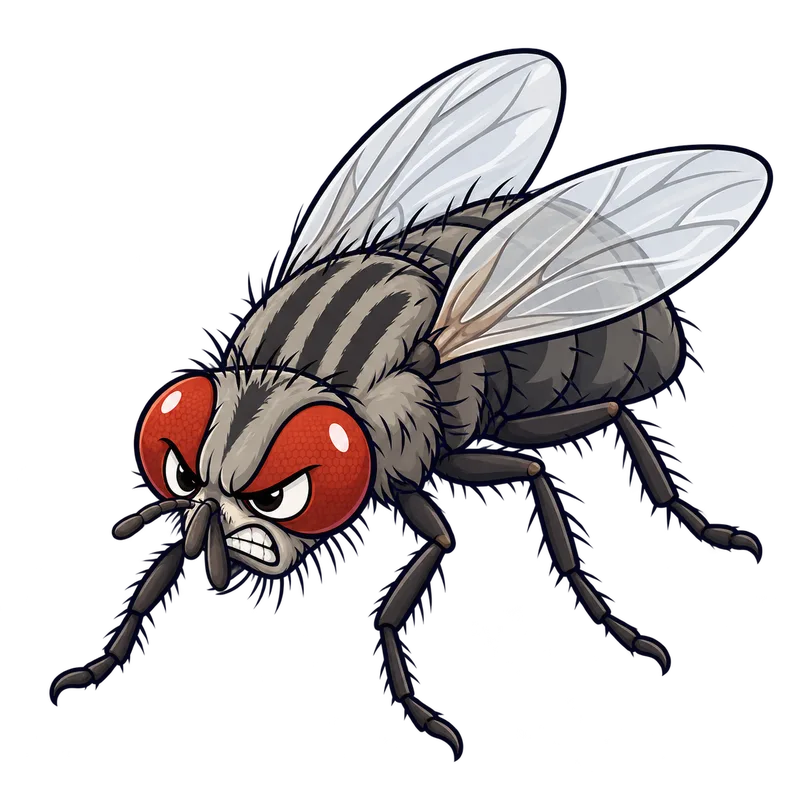
Yes, house flies do have antennae, but they are exceptionally short, compact, and tucked out of sight in a small facial depression between their large eyes. These antennae are reduced to three condensed segments, with the final segment carrying a tiny, feather-like bristle that helps the insect pick up temperature shifts, wind currents, and smells.
What is actually going on
You are standing at the kitchen counter, waiting for the coffee to drip, and a house fly lands squarely on the sugar bowl. You lean in close to shoo it away, wondering idly how it manages to navigate your kitchen with such irritating precision. Your eyes dart to its head, and you might find yourself asking whether the creature even has antennae. It seems entirely smooth up there, lacking the long, feathery appendages you notice on mosquitoes or moths.
To answer the question plainly: yes, house flies do have antennae, but they are exceptionally short, compact, and tucked out of sight. While mosquitoes sport long, thread-like feelers that stick out like vintage television rabbit ears, house flies keep things streamlined. Their antennae are hidden in a small facial depression right between their large, dark red compound eyes and directly above their mouthparts.
If you were to compare them to everyday objects, think of a modern car with a sleek, built-in window antenna instead of an old-fashioned metal whip swaying in the wind. The fly's antennae are designed not to catch the air or create aerodynamic drag while the insect performs its lightning-fast aerial acrobatics. Instead of projecting outward as obvious stalks, they are reduced to just three condensed segments.
The third and final segment is the largest part of the structure, and it carries a tiny, specialized bristle called an arista. Under a decent magnifying lens, this bristle looks remarkably like a microscopic feather. That feathery little attachment is packed with sensory receptors that help the fly pick up temperature shifts, wind currents, and the smells of your garbage can from across the room. Because this setup is so small and tucked into the face, untrained observers usually assume the insect has no antennae at all.
How to tell for sure
Confirming what you are looking at usually requires a quick look at the physical traits without needing a laboratory setup. For a basic field check using just your naked eye, you can look at the overall size and markings of the insect. A typical house fly usually measures about one-quarter of an inch long, carries a dull dark gray body, and displays four distinct dark longitudinal stripes running down the top of its middle section, known as the thorax. Its resting posture is typically flat and parallel to the surface, much like a sprinter crouching low to the ground.
When you want to look closer at the antennae or other fine details, a standard 10x to 30x hand lens is usually enough to reveal the truth. Through the lens, you can confirm whether the insect possesses those short, three-segmented aristate antennae typical of higher flies, or if you are actually dealing with a completely different insect group. The hand lens also lets you examine the mouthparts. House flies have soft, fleshy, sponging lobes at the end of their mouthparts rather than a rigid piercing structure.
Things can get tricky because several other flies look remarkably similar at first glance. For instance, the stable fly is nearly identical in size and also has four thoracic stripes, but it usually rests with its head cocked upward at an angle, and it features a rigid, bayonet-like snout protruding forward to bite ankles and legs. Cluster flies are larger and slower, usually distinguished by crinkled, golden-yellow hairs on their thorax. Face flies look almost identical to house flies, though female face flies usually require specialist magnification to spot a silvery eye stripe instead of a golden sheen.
If you spot a small fly inside that seems to run across the counter in short, jerky bursts rather than flying away, it is usually a phorid fly with a distinct humpbacked thorax. If you see tiny, fuzzy insects hovering near a bathroom drain that look like miniature moths, those are drain flies belonging to an entirely different suborder with long, feathery antennae.
What usually comes next
When you find yourself swatting at indoor flies, pausing to figure out what you are actually dealing with before you buy anything is the smartest move you can make. Treating standard house flies with methods designed for fruit flies or drain flies is a quick route to wasted money, because the actual nursery where they are breeding stays completely untouched.
House flies depend entirely on damp, rotting material to get through their life cycle. Their eggs turn into larvae that need garbage, spilled kibble, or decaying yard waste to feed and grow. If you notice a sudden wave of them, hunting down that messy breeding ground beats playing whack-a-mole with a rolled-up magazine every single time. Scrubbing out the trash cans, locking up food leftovers, and cleaning up pet messes will drop their numbers faster than any aerosol can.
When the swarm consists of cluster flies or face flies gathering on a sunlit siding during a cold snap, cleaning will not do a thing since they are just looking for a cozy spot to sleep off the winter. In that case, breaking out the caulk gun to seal up gaps around window frames is far more effective than hunting for nonexistent filth outside. Tailor your fix to the specific habits of the bug instead of treating every winged visitor with the exact same spray.
When to get help
Some fly problems outgrow what a weekend DIY project can fix, and knowing where to draw the line keeps your household safe. House flies carry nasty bacteria like salmonella and E coli on their feet, meaning a severe invasion inside a restaurant, a food processing plant, or a medical clinic calls for professional pest management right away.
Endless swarms of small flies like phorid or drain flies that stubbornly refuse to leave after you scrub every surface usually signal a hidden structural nightmare, such as a cracked sewer line, a broken drain pipe underneath a concrete floor, or soaked soil rotting away beneath the drywall. When the root cause is hidden inside the building itself, a licensed technician needs to run proper diagnostic tests rather than just spraying the rooms.
You also need to step back and call a professional if things take a strange turn health-wise. Any fly bites, severe swelling, worsening skin infections, or suspected physical infestation require a prompt visit to a doctor or an urgent care clinic. If someone or a family pet gets a dose of pesticide where they should not, get in touch with poison control or your vet right away. Finally, if the breeding source involves protected wildlife or a dead animal stuck deep inside a chimney or wall void, check in with your local animal control or municipal agency to keep everything above board.