
What are little white bugs in houseplant soil?
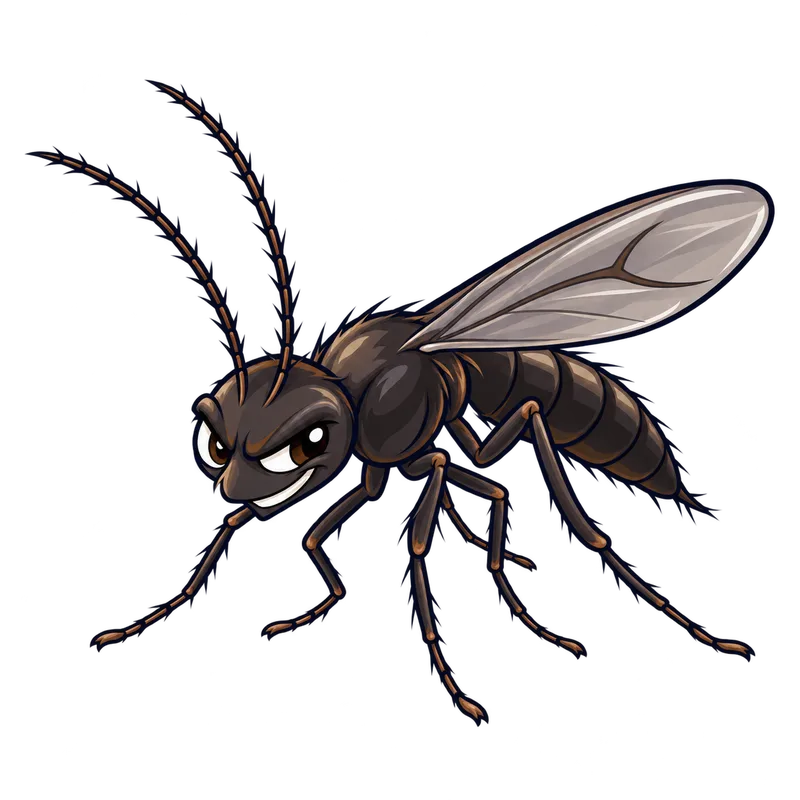
Most little white bugs in houseplant soil are harmless decomposers like springtails, which are about one to two millimeters long and bounce away when disturbed. The exact identity depends on their behavior, as populations often grow when potting mix stays constantly soggy. Other visitors include slow-moving soil mites or translucent fungus gnat larvae.
What is actually going on
You are watering your favorite fiddle leaf fig or peace lily, and suddenly, a flurry of tiny white specks starts scrambling across the surface of the potting soil. It feels a bit like discovering an uninvited colony has moved into your living room overnight. The good news is that most of the time, these little white bugs in houseplant soil are completely harmless decomposers just doing their job.
Think of your houseplant pot as a miniature forest floor. The soil holds bits of decaying organic matter, old root fragments, and microscopic fungi. When the mix stays damp for too long, it creates a cozy, humid pocket ecosystem. Tiny organisms move in to feed on that rotting material.
The most common visitors are springtails, which are minute, moisture-loving creatures that get their name from a specialized jumping organ on their bellies. You might also spot slow-moving soil mites or the translucent, legless larvae of fungus gnats. None of these critters are looking to murder your plant. They are simply recycling dead organic matter and munching on soil fungi.
The trouble usually starts only when populations explode, or when you are dealing with an entirely different kind of bug. While detritivores eat the garbage, true plant pests pierce or chew living roots. Root mealybugs or immature scarab beetles operate differently, and they will actively drain the life out of your plant. Identifying what you are actually looking at is the only way to know whether you should relax or take action.
How to tell for sure
You need to look closely at how these bugs move and what they look like, ideally using a hand lens or a jeweler loupe if you have one. Springtails are usually about one to two millimeters long, and when you gently touch the soil or water the plant, they will usually leap or bounce away like tiny grains of salt with springs on them.
Fungus gnat larvae look entirely different. If you dig just beneath the surface of damp potting soil, you might find tiny, translucent, worm-like grubs. They do not have legs, but they usually have a distinct, shiny black head capsule. Meanwhile, adult fungus gnats are the small black flies you often see hovering around the leaves or resting on the rim of the pot.
If you are dealing with root mealybugs, the scene changes. These pests do not bounce or fly. Instead, they usually look like slow-moving, soft-bodied insects covered in a powdery, white, cottony wax. They tend to congregate in clusters right along the root ball or stuck to the inside wall of the pot, looking like tiny dabs of powdered sugar or lint.
Moisture is usually the main driver behind high populations. When peat-based or compost-rich potting mixes stay constantly soggy, they form ideal microclimates for fungi and bacteria. That extra moisture lets the harmless decomposers multiply rapidly, which is why you tend to notice them most during the darker winter months or after overzealous watering schedules.
What usually comes next
Before you reach for a bottle of anything, your best move is usually a straightforward shift in how you water. Let the top couple of inches of your potting soil dry out completely between watering sessions. Fungus gnat eggs and tiny larvae need constant dampness, and they simply will not make it in a dry top layer.
You can back this up by adding a dry physical barrier right on top of the dirt. Putting a half-inch layer of clean, coarse sand or dry perlite over the soil creates a dry desert effect on the surface. Adult gnats hovering around will skip your pot entirely because they cannot reach the wet soil underneath to lay their eggs.
If you confirm a heavy population of fungus gnat larvae chomping away below, you can use a targeted soil drench featuring a natural bacterium called Bacillus thuringiensis subspecies israelensis. This specific microbe goes after fly larvae in their digestive tracts while leaving your plant roots, your pets, and you completely unharmed.
When you find root mealybugs tucked away in the root zone, you need to spot-treat them directly. You can touch individual bugs with a cotton swab dipped in seventy percent isopropyl alcohol to break down their protective waxy layer. Skip the kitchen dish soap when you are tempted to mix up a quick spray. Harsh detergents strip plants of their natural leaf waxes and leave you with severe burns along the edges of the foliage.
When to get help
Most everyday soil pests can be handled right at home with simple changes to your watering habits and gentle biological controls. Still, certain situations call for backup. If your houseplants are part of a massive indoor jungle collection, or if you are fighting stubborn, destructive bugs that just will not quit despite your best efforts, talk to a licensed commercial pest control operator or a certified arborist.
Safety always comes first, particularly when you have pets sharing your space. If you do decide to use store-bought pesticides, treat the product label as the final law. Never make up your own mixing ratios, brew custom tank mixes, or skip the safety gear recommended on the container.
Keep in mind that products containing pyrethrins or related synthetic compounds are extremely toxic to cats and fish. If you share your home with cats that love to brush against pots or sniff around the dirt, leave those particular chemicals off your shelf entirely.
Finally, if you think your plant has picked up an unusual or regulated agricultural pest, isolate the pot right away and call your local agricultural extension office or government plant health department. And if anyone in your home develops skin irritation, rashes, or health worries connected to bugs, put down the magnifying glass and talk to a doctor or your local poison control center immediately.