
Why are fruit flies attracted to me?
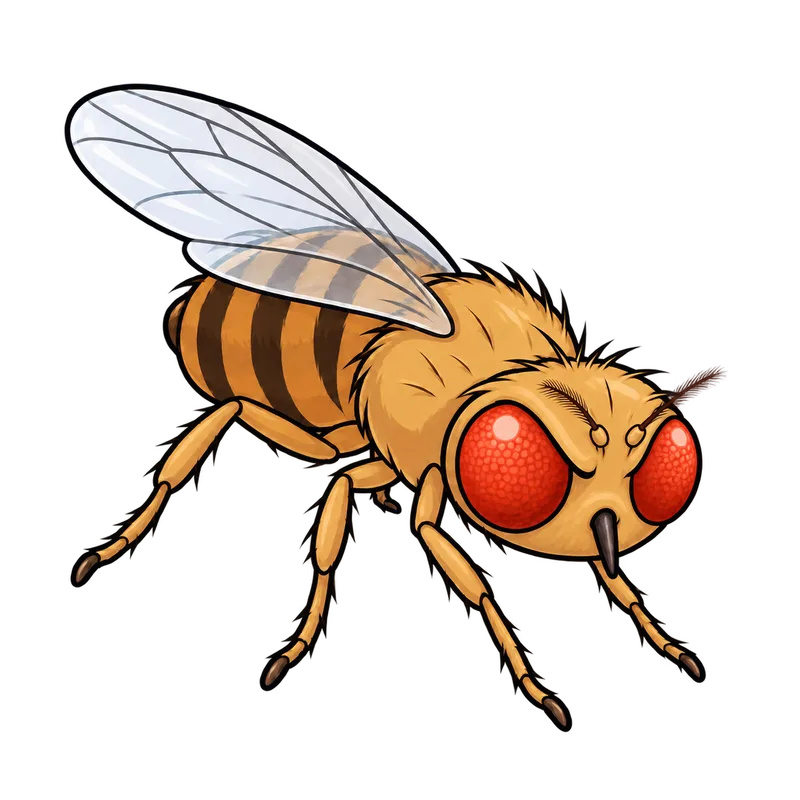
Fruit flies are attracted to you because they track microscopic scent plumes of volatile organic compounds drifting off your skin, breath, sweat, lotions, or nearby drinks. True fruit flies do not bite or hunt humans, but you might also be attracting fungus gnats that love your exhaled carbon dioxide.
What is actually going on
You are sitting on the couch on a quiet Tuesday evening, scrolling on your phone, when a tiny speck of a bug lands squarely on your hand. You swat it away, but a minute later, it is back near your face. It feels personal, almost as if the insect booked an appointment specifically to annoy you. But before you take it personally, know that fruit flies are not hunting you for sport, and they certainly are not trying to bite you.
What is actually happening comes down to chemistry and basic survival instincts. True fruit flies do not have biting mouthparts or any interest in human blood. Instead, they are tracking microscopic scent plumes drifting off your skin, breath, or nearby surfaces. They follow these volatile organic compounds, which are simply the airborne vapor trails given off by things like carbon dioxide, sweat, lotions, or a glass of cider you finished an hour ago.
There is also a strong chance that the bug dive-bombing your face is not a fruit fly at all. Humans frequently mix up several different tiny winged insects. Fungus gnats love the carbon dioxide you exhale and light up your phone screen in a dark room. Phorid flies are attracted to body moisture and facial secretions. If something is actually biting you and leaving an itchy welt, you are dealing with biting midges or black flies, not a vinegar fly.
How to tell for sure
Identification comes before control, and you do not need a laboratory microscope to figure out what is visiting you, though a simple hand lens helps if you want to be certain. Common fruit flies usually feature a tan or yellowish body, bright red eyes, and distinct dark bands across their abdomen. If you look at them under magnification, you can usually spot a feathery bristle right at the tip of their antenna.
Behavior tells you just as much as appearance. If the insect runs across your kitchen counter in fast, erratic, jerky sprints before finally taking flight, you are usually looking at a phorid fly rather than a fruit fly. If it is a delicate, mosquito-like creature with long legs hovering near your houseplants, it is usually a fungus gnat. If you see a moth-like fly with fuzzy wings resting on your bathroom wall near a drain, it is usually a drain fly.
You can also check where they hang out. Fruit flies usually hover directly over ripe produce, unrinsed beer bottles, or damp recycling bins. Fungus gnats usually stay close to the damp potting soil of indoor houseplants. Separating these species matters because setting out vinegar traps around your houseplants will do nothing if you actually have soil-dwelling gnats.
What usually comes next
Once you know you are dealing with fruit flies rather than gnats or biters, your main practical choice is deciding whether to scrub out breeding sites or just set out traps for the adults. Trapping alone will never fix the issue if the source stays right where it is. Adult flies lay hundreds of eggs in wet, rotting gunk, which means new ones will hatch faster than you can catch them if you leave the root cause alone.
Making the right call means skipping the aerosol bug sprays and hunting down the actual breeding ground. Check the dark corners of your pantry for forgotten potatoes or onions that have turned soft. Look under the refrigerator for spilled juice or check your recycling bin for unwashed soda cans. If you set out a simple trap made of apple cider vinegar and a single drop of unscented dish soap, you will catch the lingering adults, but the infestation will only truly end once you wash away the fermenting food source they depend on. For drain or moth flies, pouring bleach or boiling water down the sink does not remove the thick slimy layer lining the pipes, so physical scrubbing with a stiff brush and using specialized enzyme cleaners are required.
When to get help
Most small fly problems clear up with basic kitchen cleaning and traps, but certain situations call for outside help. If you notice stubborn swarms of phorid flies in a healthcare setting, a commercial kitchen, or a senior care facility, you need to bring in a licensed pest control professional right away because these insects can carry germs from dirty drains or waste pipes onto food prep surfaces.
Structural issues also demand professional help. When small flies keep showing up and you cannot find a source in your food or plants, the breeding ground is usually hidden behind walls or beneath concrete floors, such as a cracked sewer pipe or a leaking shower pan. A professional has the tools to locate these hidden plumbing failures.
On the health side, remember that pest writers do not diagnose medical conditions. If you or someone in your household experiences severe allergic reactions, weeping skin lesions, infected bites, or persistent health issues from what you suspect were insect attacks, consult a qualified clinician, an urgent care facility, or your regional poison control center without delay.