
Do fruit flies carry disease?
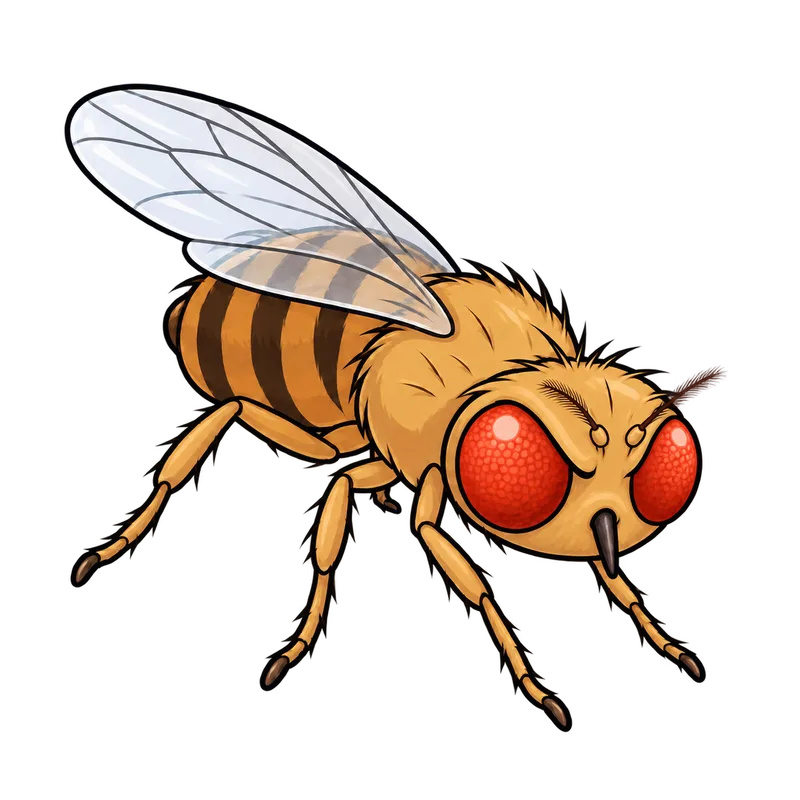
Yes, fruit flies carry disease by acting as mechanical vectors that pick up bacteria and fungi on their bodies. They deposit these microbes onto food and counters through dirty feet, regurgitated digestive fluids, and feces. For the average household, this contamination usually poses a minor sanitation hazard rather than a major public health emergency.
What is actually going on
You walk into the kitchen on a warm Tuesday morning, reach for a banana on the counter, and a tiny cloud of pale, red-eyed insects launches into the air. Most people wave a hand, mutter something about leaving fruit out too long, and wonder if those pesky bugs are about to ruin the whole bowl. But then a more unsettling thought crosses your mind as you watch them settle back down on your fresh produce. Are those little visitors carrying anything you should worry about?
The short answer is yes, but not in the way a mosquito or a tick carries disease. Fruit flies do not bite, and they do not harbor internal pathogens that replicate in their bodies like malaria or West Nile virus. Instead, they act as mechanical or passive vectors. Think of a fruit fly landing on rotting organic matter the same way you might think of a person walking across a muddy construction site in heavy work boots, then walking straight across a freshly cleaned white rug. The fly is not infected itself, but it picks up microscopic bacteria, yeasts, and fungi on its feet, body bristles, and mouthparts, carrying that invisible hitchhiker directly onto your food and kitchen counters.
When these insects move from fermenting garbage cans, sticky recycling bins, or damp drain sludge to your dinner table, they deposit those microbes through a few unpleasant methods. Aside from simply walking over your food with dirty feet, they regurgitate digestive fluids to liquefy solid food before eating it, and they leave behind tiny fecal specks. If you accidentally ingest food heavily contaminated by fruit fly eggs or larvae, it can occasionally lead to mild gastric irritation, diarrhea, or a rare, temporary condition where the larvae survive briefly in the human digestive tract.
For the average household, a few vinegar flies buzzing around the fruit bowl represent an annoying sanitation hazard rather than a major public health emergency. However, the calculation changes in commercial kitchens, food processing plants, or healthcare facilities, where sterile surfaces and clean food are non-negotiable. While a residential infestation is mostly a matter of lost appetite and ruined groceries, understanding how these insects operate helps put the actual risk into perspective.
How to tell for sure
Before worrying about what a bug might be carrying, you usually need to figure out what you are actually looking at. Common kitchen fruit flies, scientifically known as vinegar flies or pomace flies, are tiny, measuring roughly 1.5 to 4 mm, which is about one-sixteenth to one-eighth of an inch long. They usually feature a tan or yellowish-brown body, bright red eyes, and dark transverse stripes across the abdomen. When they fly, they tend to have a slow, hovering motion rather than darting away like house flies.
If you happen to have a magnifying lens handy, you can look closer at their anatomy to confirm the family. These flies possess a distinct feathery bristle, known as an arista, on the third segment of their antennae. While most common indoor fruit flies sport those bright red eyes, you might occasionally encounter dark-eyed fruit flies. These relatives have blackish bodies and dark-red to black eyes, and they usually breed in damp, heavily decomposed organic residues, floor drains, or urinals rather than fruit bowls, which makes them a higher risk for bacterial contamination.
It helps to know that not every tiny indoor pest is actually a vinegar fly. Drain flies appear fuzzy and resemble miniature moths, resting quietly on bathroom walls and shower enclosures where they thrive in slimy pipe buildup. Phorid flies display a noticeable humpbacked shape and run quickly across counters instead of taking flight, which often signals a hidden sewer leak or rotting material tucked under a floorboards. Fungus gnats resemble frail little mosquitoes and prefer hanging around the damp dirt of houseplants that get a bit too much water.
There is also an agricultural twist to keep in mind, particularly if you grow soft crops or pick up fresh berries from a farm stand. The spotted wing drosophila is an unwelcome arrival that targets firm, undamaged fruit while it is still ripening on the branch instead of waiting for it to rot on the ground. Females of this species carry a large, dark, saw-toothed egg-laying organ that cuts right into the skin of the fruit. While you generally need a magnifying tool to spot those tiny teeth, the males are simple to identify because each wing tip features a single dark brown spot.
What usually comes next
Faced with a cloud of tiny insects hovering over the counter, the most sensible move is to track down and eliminate the breeding ground rather than grabbing a can of bug spray. People occasionally believe that fruit flies appear out of thin air from old fruit, but the adults always fly in from somewhere else, slipping through open doors, drifting right through ordinary window screens, or hitching a ride on grocery bags.
If you mist an aerosol spray across the kitchen, you might drop the adults flying through the air right then and there. But if that forgotten potato at the back of the pantry or the unwashed soda can in the recycling bin stays put, a fresh batch of eggs will hatch in a few days, and the swarm will be right back. Pest control professionals and agricultural extension agents stress that managing indoor flies depends entirely on thorough cleaning and drying things out.
Your best strategy is to hunt down any source of fermentation or damp sludge, seal it tightly in a plastic bag, and carry it straight out to the garbage bin. Once you toss out the wet paper towels hiding at the bottom of the trash, scrub the sticky residue out of the recycling tub, or clean out a sluggish drain, the food source vanishes, and the flies go with it. Simple traps made from apple cider vinegar and a drop of dish soap can catch the stragglers while you clean, but they will never fix the issue if the breeding ground stays untouched.
When to get help
Most kitchen fly issues clear up with basic cleaning and a bit of patience, but certain situations mean it is time to call in professionals. If someone suffers from severe stomach pain, ongoing vomiting, cramps, or prolonged diarrhea after eating food that was badly contaminated by insects, reach out to a doctor, urgent care clinic, or poison control center immediately.
On the structural side, stubborn swarms that refuse to disappear despite deep cleaning and zero exposed fruit usually point to a hidden breeding site. When small flies keep emerging from cracks near baseboards or out of sink drains day after day, the trouble is often structural. This can mean a broken sewer pipe beneath a concrete slab, a cracked drain line hidden inside a wall, or ongoing moisture trapped in a subfloor space.
In those situations, property owners should bring in a licensed pest control technician or a qualified plumber to check the plumbing and seal up structural gaps. For commercial restaurants, medical facilities, or food packing plants, finding these pests is a health code violation that demands professional pest management and proper species identification.