
Do dragonflies eat horse flies?
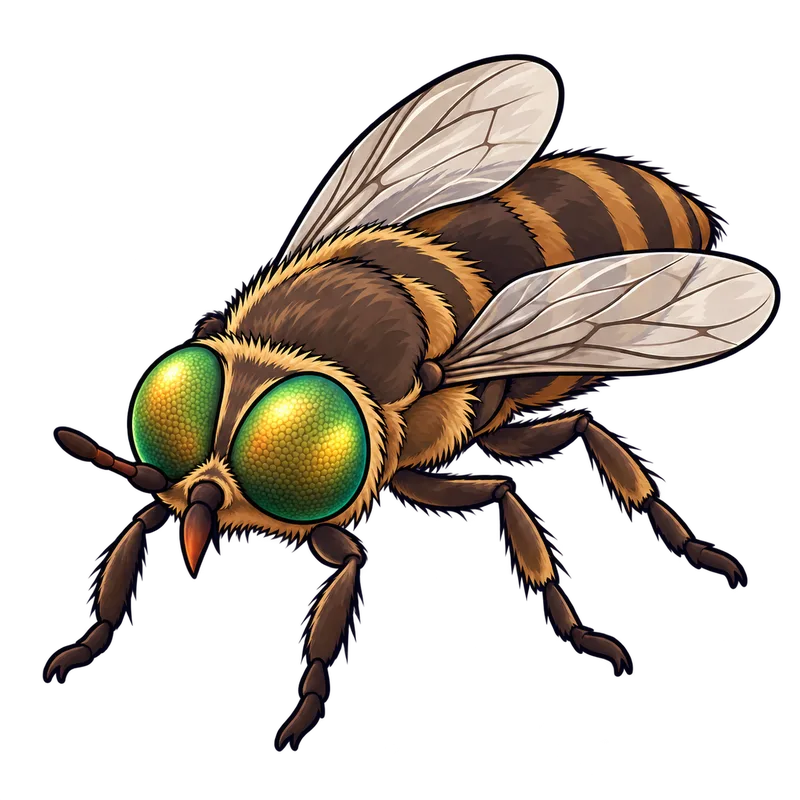
No, dragonflies do not specifically hunt horse flies or control their numbers in any meaningful way. While dragonflies are voracious generalist predators, horse flies are remarkably robust and fast fliers measuring up to an inch and a quarter long, making them difficult targets to catch.
What is actually going on
You are standing by a pasture pond on a brilliant July afternoon, watching a flash of iridescent blue dragonflies darting back and forth over the reeds. Just a few feet away, a massive horse fly circles your horse with a loud, aggressive buzz before landing squarely on its flank. It is tempting to think those master-class aerial hunters zipping around your head will swoop in and solve your biting fly problem, but they usually will not. While dragonflies are voracious generalist predators that eat plenty of flying insects, academic literature and field observations do not provide evidence that dragonflies specifically hunt horse flies or control their numbers in any meaningful way.
It is easy to see why the idea persists because both creatures share the same sunny airspace near water. Dragonflies act more like general park rangers patrolling the air for any opportunistic snack that fits their size rather than specialized exterminators hunting down specific pests. Horse flies are remarkably robust, exceptionally fast, and agile fliers that measure up to an inch and a quarter long. That size and speed make them quite difficult targets for a dragonfly, which usually prefers smaller, softer prey that is easier to snatch and consume on the wing.
The belief that buying or attracting dragonflies will clear these biting pests from a property is a popular hypothesis without real backing. When you look at the actual science, no field trials or stomach-content analyses show dragonflies making a dent in a horse fly population. Dragonflies belong to the order Odonata and possess four heavily veined wings, whereas true flies belong to Diptera and have just a single pair of functional wings. They occupy the same landscape, but they operate in entirely different ecological spheres.
How to tell for sure
Identifying a horse fly comes down to looking at its physical build and behavior rather than waiting for a predator to catch it. Adult horse flies usually measure anywhere from three-quarters of an inch to an inch and a quarter long, while their smaller cousins, deer flies, generally run from a quarter to a half-inch with distinct dark cross-bands on their wings. If you manage to get a close look, you will notice massive compound eyes that often display vivid green or purple stripes. They also have short, stiff antennae and a stout body designed for heavy flight.
The most telling feature of a female horse fly is hidden right underneath its head. Unlike mosquitoes that use a needle-like tube to pierce skin, female horse flies possess heavy, blade-like mouthparts. When they land, they use these mouthparts like a tiny pair of scissors to slice the skin and create a pooling wound, which they then lap up. If you are examining a smaller pest buzzing around horses or cattle, you might actually be looking at stable flies, which look like ordinary house flies and bite around the legs with a forward-projecting mouthpart.
Trying to figure out which bug bit you by staring at a swollen welt is a waste of time. Biting midges, black flies, stable flies, and horse flies all leave behind painful, itching bumps that look almost identical. If you really want to know what bit you, you have to catch the actual fly and look at it under good light or magnification to check its mouthparts and wing veins.
What usually comes next
Since buying or attracting dragonflies will not clear your yard of horse flies, your best bet is to focus on physical defenses and simple property management instead of relying on chemical sprays. Trying to fog a whole pasture with insecticide is a waste of money because adult horse flies only touch down on an animal for a quick meal and spend the rest of their time flying all over the place. Spraying your yard will just miss the bugs completely.
Instead of waiting for a miracle bug to solve the problem, give your horses or cattle a dark, shady barn to retreat to during the hottest afternoon hours when horse flies are out in force. As for yourself, wear light-colored, smooth, long-sleeved clothes and a hat because these flies zero in on dark, moving, warm targets. If your property backs up to a marsh or wet woods, keeping your window and door screens in good shape is your best defense against keeping them out of your house.
When to get help
When horse flies become a constant torment that causes serious physical distress for you or your animals, it is time to call in professionals. If a bite causes massive swelling, intense pain, or signs of an allergic reaction, get medical help right away from a doctor, urgent care clinic, or poison control center. Those sliced-up bites can easily get infected if you scratch them, which means a trip to the clinic.
For farm animals, a heavy swarm of these pests can lead to constant stress, anemia, and sudden drops in milk or weight. Talk to a veterinarian if your animals start looking weak, running a fever, or dropping weight, because horse flies can spread serious animal diseases like Equine Infectious Anemia. On top of that, if you are planning to dredge a pond or alter a wetland on your property to cut down on breeding grounds, check in with your local environmental agency first to stay on the right side of the law. Any heavy-duty chemical treatments around a barn or commercial property need to be left to a licensed pest control operator.