
Does BTI work for fungus gnats?
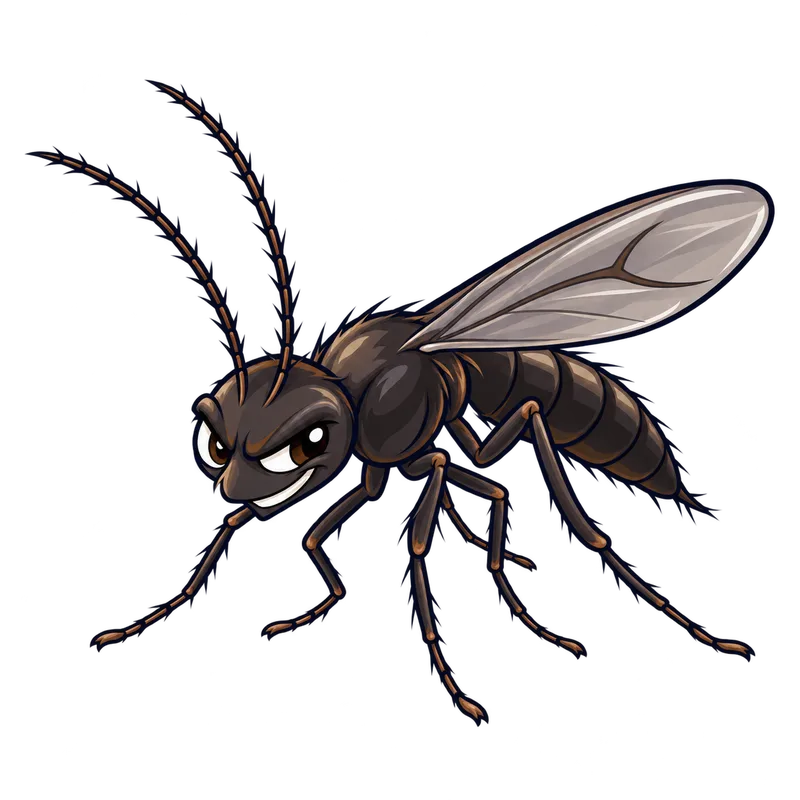
Yes, Bacillus thuringiensis subspecies israelensis works for fungus gnats by destroying the digestive tract of the immature larvae in the soil. It only kills the feeding larvae and has zero effect on adult gnats or pupae. Clearing an infestation depends on pairing a liquid soil drench with letting the topsoil dry out.
What is actually going on
You walk over to water your favorite fiddle-leaf fig, and as the spout tips forward, a small cloud of tiny, dark flies erupts from the damp dirt. You wave them away, thinking they are just passing visitors from the open window, but a few days later, they are still hovering around every houseplant in the room. If you are wondering whether Bacillus thuringiensis subspecies israelensis, or BTI for short, can clear them out, the short answer is yes. It is one of the most reliable weapons you can use, but only if you understand how it actually operates underground.
That small cloud of insects is living a very specific life cycle right beneath your feet. An overwatered houseplant pot acts like a tiny indoor marsh, where organic matter breaks down and mold spores thrive. The adult gnats lay eggs in that damp top layer, and out hatch small, translucent larvae with shiny black heads. Those larvae chew on organic debris and tender plant roots just a couple of inches below the surface.
This is where BTI comes in like a targeted lock and key. When you apply BTI as a liquid drench to the potting soil, the microscopic bacterial spores and protein crystals are swallowed by the feeding larvae. Once inside their midgut, the protein destroys their digestive tract. Because BTI is a biological larvicide designed specifically for fly and mosquito relatives, it leaves your pets, your plants, and beneficial earthworms entirely unharmed.
Here is the catch that trips up a lot of gardeners. BTI has zero effect on adult gnats or non-feeding pupae. It only kills the immature insects currently munching on your soil. If you only pour BTI into the pot and ignore the adults buzzing around your living room, you are only fighting half the battle. The surviving adults will keep laying fresh eggs, and the cycle starts over.
How to tell for sure
Before you mix up a batch of treatment, make sure you are actually dealing with fungus gnats and not some other uninvited guest. Adult fungus gnats are tiny, measuring about one-sixteenth to one-eighth of an inch long. They usually have dark gray or black bodies, delicate clear wings, and a weak, hovering flight pattern that keeps them close to the pots rather than darting across the room. If you gently tap the side of the plastic nursery pot, several of them will usually flutter up and settle right back down on the damp soil surface.
If you squint closely or use a magnifying glass, you might spot the larvae wriggling in the top two to three inches of the potting medium. They look like tiny, legless worms with distinctly shiny black head capsules. Gardeners sometimes confuse them with fruit flies, but fruit flies have stout, tan bodies and prominent red eyes, and they usually hang around the kitchen fruit bowl rather than plant pots.
You might also come around to phorid flies or drain flies, but those usually point to a different problem entirely. Phorid flies scuttle across surfaces in short, jerky runs instead of flying, and they breed in damp garbage or sewage issues. Drain flies look like tiny, fuzzy moths and live in the gelatinous slime inside bathroom drainpipes. None of these lookalikes care much about your houseplants. Most importantly, fungus gnats do not bite humans or animals, so if you are waking up with itchy red marks, another culprit is to blame.
What usually comes next
Now that you have pinned down what is buzzing around your greenery, your next move involves changing the environment alongside your treatment. You really have to stop treating your houseplant pots like bottomless watering holes. Fungus gnat larvae depend on damp organic matter and soil fungi to survive, meaning overwatering is almost always the root cause of the whole mess.
Allow the top two to three inches of your potting soil to dry out completely between waterings. This simple habit makes the upper layer hostile to new eggs and young larvae. Empty and scrub out any standing water in the saucer beneath the pot so moisture does not wick back up through the drainage holes.
Pair that drying-out process with your BTI soil drench. Mix the liquid biological product strictly according to the package directions, and pour it evenly across the soil so it reaches those feeding larvae down below. At the same time, set out yellow sticky cards right at soil level to catch the adult females before they can lay another round of eggs. Neglecting the dry-down phase while relying only on the drench usually leads to a frustrating cycle where the gnats just bounce right back.
When to get help
Most indoor houseplant infestations are manageable with a bit of patience, dry soil, and targeted BTI treatments, but certain situations call for outside help. If you are running a commercial greenhouse, a large indoor nursery, or managing severe crop wilting and root damage, you need to bring in a licensed pesticide applicator or an agricultural extension specialist. Large-scale outbreaks can carry plant pathogens that require professional oversight.
Sometimes, indoor flies persist even after you let every houseplant pot dry out completely. If that happens, the breeding site is likely hidden away from your houseplants. You might be dealing with a broken sewer line, a sub-slab plumbing leak, or a rotting structural void that requires a professional pest control operator to track down and resolve.
On the health side of things, if someone in your household reports itchy bites, unexplained skin lesions, or severe allergic reactions, skip the gardening advice entirely. Direct them immediately to a primary care clinician, an urgent care facility, or your local poison control center. Fungus gnats do not possess biting mouthparts, so any skin reaction needs a proper medical evaluation rather than pest control.