
How do you deal with a wasp nest in a wall?
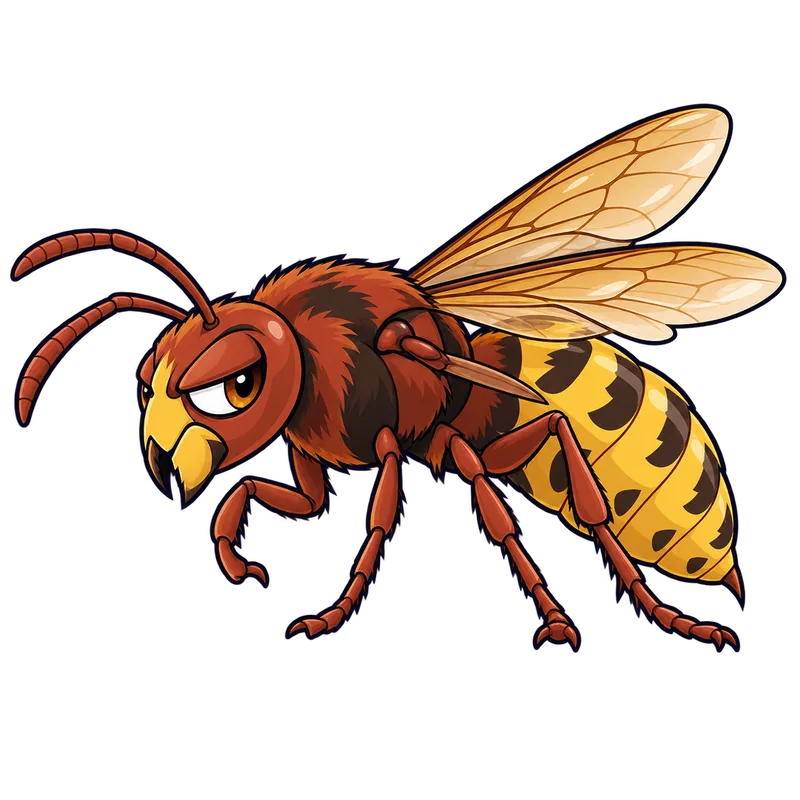
Dealing with a wasp nest in a wall requires patience and professional help, rather than quick fixes like consumer sprays or sealing the hole shut. Trapped insects will chew through interior drywall within a day or two. For an active colony, contact a licensed structural pest control professional who can use specialized dust injectors.
What is actually going on
Picture stepping out onto the back patio on a warm Tuesday afternoon. You notice a steady, purposeful stream of yellow and black insects disappearing right behind the siding near the kitchen window, as if the wall of your house is a busy airport runway. That is not just a few stray bugs scouting for a place to rest. You are looking at a colony of social wasps that has moved into the structural wall void, building a multi-layered paper nest out of chewed wood pulp and saliva, complete with a queen and hundreds or even thousands of developing workers.
People often assume that grabbing an aerosol can of bug spray from the hardware store and blasting the hole will solve the problem in an evening. Unfortunately, treating an enclosed wall cavity is completely different from spraying an exposed nest hanging from a tree branch. Liquid consumer sprays rarely reach the core of the nest hidden deep behind the drywall. Instead, the liquid usually just irritates the guard wasps sitting right inside the entrance pipe. Those agitated insects release alarm pheromones that send the entire colony into a defensive frenzy.
Even worse is the temptation to grab a tube of caulk or expanding foam and seal that exterior hole shut to keep them out for good. Doing that while the nest is active is a classic mistake with an unpleasant payoff. Trapped workers with nowhere to go will chew through interior drywall, plasterboard, or ceiling material within a day or two, suddenly emerging inside your bedroom or living room. Dealing with a nest in a wall requires patience, proper identification, and a careful approach that respects how these insects behave when they are cornered.
How to tell for sure
Before you decide what to do next, you need to know who is living in your wall. The primary culprits in North American structural voids are yellowjackets and European hornets. Yellowjackets are usually about half an inch long, sporting bold yellow and black bands on smooth, hairless bodies. They are fiercely defensive near their nests and become a nuisance around outdoor meals late in the summer. European hornets are much larger, reaching up to an inch and a half, with a reddish-brown head and thorax and a yellow abdomen marked with black teardrop shapes. Unlike yellowjackets, European hornets are nocturnal and often get noticed when they thump against lighted windows at night.
You also have to keep an eye out for less common residents that change the rules entirely. Honey bees sometimes colonize wall cavities, bringing along heavy combs of honey and wax. If you suspect honey bees, you usually want a beekeeper to handle a live extraction rather than using chemicals, because leaving a dead hive inside a wall invites melting honey and secondary pests like carpet beetles or rodents.
In some regions, you might encounter the invasive yellow-legged hornet, which has a dark body and bright yellow tips on its legs, almost like it is wearing high socks. If you spot one of those, do not attempt to treat it yourself. Take a clear photograph from a safe distance and report it directly to your state department of agriculture or local extension office. On the other hand, the northern giant hornet, once a major worry, was officially declared eradicated from the United States at the end of twenty twenty-four, so you do not need to panic about that particular insect anymore.
What usually comes next
Your main practical decision boils down to timing and professional help. When you find an active nest inside a wall void, you generally want to step back and maintain a safe observation boundary of at least ten to fifteen feet so children and pets stay out of harm's way. Check the exterior during the day to map out all the entry and exit points, but remember the golden rule of structural pest control: never block, caulk, or foam that hole while the colony is active.
Because pesticide regulations state that the product label is the law, any chemical application must follow federal and state guidelines precisely. Standard consumer products are rarely up to the task of treating deep structural voids safely. For an active nest during the warm months, your safest path is to contact a licensed structural pest control professional. These technicians use specialized equipment, such as long-handled dust injectors, to deliver EPA-labeled insecticidal dusts directly into the void where the wasps live.
If you discover the nest late in the autumn when temperatures are dropping, the situation can look a bit different. In northern climates, unheated wall void colonies naturally die off with the winter frosts. If it is late October or November and the wasps are not chewing their way into your living space, waiting for natural frost collapse before sealing up the exterior gaps is sometimes a viable option. Once all flight activity has completely ceased for several days, and a professional confirms the colony is gone, you can finally seal up those cracks and utility penetrations with confidence.
When to get help
Stinging insects can turn a quiet afternoon into a medical emergency very quickly. If anyone in your home is stung and shows signs of a severe allergic reaction, such as difficulty breathing or swallowing, chest tightness, swelling of the lips or throat, widespread hives, or dizziness, call emergency services immediately. Anyone with a known allergy should use an epinephrine autoinjector right away. For regular stings, wash the site with soap and water, apply a cold compress, and remember that everyone who gets stung needs to verify their tetanus vaccination status to make sure they do not need a booster.
You should also bring in professional help whenever a nest is located inside structural wall voids, attics, or crawlspaces, or if you suspect nocturnal European hornets or invasive yellow-legged hornets are involved. If anyone in the household has a compromised immune system or a known stinging insect allergy, professional intervention is mandatory. Let trained applicators handle the void treatments so you can skip the risk of angry wasps pouring out of your living room baseboards.