
What should you do about a yellow jacket nest in the ground?
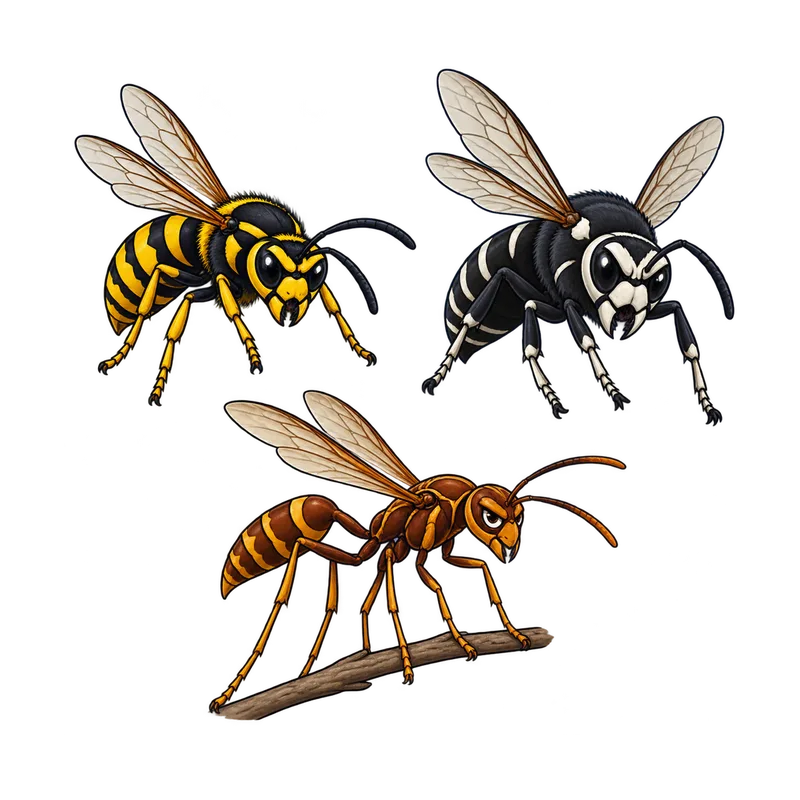
Leave a yellow jacket nest in the ground alone if it sits in a corner of the yard where nobody walks, because the colony dies off with the first hard frosts of autumn. If it is near a patio, walkway or dog run, treat it at night with a product labeled for ground-nesting wasps, or call a licensed professional.
What is actually going on
Imagine walking across the backyard on a warm Saturday afternoon, pushing the lawnmower, when suddenly a cloud of angry, striped insects erupts from the grass near your feet. You are not stepping on an anthill. You have just rattled an underground yellow jacket nest, and those workers are treating your lawnmower like an earthquake. Yellow jackets are social wasps that frequently take over abandoned rodent burrows, tree root voids, or deep soil cavities to build their papery homes.
What starts in the spring as a tiny comb built by a single overwintered queen grows into a massive colony by late summer. Thousands of workers share that subterranean space, protecting a single, narrow entrance hole in the dirt. Because their stingers lack the barbs of honeybees, a single yellow jacket can sting you repeatedly while releasing chemical alarm signals that call out the rest of the underground army.
A common belief is that you can just pour a kettle of boiling water down the hole or dump old gasoline into the burrow to solve the problem quickly. That approach usually fails to reach the deep brood chambers and often creates severe safety hazards, fire risks, or chemical soil contamination. Worse yet, blocking the entrance hole with a brick during the day accomplishes nothing useful because the insects simply chew a new exit path through your lawn or end up tunneling into house crawlspaces and wall voids.
How to tell for sure
Before doing anything, you need to know what you are looking at. An underground yellow jacket nest usually announces itself through a discreet hole in the turf or garden bed, with zero excavated soil or mud turrets piled around the rim. The dead giveaway is a steady, high-speed stream of hairless, yellow-and-black striped insects zooming directly in and out of the ground like airplanes landing at a busy airport terminal.
You should never walk right up to that opening to inspect it. Stay at least 10 feet away and use binoculars or a phone camera zoom if you need a closer look. If the insects are fuzzy, stout, and carrying bright yellow pollen on their hind legs, you are likely looking at native ground-nesting bees or bumblebees, which usually do not warrant interference. If you happen to live in a region where invasive lookalikes have been spotted, check for distinct markings such as unusually large bodies or bright yellow leg segments. When you spot unusual traits or potential giant hornets, agricultural authorities usually prefer you take a photo from a safe distance and report it rather than treating it yourself.
What usually comes next
Your next move depends entirely on location and risk. If that underground nest sits in a remote, wild corner of the yard where nobody walks or mows, the most sensible choice is often to leave it alone. Yellow jacket colonies are strictly annual. When the first hard frosts arrive in autumn, the workers and the old queen die off, and that paper nest is abandoned permanently and never used again in subsequent years.
When the nest sits right next to a patio, a dog run, or the front walkway, you have to act. If you decide to handle a general-use pesticide yourself, the application must happen strictly at night when the foragers have returned home and the colony is sluggish. You will need thick protective clothing, a flashlight equipped with a red filter so you do not draw attacking wasps, and an EPA-registered aerosol or dust labeled specifically for ground-nesting wasps. Follow the product label to the letter because the label is the law, and straying from those directions violates federal and state pesticide regulations. If you prefer to bypass the chemical aisle or if the nest is located under a concrete slab, hiring a licensed pest control professional with proper subterranean equipment is usually the cleanest route.
When to get help
Some situations call for an immediate surrender of the do-it-yourself mindset. If anyone stung by these insects develops swelling of the lips, tongue, throat, trouble breathing, dizziness, or widespread hives, call 911 right away because those are signs of a severe allergic reaction requiring emergency medical care. For ordinary stings that leave local pain and swelling, wash the skin with soap and water, apply a cold pack, and call Poison Control for guidance if you need it, remembering that any soil-contaminated wound or sting may also require a tetanus booster evaluation if your shots are out of date.
You should also hand the job over to a certified professional if the nest sits right against your house foundation where the underground cavity connects to interior structural voids, or if the opening is trapped beneath a concrete porch slab where ordinary sprays cannot penetrate. Schools, daycare facilities, and commercial properties also require professional intervention to comply with strict public safety, notification rules, and local pesticide regulations.