
What should you do about yellow jackets in a wall?
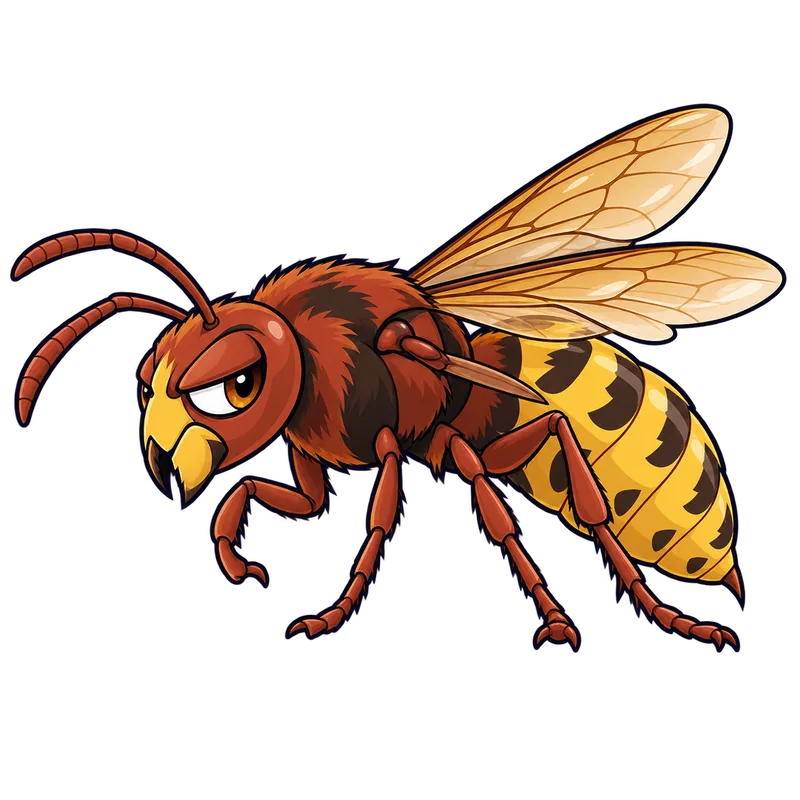
You should never seal the exterior hole of a yellowjacket nest in a wall because trapped workers will chew through your drywall to enter your living space. Instead, leave the exit open and call a licensed pest control operator who can use specialized tools to treat the enclosed space safely.
What is actually going on
Picture walking out to your back deck on a warm Tuesday afternoon and noticing a steady, agitated stream of yellow and black insects disappearing behind a strip of vinyl siding. You tap the wall, and a dull, hollow buzzing vibrates right back at you. That wall void is no longer just empty framing. It is home to a bustling paper factory housing a thriving yellowjacket colony, and the workers are using a tiny gap near a utility pipe as their front door.
The single worst move you can make right now is running outside with a tube of caulk or a can of expanding foam to block that hole. It feels like the logical defense, but treating a wall void like a plumbing leak backfires instantly. Sealing the exterior exit while thousands of stinging insects are active inside is a lot like locking the front doors of a crowded building during an emergency. The trapped yellowjackets realize their normal route is cut off, and they start looking for alternatives. Because solid wood or brick exterior sheathing resists their efforts, they chew right through the interior drywall, baseboards, or plaster, suddenly emerging into your living room or kitchen in a cloud of defensive fury.
Instead of panicking or grabbing hardware store sealants, you need to understand that the nest is safely contained as long as you leave their exit open. The structure of the wall acts as a barrier, and the insects are focused on their external traffic flow. Managing this situation requires a bit of patience, careful observation from a safe distance, and a reliance on professional pest control tools that can reach deep into the dark cavity without forcing the colony into your home.
How to tell for sure
Before you call anyone, you usually want to confirm what kind of visitor has moved in, because not every stinging insect behaves the same way behind a wall. Native yellowjackets are usually around half an inch to three-quarters of an inch long, with bold, smooth yellow and black bands and very little hair on their bodies. They build enclosed paper nests out of chewed wood fibers mixed with saliva, arranging delicate layers of combs inside a protective papery envelope hidden deep in the framing.
You might also be dealing with European hornets, which are much larger, measuring up to an inch and a third, with a reddish-brown head and a yellow abdomen marked with black teardrops. Unlike common yellowjackets that work the day shift, European hornets are often nocturnal or crepuscular. You usually notice them because they thump heavily against your lit living room windows late at night, drawn out of their wall void by the indoor lights.
Take a careful look at the insects using a pair of binoculars from several yards away. If you see furry, amber-colored bodies carrying bright yellow pollen baskets on their hind legs, you are usually looking at honeybees rather than wasps. Honeybees build permanent wax combs instead of paper nests, and identifying them correctly changes your next move entirely.
What usually comes next
Your main practical choice generally comes down to hiring a licensed professional or waiting out the season, depending on the time of year and the kind of insect. Once you know for sure that yellowjackets or hornets are living inside your drywall, you will want to call a licensed pest control operator who has the proper gear to treat enclosed spaces safely. These professionals typically use specialized dust applicators or long-reach aerosol tools to push approved insecticides right into the wall cavity. The powder clings to the bodies of the workers as they crawl through the entry point, and the insects carry the treatment straight to the center of the nest to knock out the queen and the brood.
If your closer look reveals honeybees instead of wasps, put away any thoughts of chemical treatment right away. Spraying a honeybee colony leaves behind pounds of raw wax and honey trapped inside your wall framing. That honey eventually breaks down, rots your drywall, stains your ceilings, and invites a secondary wave of ants, mice, and carpet beetles. Dealing with a honeybee problem usually means calling a local beekeeper to do a live cutout and extraction, which saves the pollinators and keeps your walls from turning into a rotting mess.
No matter the species, keep in mind that these wasps run on an annual schedule. Finding a nest late in the fall usually means cold weather and a lack of food are about to do the work for you, as the workers and the old queen die off naturally and leave behind an empty paper shell that nobody will ever reoccupy. Once you confirm the colony is completely gone and all buzzing has stopped for at least a week or ten days, you can finally plug up those exterior gaps with caulk or wire mesh so a new queen does not move in when spring rolls around.
When to get help
Certain situations call for professional muscle or emergency medical care right away, and trying to tough it out on your own is a bad idea. If the insect you are looking at has bright yellow leg tips and a dark body, you might be dealing with the invasive yellow-legged hornet. Leave that nest completely alone and let state or federal agricultural agencies handle it, as they track these specific pests closely and often remove them for free.
Stings can turn into a medical emergency in a matter of seconds. If someone takes multiple hits or shows signs of a severe allergic reaction, do not wait around to see what happens. Call 911 or your local emergency number immediately if you spot red-flag symptoms like trouble breathing, wheezing, tightness in the throat or chest, swelling around the lips, tongue, or face, dizziness, or a sudden drop in blood pressure. Anyone with a known systemic allergy to wasp venom should stay far away from an active wall nest, and you can always call the Poison Control Center Helpline at 1-800-222-1222 for professional advice if you are worried about chemical exposure or severe stings.