
How do you report a suspected Asian hornet in the UK?
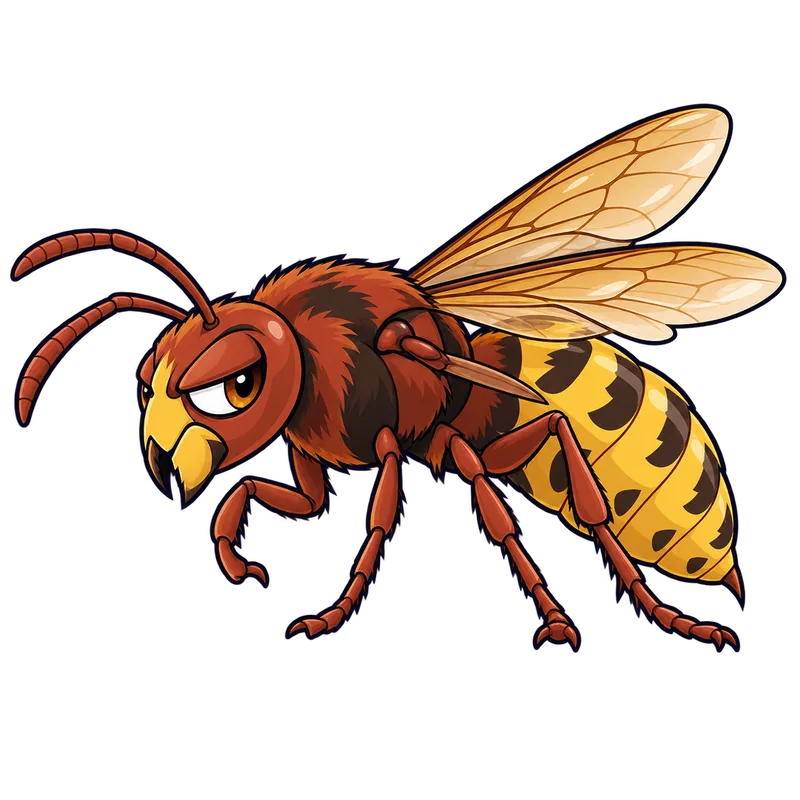
You report a suspected Asian hornet in the United Kingdom by taking a sharp picture of the insect and sending it in with your location and the exact time. You can upload your evidence using the free smartphone app, the online recording portal on the government website, or by emailing the official alert address.
What is actually going on
You are out in the garden cutting back the overgrown privet hedge, when a large, dark insect hovers near your face with the heavy hum of a miniature helicopter. It is bigger than a common wasp, but you are not entirely sure what you are looking at. If you live in the United Kingdom, suspecting an Asian hornet means you have stumbled onto a fast-moving biosecurity issue that the government takes very seriously. This species preys heavily on honey bees and native pollinators, so finding one in your garden requires quick action rather than a wait-and-see approach.
You do not need to panic, but you do need to act. The Animal and Plant Health Agency relies on public sightings to find and destroy nests before the young queens disperse in the autumn. Because these hornets can devastate local bee colonies by picking off workers one by one outside their hives, every single report helps containment teams track down the hidden nests.
Waiting to see if it comes back tomorrow is not a great strategy. If it is indeed the yellow-legged invader, a single queen can start a colony that grows into a massive arboreal nest housing thousands of workers. Reporting a suspicion is straightforward, free, and does not cost you anything except a few minutes of your time.
How to tell for sure
Before you pull out your phone to report a sighting, you want to make sure you are not looking at a harmless native lookalike. Identification comes down to a few distinct color markings that separate this invasive predator from our homegrown insects.
The Asian hornet usually measures around an inch in length, making it smaller than our native European hornet but noticeably larger than a standard yellowjacket wasp. Look closely at its body. The thorax, which is the middle section just behind the head, is a velvety dark brown or black. The face is a bright, warm orange. The abdomen is mostly dark, except for a distinct bright yellow-orange band on the fourth segment.
The easiest feature to spot with the naked eye is the legs. They are dark near the body and terminate in bright yellow ends, looking rather like someone put on dark trousers and bright yellow socks. If you see a large hornet hovering outside a beehive like a helicopter waiting to ambush returning foragers, or feeding quietly on late-season ivy blossoms, check those legs.
A very common mistake involves confusing this species with the native European hornet. The European cousin is larger, has a reddish-brown head, and sports a bright yellow abdomen marked with black teardrop shapes rather than a dark body with yellow socks. Taking a moment to check these details ensures you are not needlessly worrying over our native wildlife.
What usually comes next
Once you spot a suspect, your next move is straightforward: grab a clear picture and send it in. The people running the response will not send inspectors out just because you left a vague message about a big bug in the petunias. You need a photograph or a physical specimen before anyone takes action.
If you can manage it without getting stung or swatting wildly, take a sharp picture. Putting a common object next to a dead or trapped insect, like a two-pence coin or a ballpoint pen, helps the experts judge the scale right away. Jot down the exact time and your location using a postcode, a map pin, or a street name.
You can upload that evidence using the free Asian Hornet Watch smartphone app, the online recording portal on the government website, or by emailing the details to the official alert address. Once an expert checks the photo and confirms it, National Bee Unit inspectors take over. They use clever tracking tricks to follow foraging hornets back to their hidden nests, allowing professional teams to wipe out the colony before it spreads.
When to get help
Never try to tackle an Asian hornet nest on your own. Deciding to poke at a basketball-sized nest dangling high in an oak tree, or spraying a small one under your garden shed with a can of household bug killer, is asking for trouble. These hornets protect their homes fiercely, and DIY removals usually end with painful stings and a cloud of angry hornets scattering across the neighborhood.
If you or someone nearby gets stung multiple times, swells up badly, or shows signs of a serious allergic reaction like trouble breathing or dizziness, treat it as a medical emergency and call for an ambulance right away. As for getting rid of the nest itself, leave that dangerous job to the professionals from the National Bee Unit or licensed pest controllers who wear heavy protective suits built for the task.