
Why are mealybugs in soil?
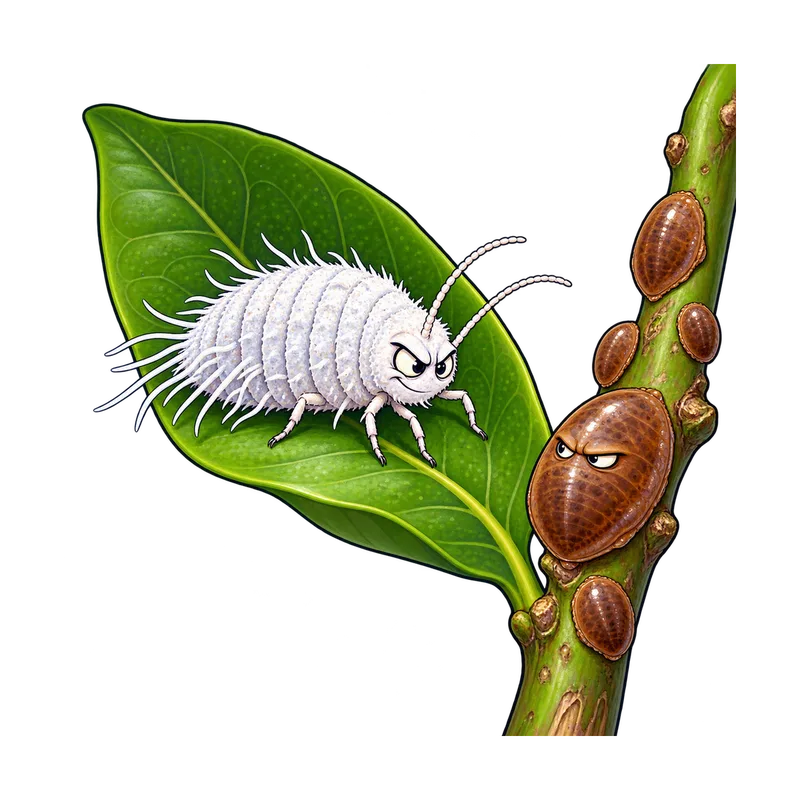
Mealybugs are in soil because certain species spend their entire lives underground drinking plant sap, while others crawl down the stems to hide from harsh sun, wind, or predators. The soil provides stable humidity and moderate temperatures, and their waxy body secretions protect them from moisture while they shelter and lay eggs.
What is actually going on
You notice your favorite potted fern dropping leaves or your backyard bermudagrass looking yellowish and ragged despite a proper watering schedule. You dig down a bit, and instead of plain dirt, you find a scatter of tiny white specks clinging to the roots or the base of the stems, almost like someone dropped a handful of powdered sugar into the topsoil. It feels counterintuitive because you picture pests living on sunny leaves, not hiding underground in the dark.
So why are mealybugs in soil anyway? The short answer is that some of them actually live down there on purpose, while others are just using the dirt as a convenient motel.
Not all mealybugs want to sit on a bright green leaf all day. Certain species are obligate subterranean feeders, meaning they spend their entire lives underground, clustering around root crowns and stolon nodes where they insert needle-like mouthparts to drink plant sap. Think of them as having hundreds of tiny insects inserting miniature drinking straws directly into the plant plumbing, draining its energy before it can push nutrients upward.
Other species are more nomadic. When foliar mealybugs need a break from the harsh sun, heavy wind, or predatory lady beetles, they crawl down the plant stems and settle into topsoil voids, leaf litter, or potting substrate crevices. The microclimate beneath the soil line offers stable humidity and moderate temperatures. Plus, their bodies are covered in hydrophobic waxy secretions that act almost like an impermeable raincoat, causing liquid water and standard contact sprays to slide right off. That wax jacket protects them from moisture while they shelter, lay eggs in cottony clusters, and wait out adverse conditions.
How to tell for sure
Before you start dumping chemicals or throwing away plants, you usually need to verify what you are looking at because the soil is full of look-alikes. Take a closer look using a magnifying loupe if you have one, since these pests are remarkably small.
If you poke a white round speck in your potting mix and it pops cleanly, releasing clear liquid, you are usually looking at a slow-release fertilizer prill from the nursery. Mealybugs do not pop like a water balloon. When you crush a real mealybug, it smears into organic fluid, and you will often see purplish or pinkish internal tissue beneath that white waxy coating.
You might also confuse them with root aphids, which have small tailpipes called cornicles and produce powdery wax, whereas root mealybugs typically have segmented oval bodies covered in distinct cottony threads. Fungus gnat larvae are another common visitor in damp soil, but they look like translucent, legless worms with dark head capsules rather than soft, wax-dusted bugs.
Keep an eye out for telltale signs like sudden wilting, a sticky sugar coating on the topsoil, or ants marching purposefully up and down the stems. Ants adore the sweet liquid these pests leave behind and will actively herd them, guarding them from soil-dwelling hunters. When you spot white, cottony clumps crammed around the plant base or clinging to the roots just under the surface, you are almost certainly dealing with mealybugs.
What usually comes next
Figure out your next move based on the scope of the problem, whether you are trying to save a lonely windowsill fern or an entire lawn, because managing this usually calls for patience and clean habits instead of a miracle spray.
For a lightly infested houseplant, you can often break the cycle manually. Take the plant out of its pot, rinse the dirt away from the roots using warm water, snip off any rotten or heavily damaged roots, and move the plant into fresh, clean potting mix in a sterilized container. Never reuse old soil or toss in unsterilized garden dirt, because microscopic eggs and tiny moving hatchlings hide easily in leftover root bits and will start the whole mess over.
When you are fighting a larger outdoor turf problem in a warm climate, or if you prefer a natural approach for indoor collections, consider bringing in beneficial predatory mites or specialized fungi that hunt soft-bodied insects underground. Chemical fixes demand absolute obedience to the instructions printed on the product label. Standard contact sprays will not work here because they cannot push through the dirt or dissolve that waxy exterior. Instead, you usually need systemic treatments that the roots drink up and carry throughout the entire plant.
When to get help
Mealybugs do not bite humans, carry diseases, or pose any direct health threat to you, but certain situations call for backup rather than a DIY weekend fix.
If you look after commercial turf, athletic fields, or a massive greenhouse and see widespread plant death, you should generally call in a licensed pest control operator or your local agricultural extension office. These professionals can pin down stubborn root feeders and apply restricted systemic treatments without running into trouble.
If you suspect you have stumbled upon an invasive or regulated pest hiding in imported nursery stock, reach out to your state plant health authority right away so they can run lab tests and give you proper instructions. Should you ever suffer an accidental pesticide splash or skin irritation while treating your plants, contact a medical doctor, an urgent care clinic, or your regional poison control center immediately.