
Are mole crickets found in Oklahoma?
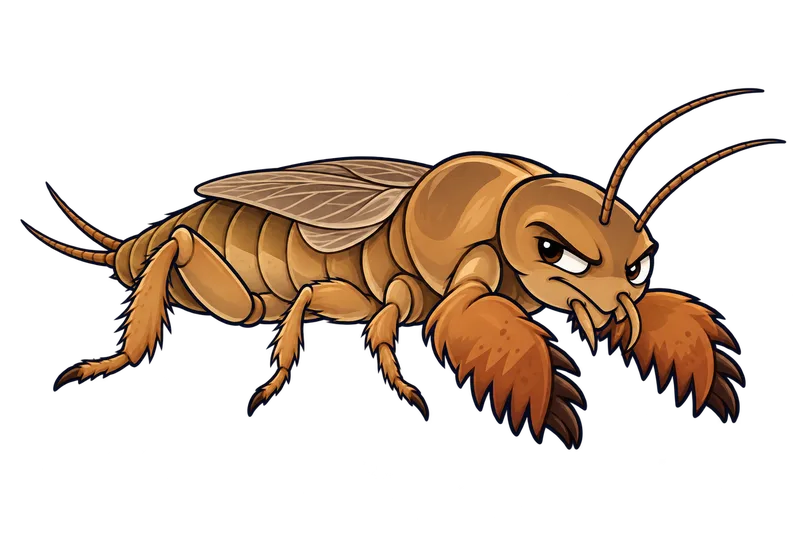
Yes, mole crickets are found in Oklahoma, but it depends on the specific species. Oklahoma is home to the native northern mole cricket, which measures 20 to 35 millimeters in length and stays mostly underground without ruining grass. Meanwhile, the aggressive invasive pest species that destroy lawns in the south have not established official breeding populations there.
What is actually going on
You are walking across the lawn with your coffee on a crisp morning, and suddenly your foot sinks an inch into the turf as if you stepped on a hidden sponge. Naturally, you kneel down to poke around, wondering if a pocket of dirt settled or if something chewed through the roots. If you happen to live in Oklahoma, your mind might jump to mole crickets, especially if you have heard neighbors complaining about these subterranean lawn wreckers down south. So, are mole crickets actually found in Oklahoma?
The short answer is yes, but you have to know which mole cricket you are talking about. Oklahoma is home to the native northern mole cricket, which lives quietly underground and mostly minds its own business without tearing up your grass. However, the aggressive, destructive pest species that plague golf courses and lawns across the Gulf Coast have not established official breeding populations inside Oklahoma state lines.
To understand why this distinction matters, look at how the maps shake out. Invasive pest mole crickets, originally brought over from South America around 1900, have marched westward across the southeastern states. The southern mole cricket's established geographic range creeps all the way to central Texas, which places Oklahoma right next door to the danger zone. Even so, state extension specialists and regional entomology sources do not list established populations of these destructive invaders inside Oklahoma.
You might wonder how an insect can stop right at a state border when the dirt looks identical on both sides. The truth is that soil type, winter temperatures, and historical introduction points dictate where these pests settle. While Oklahoma shares a border with Texas, university surveys simply do not document the destructive species churning up lawns in Oklahoma counties the way they do further south and east.
How to tell for sure
Before you go blaming mole crickets for a patchy yard, you need to check what is actually crawling around in the dirt. These insects look less like typical grasshoppers and more like tiny, armored bulldozers with shovel-like front claws designed for digging. Telling a harmless native species from a turf-destroying invader usually comes down to counting the blade-like digging claws on their front legs.
If you catch one and examine the front legs under a magnifying glass, count the dactyls, which are the hard, pointed projections on the feet. The native northern mole cricket features four prominent dactyls on each front leg and measures roughly 20 to 35 millimeters in length. In contrast, the invasive pest species possess exactly two dactyls. Those two-clawed troublemakers include the southern mole cricket with its mottled brown body and four lighter spots on its back, and the tawny mole cricket, which features a distinct dark V-mark on its upper chest plate.
If you want to pull them out of the dirt without digging up half your yard, you can run a simple soap flush test. Mix liquid dish soap into a gallon of water, and pour it over a marked 2-foot by 2-foot patch of turf where you suspect tunnels. If the soil is dry, irrigate it first because moisture brings these insects closer to the surface.
Watch that patch closely for 3 minutes. If you see 2 to 4 mole crickets emerge from the turf within that window, you usually have an active population. Keep in mind that finding a stray adult on your front porch light at night does not mean your lawn is infested. These insects are strong flyers during their spring mating season and often crash into houses or streetlights far from where they hatched.
What usually comes next
Once you confirm you are dealing with active mole crickets rather than ordinary drought stress or white grubs, your main practical decision centers entirely on timing. Homeowners often make the mistake of spraying large adult crickets in the spring when they see them crawling around driveways or porch lights. That approach usually wastes time and money because those spring adults are at the end of their life cycle, having already laid their eggs deep in the soil.
Your best move is to wait for early-to-mid summer, specifically June and July, when the tiny nymphs hatch and start feeding near the surface. Those small, quarter-inch nymphs are vulnerable to treatments in a way that mature adults and late-season nymphs hiding deep in the subsoil simply are not. If your soap flush test does not cross the threshold of multiple crickets per 4 square feet, or if you only find the harmless 4-clawed native species, you can safely put the treatments away and focus on keeping your turf healthy through regular deep watering and proper mowing heights.
When to get help
There are moments when managing outdoor pests crosses the line from a DIY weekend chore into territory that requires outside expertise. If you are dealing with a severe infestation on a large property, or if local regulations require commercial applicator licensing for certain restricted-use active ingredients, you should contact a licensed pest control professional. They have the specialized equipment and training to handle heavy treatments safely.
On the health side, mole crickets do not bite or sting humans, so you do not need to worry about venomous attacks from the crickets themselves. However, disturbed turf frequently attracts secondary pests like imported fire ants, which pack a painful sting and can trigger severe allergic reactions. If someone gets stung by fire ants and shows signs of a severe reaction, or if anyone experiences an accidental chemical exposure from handling lawn products, contact a clinician, an urgent care facility, or your local poison control center immediately.
Finally, if your mole-cricket-damaged turf starts getting torn apart by raccoons, armadillos, skunks, or crows digging for a free meal, remember that managing or trapping those visiting animals is strictly regulated. State departments of wildlife conservation govern how you handle local wildlife, so check with your local agency before taking matters into your own hands.