
What should a lawn inspection confirm before grub treatment?
Before any grub treatment, a lawn inspection should confirm three things: that white grubs are really what is killing the grass, that there are enough of them to justify treating, and that the soil is moist enough for the product to reach them. Cutting out a square foot of sod and counting the grubs answers the first two.
What is actually going on
Picture this. You walk out onto the back patio with your morning coffee, and something looks off. There is a pale, dull yellow patch right in the middle of the turf where the grass used to be thick and green. You walk over, step on it, and the ground feels strangely squishy, almost like you are walking on a foam mattress. Naturally, you assume the summer heat got to it or the sprinkler head is plugged. You turn the hose on that section for a few days, but the grass just keeps sliding away from the soil like a loose rug, and before you know it, you are peeling up whole sheets of turf with your bare hands because there are no roots left holding it down.
That is the classic calling card of a grub infestation, and it is usually the moment a homeowner marches down to the garden center to buy the heaviest bag of pesticide they can lift. But reaching for a treatment right away is a gamble. Before you apply any grub treatment, a proper lawn inspection has to confirm that active white grubs are actually causing the damage, check that the population has crossed the threshold where treatment makes financial sense, and verify that the soil is ready to take the product. If you skip these checks, you are just throwing money onto the lawn and hoping for the best.
How to tell for sure
You cannot diagnose a grub problem by looking at the top of the grass blades. You have to get your hands dirty with a simple spade test. Find the edge where the dying yellow grass meets the healthy green turf, and slice out a neat square measuring one foot by one foot, going about two to three inches deep into the soil. Grab the grass roots and roll that square of sod back like you are opening a trapdoor.
Now, look at the soil and the exposed roots. You are usually hunting for white grubs, which are the C-shaped, milky-white larvae of scarab beetles with distinct brown head capsules and six prominent legs. They usually measure anywhere from half an inch to an inch and a half long. If you find them, you need to count how many are sitting in that single square foot of dirt.
This is where context matters. If your lawn is stressed, unirrigated, and mostly neglected, finding an average of five to ten grubs per square foot means treatment is justified because the grass cannot outgrow the damage. But if you have a heavily irrigated, thick, high-maintenance lawn, the turf can often tolerate more than twenty grubs per square foot without showing much distress above ground.
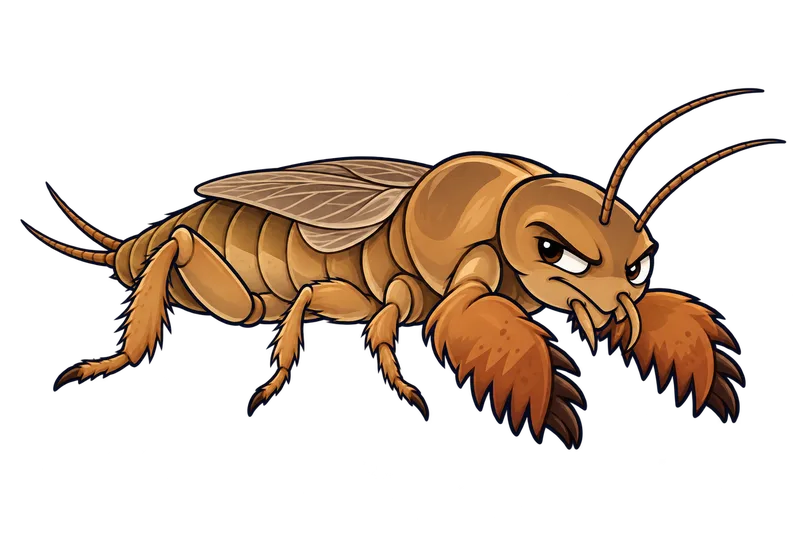
You also have to watch out for impostors. If you dig up spongy soil and find cream-colored, legless little grubs while the grass stems snap off easily at the soil line, you are looking at billbug larvae instead. If you find tunneling ridges but zero C-shaped grubs, you might be dealing with mole crickets. Treating a billbug or mole cricket problem with a standard grub killer is a quick way to watch your pest problem laugh off your efforts.
What usually comes next
Once you have counted your grubs and confirmed they clear the bar for action, you need to check the calendar and the moisture in the dirt before doing anything else. Timing makes all the difference. Preventative treatments shine during the midsummer egg-hatch window while the grubs are still tiny and just emerging. If you run into massive, fully grown older larvae during the middle of spring or late fall, those preventative products will essentially bounce right off them, meaning you would need a fast-acting curative contact insecticide instead.
Soil moisture is your next hurdle. Grubs dislike dry dirt just as much as grass does, so if the ground is baked dry, the pests burrow deeper down out of reach. You generally want to water the lawn a day or two before treating so the grubs migrate back up into that top two-inch feeding zone.
After you apply a chemical or biological treatment, you are not quite finished. You usually have to water the lawn with about half an inch of irrigation to wash the active ingredients off the blades and push them down through the thatch layer right into the root zone where the grubs are waiting. If you skip this watering step, the sun and air will break down the product before it ever reaches the soil.
When to get help
There are moments when a DIY lawn diagnostic turns into something you should hand over to a professional. If your inspection reveals high-potency restricted-use pesticide needs, or if you are looking at massive commercial properties, sports fields, or golf courses where specialized application equipment and strict re-entry intervals apply, call in a licensed applicator.
You also need to know when the problem goes beyond insects. If you walk out one morning and find your lawn torn to shreds, with chunks of sod rolled back like blankets and holes dug all over the place, you are likely looking at the work of vertebrate predators like skunks, raccoons, crows, or armadillos. These animals are hunting the grubs, but the damage they cause can outpace the insects themselves.
Never attempt to trap, poison, or physically handle wild animals tearing up your turf, as many of these species are protected under state or federal wildlife statutes. If an animal creates a direct hazard or bites a domestic pet or resident, keep your distance, avoid direct contact entirely, and immediately contact local animal control, public health authorities, or an urgent care clinician if a human bite or potential rabies exposure has occurred.