
When does garden damage justify intervention?
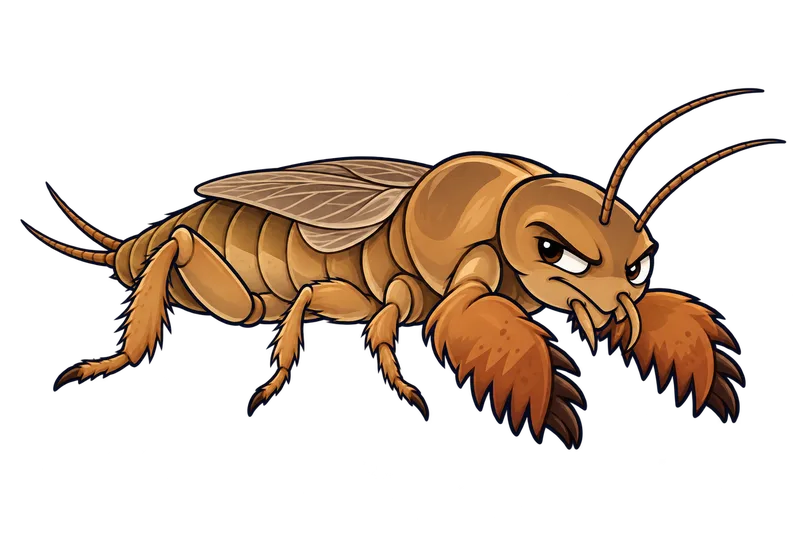
Garden damage justifies intervention only when diagnostic sampling confirms an active pest population that crosses an established damage threshold, where actual plant losses outweigh fighting costs. Alternatively, you must act immediately if you are dealing with a legally regulated, notifiable biosecurity threat.
What is actually going on
Imagine walking out to your backyard on a warm Tuesday morning, coffee cup in hand, only to spot a ragged, yellowish patch of grass near the flower bed or a chewed-up tomato leaf that was pristine just yesterday. Your immediate reaction is probably a familiar twitch in your thumb, the one that makes you want to drive down to the garden center, grab the strongest bottle of bug spray on the shelf, and nuke the entire perimeter. Before you do that, pause for a moment and look closer, because the baseline state of any healthy garden, lawn, or yard is actually non-intervention.
Plants are surprisingly tough creatures. They routinely tolerate baseline levels of tissue loss, mild defoliation, and superficial blemishes without taking a serious hit to their overall vigor, survival, or yield. Think of it like a human catching a mild cold. You do not check into the hospital for a single sniffle, and your garden does not need a chemical strike every time a caterpillar takes a bite out of a hosta. Furthermore, your yard is not an empty stage. It usually hosts a free, around-the-clock security detail of natural predators like ladybugs, lacewings, parasitoid wasps, spiders, and insectivorous birds. These beneficial creatures work quietly in the background, keeping plant-eating insect populations well below damaging levels as long as nobody disturbs them with a heavy hand.
So when does garden damage actually justify intervention? Stepping in with control measures makes sense only when diagnostic sampling confirms an active pest population that crosses an established damage threshold, where the actual losses to your plants outweigh the financial and ecological costs of fighting back. Alternatively, you might need to act immediately if you are dealing with a legally regulated, notifiable biosecurity threat. If you spray at the very first sight of a single chewed leaf, you risk wiping out your local predator network, accelerating pesticide resistance, and accidentally triggering a secondary pest outbreak that causes far more destruction than the original visitors.
How to tell for sure
Identification comes before control, and you should usually never apply a pesticide based on plant damage alone. A brown patch on your lawn or a withered stem could just as easily be the result of a fungal pathogen, fertilizer burn, or a dry spell as it is an insect invasion. To know for sure what you are dealing with, you need to match physical signs like chewed margins, stippling, honeydew, or dieback directly to an identified organism using standardized tests.
For turfgrass, you can perform a low-tech diagnostic trick called a soap flush test. By mixing a tablespoon or two of liquid dishwashing soap into a gallon or two of water and drenching a small test area, you can force hidden sub-surface pests like mole crickets, armyworms, or sod webworms to the surface in minutes without digging up your yard. If you are tracking down white grubs, you can use a spade to cut a one-foot square sod flap, peel it back like a loose hallway carpet, and count the grubs in the root zone. A healthy lawn can usually tolerate a few bugs, but when counts exceed five to ten grubs per square foot in non-irrigated turf, or twenty in well-maintained grass, you have crossed the action threshold.
Timing is just as important as the count itself. If you spot large adult mole crickets flying around in the spring or late summer, spraying them is usually a waste of time and money because the damage has already been done or the insects are too deep in the soil to reach. Successful intervention usually targets vulnerable, shallow-dwelling nymphs during early-to-mid summer. Always match the treatment to the specific life stage of the pest, and remember that fragile young seedlings have a near-zero tolerance for stem-girdling pests, while a mature, established shade tree can comfortably lose a chunk of its canopy and barely notice.
What usually comes next
Once you have confirmed that a pest population has crossed your damage threshold, you face a straightforward choice about how to manage it. Your first move should always lean toward cultural and mechanical management. Keeping your grass at the right mowing height promotes deep root systems that tolerate feeding far better than stressed, closely cropped turf. Removing excessive thatch in the spring eliminates sheltered hiding spots for pests, and practicing deep, infrequent watering encourages roots to dive down instead of staying near the surface where pests feed.
When cultural fixes are not enough, deploy target-specific biorational controls before reaching for broad-spectrum chemicals. You can use microbial insecticides like certain beneficial bacteria for leaf-feeding caterpillars, because these treatments target specific pests while remaining completely harmless to humans, pollinators, and beneficial predators. Insecticidal soaps and horticultural oils work well for soft-bodied pests like aphids and scale crawlers by disrupting their cell membranes, though they require direct contact while wet and leave no residual activity once dry.
Above all, remember that the product label on any pest control substance is a federal legal document. Never alter application rates, spray crops not listed on the label, or ignore mandatory waiting periods before harvesting edible food from your garden. Most importantly, follow the bloom blackout rule by refusing to spray any chemical or organic product on open flowers during peak bloom, which protects honeybees and wild pollinators when they are most active in your yard.
When to get help
There are moments when a garden problem moves past simple DIY territory and requires outside expertise, official reporting, or urgent safety measures. If you spot signs of major structural decay in a large shade tree, such as extensive crown dieback, large fungal fruiting bodies, or hollowed trunks near your home, you need to involve a certified arborist. These trees pose serious falling hazards, and a professional needs to perform proper testing before you attempt any drastic pruning or removal.
Certain invasive pests carry legal and ecological consequences that require immediate government notification. Discovering regulated exotic threats like the emerald ash borer, Asian longhorned beetle, or oak wilt means you should contact your local state or provincial agricultural extension office or national plant health authority right away. Moving infested firewood or failing to report these quarantine pests can violate biosecurity laws designed to protect regional forests and agriculture.
Finally, keep safety front and center regarding your own health and local wildlife. If an accident occurs involving pesticide skin absorption, eye contact, or ingestion, contact a medical professional, urgent care facility, or poison control center immediately without trying to diagnose yourself. For larger nuisance wildlife such as deer, rabbits, voles, or raccoons, remember that local wildlife agencies govern how these animals are managed, and lethal trapping or removal often requires specific permits that homeowners cannot bypass.