
What do house crickets eat?
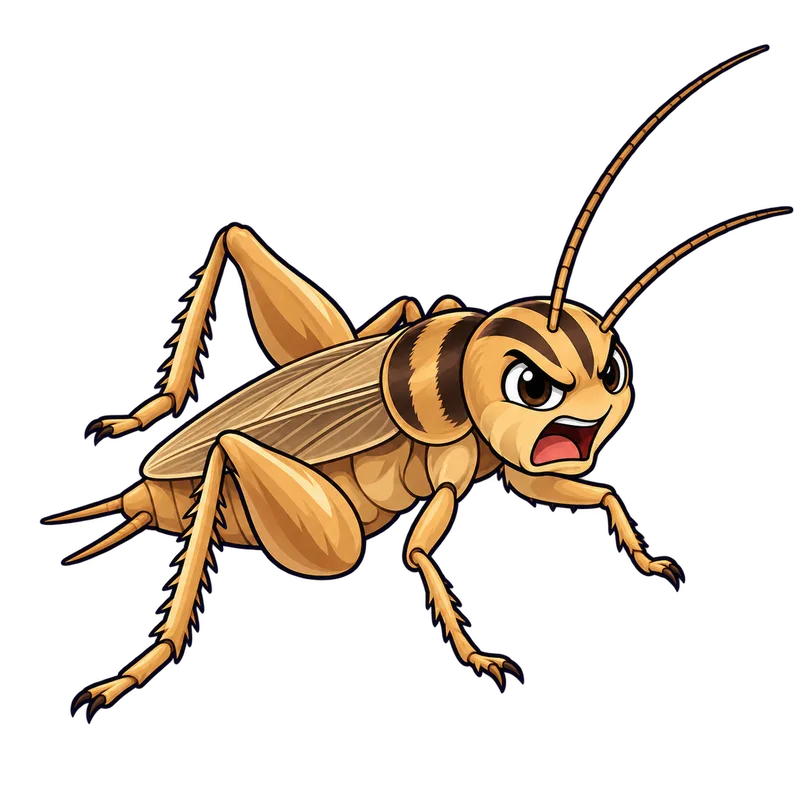
House crickets are opportunistic omnivores that eat almost any organic material they can find indoors, including human table scraps, commercial pet food, cereal grains, and fermenting liquids. They will also chew through paper, cardboard, and laundry, though this fabric damage is usually incidental as they forage for food stains, starches, or moisture.
What is actually going on
You pad into the kitchen barefoot at two in the morning, flip on the overhead light, and catch a tan, long-horned bug scurrying away from a spilled speck of kibble beside the dog bowl. That midnight scavenger is likely a house cricket, and its menu is far broader than most people realize. House crickets are opportunistic omnivores that will eat practically anything organic they can find in your living space.
Outdoors, they graze on plant tissues, seeds, fruits, fungi, and occasionally each other. Once they cross your threshold, usually driven inside by autumn chill or dry summer heat, they treat your home as an all-you-can-eat buffet. They target human table scraps, commercial pet food, cereal grains, and even fermenting liquids like a forgotten splash of beer or vinegar left in the sink.
You might also notice ragged holes chewed into paper, cardboard, or laundry left on the floor. People often assume crickets are eating these items for primary nutrition, much like moths go after wool sweaters. In reality, that fabric damage is usually incidental. They are chewing through a cotton shirt or a cardboard box to get at food stains, starches, or moisture trapped in the fibers. Their robust mouthparts make short work of soft materials when they are foraging for a meal or a drink of water.
How to tell for sure
Before you try to block their food supply, make sure you are actually dealing with house crickets rather than their basement-dwelling cousins. True house crickets usually measure up to one inch long, display a light yellowish-brown or tan color, and feature three distinct dark cross-bands on the head. Adult males have fully developed wings and make that familiar chirping sound by rubbing their wing casings together. They are also the ones that usually manage to breed and set up permanent housekeeping in warm indoor voids like boiler rooms and kitchens.
If you are seeing a massive, coal-black insect that tops an inch and a quarter, you are usually looking at a field cricket. Field crickets occasionally wander indoors through open doors, but they rarely reproduce inside and tend to die off if they cannot find a way back out to the garden.
Then there is the camel cricket, sometimes called a cave cricket. These creatures are humpbacked, wingless, mottled brown, and equipped with oversized hind legs that let them leap startling distances when startled. They do not chirp at all because they lack sound-producing organs. They usually stick to damp, dark basements and crawl spaces, where they feed on wood, cardboard, fungi, and other insects. Inspecting the physical traits, from color and wings to the presence of a chirp, usually clears up which pest you have on your hands.
What usually comes next
Since house crickets eat almost any organic crumb or residue, your best first move is shutting down their access to food and water. Storing human groceries and dry pet kibble in rigid, airtight containers made of glass or heavy plastic keeps them from chewing right through paper bags and cardboard boxes in the pantry. Keeping kitchen floors clean, wiping up greasy film beneath the stove, and securing trash cans tightly every night ensures wandering crickets find nothing worth sticking around for.
At the same time, you have to look at the outside of the house to stop new arrivals. Sealing foundation cracks, fixing leaky plumbing that supplies indoor humidity, and clearing away heavy mulch or leaf piles right against the exterior walls removes their preferred outdoor shelter. If you rely on indoor sprays alone without taking away their meals and sealing entry points, you will only chase them from room to room. Chemical treatments must always follow product labels exactly, and any restricted applications belong exclusively in the hands of a licensed professional.
When to get help
Most cricket issues resolve with basic housekeeping and sealing gaps, but certain situations call for outside help. If you notice a massive, persistent indoor population that continues to multiply inside wall voids or basements despite your best efforts with cleaning and dehumidification, it is time to bring in a professional exterminator. Commercial food facilities or grain storage sites also require immediate professional intervention due to strict zero-tolerance contamination standards.
On the health side, crushed cricket bodies, shed skins, and droppings accumulate over time and produce airborne particles that can trigger allergic rhinitis and asthma attacks in sensitive people. Furthermore, if you or someone in your household experiences a severe allergic reaction, such as swelling or difficulty breathing, after eating commercial products containing cricket flour or protein powder, seek medical attention right away. These insect proteins share chemical traits with shellfish, dust mites, and cockroaches, making a clinical evaluation essential for anyone with known sensitivities to those common allergens.