
What are tiny jumping bugs in a house?
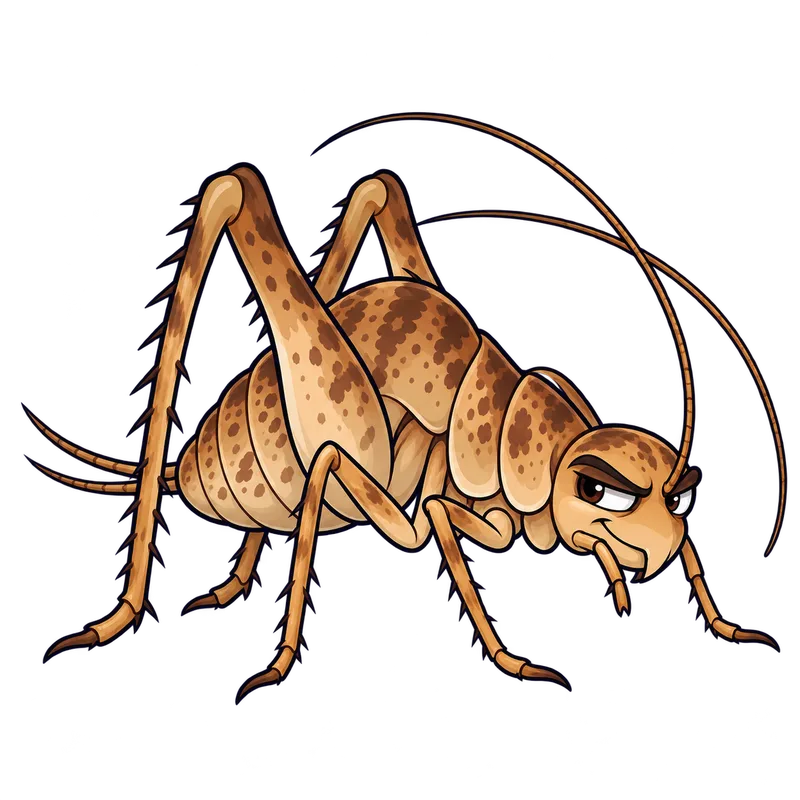
Tiny jumping bugs in a house are usually springtails, fleas, or camel crickets. Springtails are tiny and measure less than one-sixteenth of an inch, while fleas are reddish-brown and target ankles or pets. Camel crickets are humped creatures that love dark, humid basements and leap impressive distances.
What is actually going on
You walk into the bathroom on a damp Tuesday morning, lean over the sink to wash your face, and notice a speck no bigger than a pinhead suddenly launch itself across the porcelain basin. Naturally, your mind races. Did something just bite you, are your clothes under attack, or is your home turning into an outdoor meadow? Before you start tearing the house apart, take a breath. Tiny jumping bugs inside a house usually point to one of three usual suspects, and none of them mean your home is falling apart.
Most of the time, those miniature acrobats are springtails. They are tiny, wingless creatures measuring less than one-sixteenth of an inch, and they carry a specialized forked tail tucked under their bellies like a miniature diving board. When startled, that latch releases and catapults them into the air. They are harmless incidental invaders that wander indoors from damp mulch beds or overwatered potted plants because they are hunting for moisture.
If the jumpers are a bit larger, reddish-brown, and seem particularly interested in your ankles or your family dog, you are likely looking at fleas. Unlike springtails, fleas are parasitic and need a warm-blooded host to complete their lifecycle. Another frequent culprit is the camel cricket, a humped, wingless creature that looks like a miniature cave monster. They love dark, humid basements and crawl spaces, and they will leap impressive distances when you switch on the overhead light.
You might also spot rapid-running insects like phorid flies or fungus gnats that scurry across surfaces so fast they create the optical illusion of jumping. And since panic often breeds rumors, let us clear up a major misconception right away. Bed bugs do not jump. They crawl at a moderate pace and stay flat from top to bottom, so claims of jumping bed bugs usually mean someone is misidentifying fleas or springtails.
How to tell for sure
Figuring out what you are dealing with usually comes down to a simple close-up inspection, because guessing rarely solves a pest problem. Grab a piece of transparent sticky tape, gently capture a specimen, and hold it under a magnifying lens to look at its physical shape and movement style.
If you see a tiny creature that uses a tail-like spring mechanism to vault into the air and you do not own pets, it is usually a springtail. They do not bite humans, and they feed exclusively on fungi and decaying organic matter. If you find yourself scratching itchy red bumps on your lower legs after sitting on the living room rug, look for a reddish-brown insect compressed narrowly from side to side. That lateral flattening helps them glide effortlessly through dense animal fur, which points directly to fleas.
When the intruder is a humped brown insect with long antennae hiding in a damp corner of the basement, you are usually dealing with a camel cricket. They prefer high relative humidity and feed on organic debris. If the tiny bug you spotted is actually running erratically across the soil of your houseplants rather than leaping, it is usually a fungus gnat or a scuttle fly taking advantage of wet potting soil.
Remember that environment usually dictates what you find. A sudden invasion of springtails typically happens after heavy seasonal rains saturate outdoor soil, while a flea issue usually tracks with the presence of cats, dogs, or visiting wildlife under a porch.
What usually comes next
Once you have figured out what is actually in front of you, the smartest move is to turn off their water instead of clearing store shelves for heavy chemical cans. Springtails and camel crickets dry up and vanish pretty quickly once indoor air loses its dampness, which means their visit is really a blinking light telling you that a pipe is weeping or the weather stripping needs replacing.
Start by looking closely at the weather right outside your baseboards. If you spot springtails marching across the kitchen floor near a damp dishwasher or gathering in clumps under the bathroom sink, fix that slow drip and plug in a dehumidifier. If they are staging their invasion from the flower beds, pull back the heavy wood chips until you have a clear, dry strip of bare dirt against the foundation wall, creating a natural moat that stops these moisture-lovers right at the property line.
Try to resist the urge to set off total-release bug bombs or aerosol foggers in the living room. Those devices often backfire by pushing hidden insects further into the walls instead of killing them. If you prefer using physical barriers like powdered diatomaceous earth or store-bought perimeter sprays, read every word on the product label and follow it to the letter, since that text carries the force of law. When your best efforts at drying out the room and cleaning up organic debris still leave you knee-deep in jumping bugs, bring in a licensed pest professional to track down hidden structural leaks.
When to get help
There are moments when a minor household nuisance turns into something you should not handle alone. If people in the house are waking up with itchy, mysterious bumps on their ankles and you suspect fleas, skip the guesswork and leave skin diagnosis to the professionals. Book an appointment with a doctor, visit an urgent care clinic, or call your local poison control center for real advice.
Reach out to a qualified pest technician if springtails or camel crickets keep marching inside month after month, no matter how many dehumidifiers you buy or cracks you seal. Constant visitors usually point to hidden water problems inside the walls, rotting wood around the foundation, or a crawl space that needs tools and experience you probably do not keep in the garage.
Major flea takeovers also call for outside muscle, since wiping them out usually means treating the family pets alongside the carpets and furniture using specialized growth regulators. Furthermore, if the situation demands restricted-use chemicals or involves commercial properties that need proper regulatory compliance, leave the work to a licensed applicator.