
How do you compare a plant symptom with actual insect evidence?
Comparing a plant symptom with actual insect evidence requires looking past visual distress like yellow leaves to find physical proof of the organism. You can confirm pests by inspecting leaves with a ten power to twenty power hand lens or by using a soap flush on the soil.
What is actually going on
Picture walking out to the garden on a warm Tuesday morning with your coffee, only to notice that the prize tomato plant or the strip of turf by the sidewalk looks thoroughly miserable. The leaves are mottled, yellowing, or dropping entirely. It is tempting to jump to a quick conclusion, grab a bottle of spray from the garage shelf, and blast the whole area. But comparing a plant symptom with actual insect evidence is a bit like a doctor trying to diagnose an illness because a patient has a fever. A fever proves the body is under stress, but it does not tell you whether the cause is a virus, a bacterial infection, or simple heatstroke. Similarly, yellow leaves show plant distress, but they rarely tell you what caused it.
A plant symptom is simply the visual or physiological expression of distress. When a plant gets thirsty, lacks nutrients, gets scorched by herbicide drift, or deals with a fungal infection, it responds with chlorosis, wilting, stippling, or leaf drop. None of those reactions require an insect to happen. Fungal leaf spots or even a dry spell can mimic insect damage with uncanny accuracy. If you treat a fungal issue with an insecticide, you are essentially giving medicine for a broken leg when the patient actually has a headache.
Actual insect evidence means finding the physical proof of the organism itself or the residue it leaves behind. This includes live eggs, nymphs, cast skins, frass, honeydew, silk webbing, or specific mechanical alterations like D-shaped exit holes in bark. Symptoms tell you the plant is sick. Physical evidence tells you who broke into the house. Distinguishing between the two requires a systematic approach of checking the plant thoroughly before deciding on a course of action.
How to tell for sure
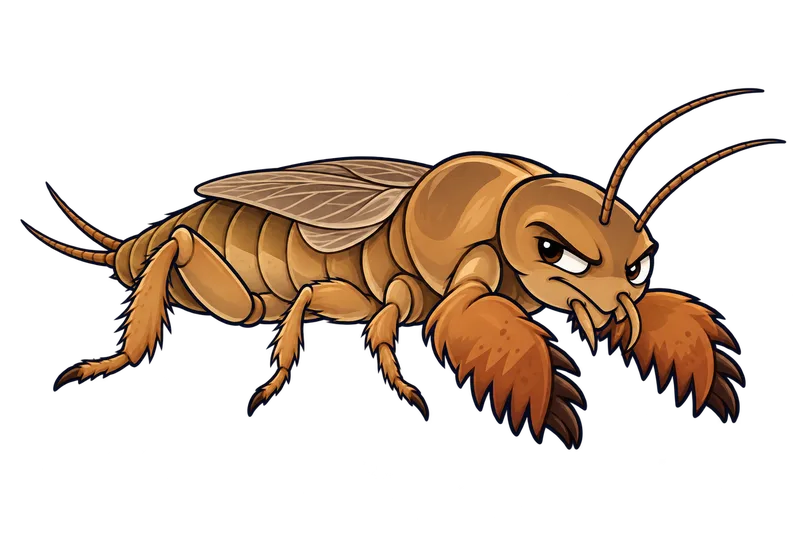
Start by looking at the whole plant using a methodic approach from the canopy down to the root crown. In natural light, check the top surfaces of the leaves, turn them over to inspect the undersides, and look closely at the stem axils and the soil line. To the naked eye, a speckled or bronzed leaf might just look dirty or dusty. When you bring out a ten-power to twenty-power hand lens, that mystery dust usually reveals itself as a colony of spider mites, tiny thrips, or aphid cast skins. Magnification changes everything. If you are dealing with soil-dwelling pests like mole crickets or cutworms in the lawn, a visual inspection of the grass blades will usually only show you dead or thinning patches. To confirm what is happening beneath the surface, you generally use a physical flushing technique. Mixing about one and a half tablespoons of liquid dish soap into a gallon of water and pouring it evenly over a marked test area will usually force sub-surface pests to migrate up through the thatch within a few minutes.
Once you have pests in hand, identification matters. For instance, if you dig up lawn pests and find mole crickets, look closely at their front legs. Invasive pest mole crickets have two prominent dactyls, which are toe-like projections on their forelegs, while the native non-pest Northern mole cricket typically has four. This kind of anatomical check stops you from accidentally eradicating a beneficial or harmless species. Always work through a diagnosis of exclusion, ruling out abiotic stresses like poor watering or chemical burn before you blame an insect.
What usually comes next
Once you have matched the symptoms with actual physical evidence, you usually have to make a practical decision about whether intervention is even necessary. Finding a single pest on a healthy plant does not mean you need to clear the shelves of every garden chemical in town. Many outdoor plants easily tolerate low levels of feeding damage without losing vigor or yield. When pest populations cross your local economic or aesthetic threshold, your next step is to choose a control method that matches the specific organism you identified. If your soap flush reveals white grubs feeding on turf roots, or if your hand lens confirms a heavy mite infestation, look up the specific label instructions for your crop and region. Pay close attention to pre-harvest intervals if you are working with edible fruits or vegetables, which tell you the mandatory waiting period between application and a safe harvest. If you are unsure about the scale of the infestation or if you are dealing with large shade trees showing structural dieback, your best move is usually to consult a local agricultural extension office or a certified arborist rather than guessing.
When to get help
There are moments when garden diagnostics cross the line from a weekend project into territory that requires outside expertise. If you spot signs of high-risk invasive pests like the emerald ash borer, the Asian longhorned beetle, or regulated plant pathogens in your trees or crops, local or national plant health authorities need to be notified immediately.
At the same time, keep safety in mind regarding your own household. A skin lesion, an unexplained mark, or a photograph of an insect found near a person must never be used to diagnose a medical condition or a pest bite. If anyone in your home is experiencing a severe skin reaction, respiratory distress, or potential pesticide exposure, skip the garden guides entirely and contact a primary care clinician, urgent care facility, or poison control center right away.