
How do you monitor a garden pest across its life stages?
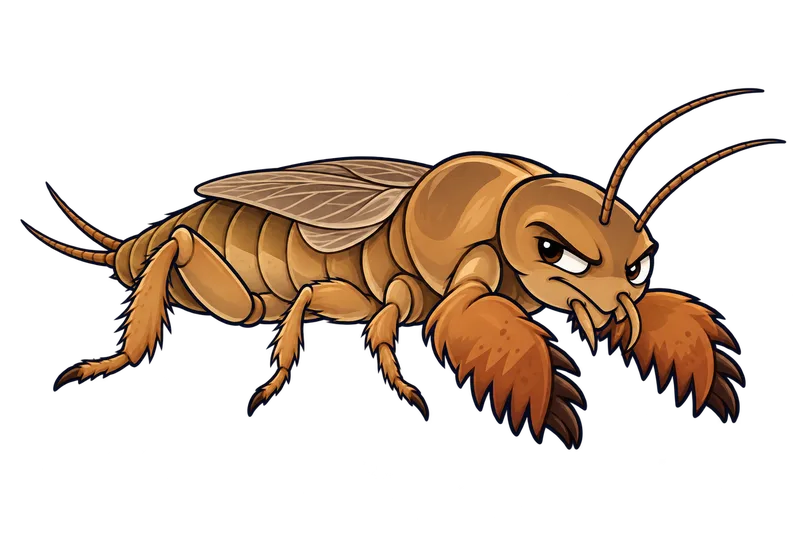
Monitoring a garden pest across its life stages requires matching specific scouting tools and methods to each phase of the organism's development. Eggs demand visual scouting with a hand lens and temperature tracking, larvae and nymphs require soil flushes or canopy shakes, and adults are caught using sticky traps or pheromone lures.
What is actually going on
Picture stepping out onto the back porch with your morning coffee, looking down at your prized raised beds, and noticing a few pepper leaves looking like someone went at them with a hole punch. Your first instinct might be to march into the garage, grab whatever rattling bottle of insecticide is sitting on the shelf, and give the whole garden a heavy soaking. That is usually how beneficial insects get wiped out while the actual culprits just change shirts and keep eating. Monitoring a garden pest across its life stages is more like playing detective than waging war. You are trying to figure out who is committing the crime, what phase of life they are currently stuck in, and whether there are actually enough of them to justify doing anything at all.
Most garden pests go through a serious makeover as they grow. Some bugs, like caterpillars and beetles, undergo a complete transformation where the egg hatches into a crawling larva, turns into an inactive pupa, and finally emerges as a winged adult. Other pests, like mole crickets and true bugs, skip the pupa stage entirely, hatching from eggs as tiny, wingless nymphs that look like miniature versions of their parents. Because a pest's behavior, feeding habits, and physical armor change entirely between these stages, a spray that wipes out a soft-bodied juvenile might bounce right off an armored adult or completely miss an egg hidden on the underside of a leaf.
To track them properly, you have to meet pests where they live during each chapter of their lives. Eggs demand careful visual scouting using a hand lens, often paired with temperature tracking to predict when they will hatch. Larvae and nymphs require soil flures or canopy shakes to count populations before they strip your plants bare. Adults usually get caught in sticky traps or pheromone lures that tell you when a new generation is arriving. Monitoring is not a one-time chore you check off a list in April. It is a steady rhythm of looking closer at your plants before reaching for a bottle.
How to tell for sure
You can usually identify what pest you are dealing with by matching the damage to the right tool and magnification level. Walking out with just your naked eyes will only show you the big picture, such as defoliation, raised mole cricket tunnels in turf, or chewed leaves. To catch the real evidence, keep a low-power hand lens in your pocket. A ten-times or twenty-times magnification lens will let you spot aphids, thrips, flea beetles, and tiny scale insect crawlers scurrying along stem nodes. For truly microscopic problems, like spider mites hiding in your berry patches, a thirty-times to sixty-times jeweler loupe is usually necessary to pick out individual eggs and webbing.
When you suspect soil-dwelling pests like mole crickets or lawn caterpillars, skip the guesswork and run a simple soap flush. Mix roughly an ounce and a half of liquid dish soap into a gallon or two of water, then pour it evenly over a couple of square feet of damp soil or turf. The soap acts as a mild irritant to their breathing pores, forcing subterranean insects to scramble to the surface within three to ten minutes. If you count two to four mole crickets surfacing in that small window, or three to eight cutworms per square yard, you have crossed the line from a minor nuisance to an active infestation.
Timing is everything when reading these clues. If you find adult mole crickets marching across your lawn in early spring, do not panic and spray the entire yard. Those adults have already finished laying their eggs, and mature insects are tough enough to shrug off most treatments. The real monitoring window opens in early-to-mid summer when those eggs hatch into quarter-inch nymphs. That is the brief period when they are feeding near the surface and actually vulnerable to management.
What usually comes next
After you have sorted out the pest and pinned down its life stage with your hand lens or soap flush, you still have to figure out if the numbers justify doing anything at all. This is where action thresholds matter. Spotting a single lonely aphid on a pepper plant means you should just walk away and let the ladybugs handle it. Discovering five to ten white grubs per square foot in a dry backyard lawn usually means the grass can outgrow the damage with a bit of extra water, whereas a pristine turfgrass area might need attention much sooner.
When you actually need to treat a problem, always go after the youngest and smallest life stage. Trying to wipe out a heavily armored adult pest is mostly a waste of time and cash. If you are dealing with leaf-eating caterpillars, put your control method onto dry foliage and hold off on watering so the product stays where it belongs. For root-feeding pests like grubs or mole crickets, the rules change entirely. You need to water the ground deeply before treating to draw those pests up near the surface, and then water again right after so the material reaches the roots where they are eating.
Never spray anything on plants that are in full bloom. Even mild organic sprays can wipe out visiting bees the second they touch wet petals. Always read the product label for the pre-harvest interval, which tells you how many days must pass between treating your vegetables and picking them for dinner. If you rely on chemical controls, switch between different product families for each new generation of pests to keep them from building up a resistance.
When to get help
Sometimes your backyard scouting uncovers something too big to handle alone, and you need to call in outside help. Finding large round holes about ten millimeters wide on mature shade trees, or distinct D-shaped cuts in the bark of ash and oak trees accompanied by fine sawdust, means you should stop right there. Those signs point to aggressive wood-boring insects that can kill large trees quickly, which calls for a licensed commercial arborist or a certified pesticide applicator with heavy-duty gear.
You ought to reach out to your local university extension office or state plant health authority if you find an odd bug showing strange symptoms, like the severe leaf curling, purple discoloration, and sickened plant veins that come with insect-spread crop diseases. Quarantined pests and unusual defoliators need correct professional identification before they take over the neighborhood.
Keep your guard up when handling certain garden visitors on your own. Blister beetles eating your tomatoes can cause painful skin blisters if you touch them with bare hands, so always slip on heavy gloves before picking them off. Stinging caterpillars with fuzzy or spiky coats can also cause nasty skin rashes and allergic dermatitis. If anyone in your house suffers from pesticide poisoning, accidental swallowing, or a bad allergic reaction from touching an insect, skip the online forums and call your local poison control center or get medical help right away.