
Why should an invasive pest sighting be checked against an official map?
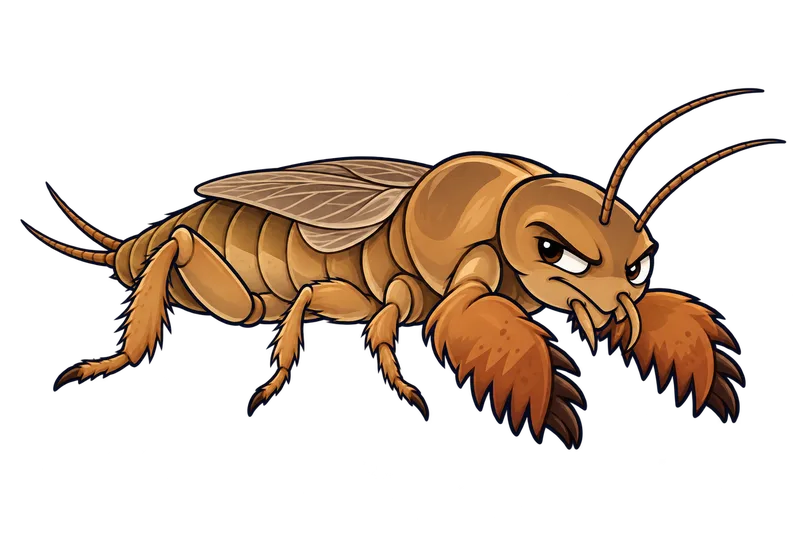
An invasive pest sighting should be checked against an official map to figure out whether the organism sits inside a known quarantine zone where local management rules apply, or outside its known boundaries as a brand-new incursion requiring an immediate biosecurity report. This check determines if you simply follow standard property care or must contact authorities.
What is actually going on
Picture yourself standing by your garden fence on a crisp Saturday morning, holding a leaf stripped bare in a bizarre, jagged pattern, or staring at an unfamiliar beetle crawling up your favorite oak tree. You snap a quick photo on your phone, and a split-second internet search throws up a terrifying name that sounds like an agricultural disaster waiting to happen. Before you panic and buy a case of heavy-duty garden spray, you need to check an official map, much like checking a live weather radar before heading out into an uncertain afternoon.
An invasive pest sighting must be checked against an official distribution or quarantine map to figure out whether the organism is already sitting comfortably inside a known, regulated zone where local management rules apply, or if it represents a brand-new incursion outside its known boundaries that requires an immediate report to biosecurity authorities. Just as a radar map shows whether a severe storm is already over your town where you take local cover or entering an unprepared neighboring county where warnings are issued, a biosecurity map shows whether an invasive pest is already established locally or threatening a completely new area.
National plant protection agencies maintain webmaps that outline the exact geographical lines of regulated pests. If your property falls within an established quarantine zone, the local authorities already know the pest is there. The legal focus in these zones shifts from wiping out the entire population to slowing its spread and stopping people from moving untreated firewood or uncertified nursery stock across borders. You simply follow standard local property management.
When you find that same organism outside its mapped boundaries, however, the rules change completely. That sighting represents a potential new invasion front. Discovering a regulated pest in a pest-free area triggers a statutory duty to report the finding immediately, which allows officials to launch a survey to trace the infestation's true geographic limits and attempt early eradication before the population explodes. Moving host plants or untreated firewood across a quarantine map boundary without inspection is like walking through international customs without declaring restricted goods.
How to tell for sure
Checking maps and tracking bugs sounds straightforward, but your smartphone camera cannot always tell you what you are looking at. Visual matching against internet photos frequently leads to misidentification, and home diagnosis usually hits a brick wall when you try to separate harmless lookalikes from devastating invaders.
Identification usually requires looking closer than a casual glance allows. For instance, if you unearth a mole cricket tearing up your lawn, you need to look at its front legs. Invasive South American mole crickets possess exactly two prominent claws on their digging forelegs, functioning much like a two-bladed digging spade, whereas our native northern species carry four claws resembling a four-tined hand rake and rarely cause serious turf damage. Similarly, finding D-shaped exit holes in ash tree bark points toward the emerald ash borer, but confirming many micro-pests usually demands a hand lens with 10x magnification, or sending physical specimens to an accredited extension laboratory.
You should also remember that dynamic regulatory boundary updates mean last year's printed guide or old map might be entirely out of date. Biosecurity agencies frequently merge isolated county quarantines into broader state-wide zones as populations shift. This makes online verification essential before making any property-level decisions.
What usually comes next
Once you cross-reference your sighting with a live regional biosecurity portal, your next move depends entirely on where that boundary line falls relative to your fence line.
If your property sits safely inside an active quarantine zone, do not transport host plant material, raw wood, uncertified nursery stock, or firewood outside that boundary. Follow local extension guidelines for managing your own trees and turf, or call a licensed arborist.
If your property sits outside the mapped distribution area, do not move or release the organism. Secure a specimen safely if you can by placing it in an airtight glass jar and putting it in the freezer for 48 hours to preserve it, and wear protective gloves if you are handling hairy caterpillars or unknown bugs. Report the finding immediately to your local agricultural extension office or national biosecurity hotline so officials can investigate the new incursion before it takes root. Everyday observations on smartphone apps help protect local parks and urban street trees from hidden invaders, functioning much like a digital neighborhood watch for forest health.
When to get help
Certain situations require stepping back and handing the problem over to professionals, public health officials, or state agencies.
You should involve an expert when identification requires laboratory tools like molecular testing or culturing to separate cryptic species or microscopic plant pathogens. Regarding treatment, remember that the product label is the law. Restricted-use pesticides demand certified applicators, and commercial property treatments require licensed professionals.
Never attempt to diagnose or treat human pest bites, allergic reactions, or chemical exposures on your own. If an accidental pesticide exposure happens, call the National Poison Control Center at 1-800-222-1222 right away with the product name and active ingredient ready.
Finally, treat vertebrate wildlife with extreme caution. Many animals, including migratory songbirds, bats, and snakes, are strictly protected under federal and state laws. Moving captured wildlife off your property without a state permit is generally illegal, and any direct human contact with wild mammals showing unusual behavior requires immediate referral to public health authorities or animal control because of rabies risks.