
Does finding mosquito larvae prove the water is the only breeding site?
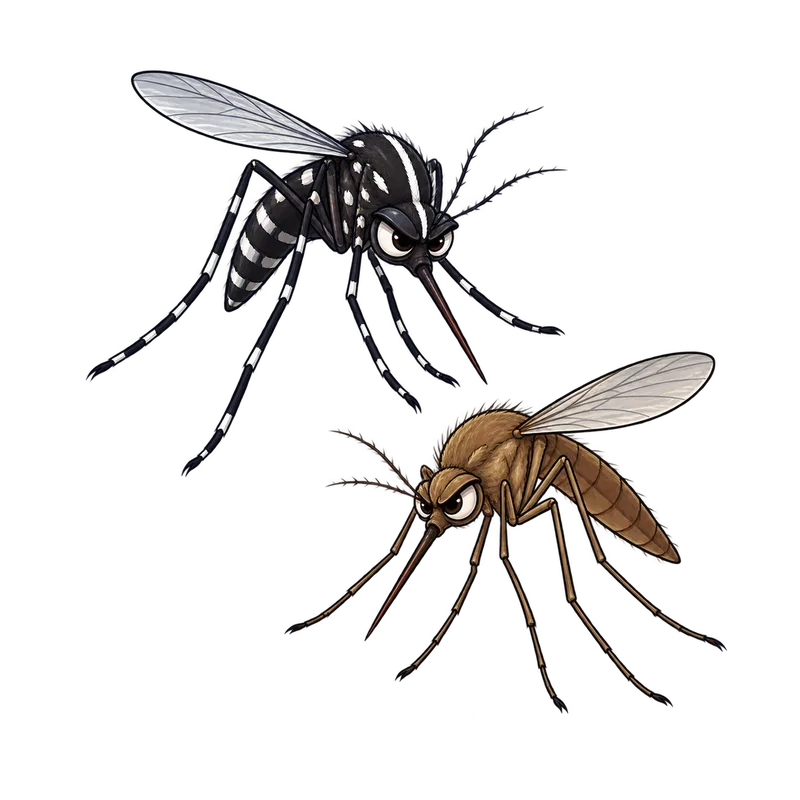
Finding mosquito larvae in a body of water confirms that the specific receptacle is an active developmental site, but it does not prove it is the only breeding site on or near the property. Female mosquitoes often practice skip oviposition, spreading their eggs across multiple small water sources scattered over several yards.
What is actually going on
You walk out to the back patio on a humid Tuesday evening, spot a neglected plastic bucket half-full of rainwater, and notice dozens of tiny, hair-thin creatures flipping and wriggling near the surface. You instantly know what you are looking at. Mosquito larvae. Naturally, your first thought is that you have found the enemy headquarters and that dumping this water will solve your yard's biting problem once and for all. Unfortunately, biology is rarely that tidy. Finding mosquito larvae in a body of water confirms that the specific receptacle or puddle is an active aquatic developmental site, but it does not prove it is the only breeding site on or near the property.
To understand why, it helps to look at how mosquitoes manage their real estate. Female mosquitoes rarely put all their eggs in one basket. Many container-breeding species practice skip oviposition, meaning a single female spreads her eggs across multiple small water sources scattered over several yards. That bucket you just found is merely one terminal on a much larger neighborhood transit network.
At the same time, adult mosquitoes are surprisingly mobile. Depending on the species, they can easily fly anywhere from a couple of hundred feet to a couple of miles in search of a blood meal. That means the mosquitoes biting your ankles on the front porch might have grown up two streets over in a neglected municipal storm drain or an unmaintained swimming pool, rather than the birdbath or flowerpot saucer you just scrubbed out.
How to tell for sure
Before you start hunting for water sources, make sure you are actually looking at mosquito larvae and not one of the many tiny look-alike insects that populate damp residential areas. True mosquito larvae, often called wrigglers, usually hang head-down at the water surface, breathing through a little siphon tube at the tail end. If they dive down when the water ripples, you have likely found the right culprits.
However, you should usually suspect other small flies if you find wriggling creatures in unexpected places. Fungus gnat larvae live in damp houseplant potting soil, not open water. Drain fly larvae thrive inside the slimy, gelatinous buildup lining sink pipes and shower traps, rather than in clear backyard puddles. If the creatures do not have a distinct breathing siphon or are crawling through wet mud rather than swimming in standing water, you are usually dealing with a completely different pest.
You also have to reckon with the hidden egg problem. Certain container-breeding mosquitoes do not lay floating egg rafts directly on open water. Instead, they deposit individual eggs on the damp inner walls of containers just above the waterline. These eggs are tough enough to survive complete drying and can sit dormant for months or even years, waiting for the next heavy rain to submerge them and trigger a hatch. An empty, bone-dry bucket sitting behind your shed in July can still act as an active egg bank left over from the previous autumn.
What usually comes next
Once you accept that a single puddle never tells the whole story, you need a practical routine for managing the property. Getting rid of standing water is always your best defense. Walk the yard every week when the weather warms up, and empty out any water you spot. Turn empty buckets upside down, store watering cans facing down, clear out blocked gutters, and drill small drainage holes in the bottom of outdoor bins.
When you run into water you cannot easily tip out, such as a backyard birdbath, a decorative pond, or a rain barrel, you have to treat the water instead of leaving it alone. This is where biological controls shine. You can find products made with a natural soil bacterium that kills mosquito larvae without hurting birds, pets, fish, or helpful garden bugs. These treatments usually come as floating rings or dunks that slowly dissolve over a month or so.
Resist the urge to throw random household cleaners, bleach, or old motor oil into standing water. Those harsh mixtures break environmental laws, can kill your lawn, and rarely do the job safely.
When to get help
There comes a time when weekend DIY efforts just are not enough. You should call a licensed pest control professional or your local vector control district if mosquitoes keep buzzing around in high numbers even after you have cleared out every visible puddle.
Pros are also essential when breeding sites are large, hard to reach, or genuinely unsafe, like flooded crawlspaces, broken underground pipes, or neglected swimming pools on empty lots nearby. When public health officials issue warnings about mosquito-borne illnesses in your region, local agencies often step in with neighborhood-wide treatments that call for heavy-duty gear and official permits.
Always remember that safety comes first with any pest product. If someone in your house accidentally gets exposed to a chemical, call poison control right away. And if mosquito bites trigger severe allergic reactions or warning signs like a high fever, a pounding headache, or confusion, forget about pest control for a moment and see a doctor right away.